
Luciano Rigolini
Swiss Grand Prix Design 24 Luciano Rigonlini
Luciano Rigolini
Probing the image
by Marco Franciolli
encompassing photography, the creation of artist’s books and the production of auteur documentary films. The various modes of expression are joined by a common thread, intertwining and mutually enriching each other on an original metaphysical journey aimed at investigating the status of the contemporary image and exploring the relationship between image and reality. The significance of his intense artistic career, now spanning more than 30 years, is attested by numerous national and international awards and prizes in the fields of photography and film.
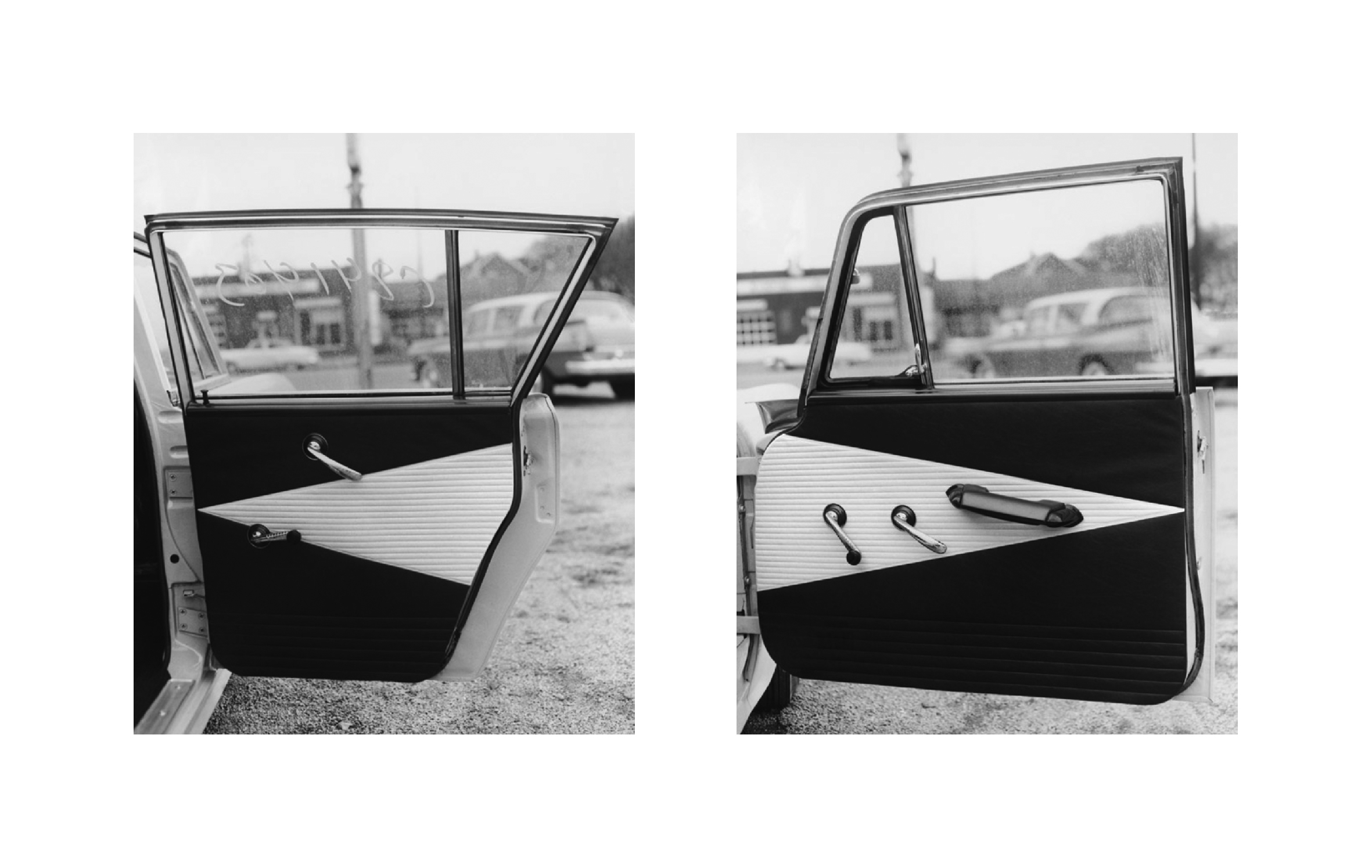
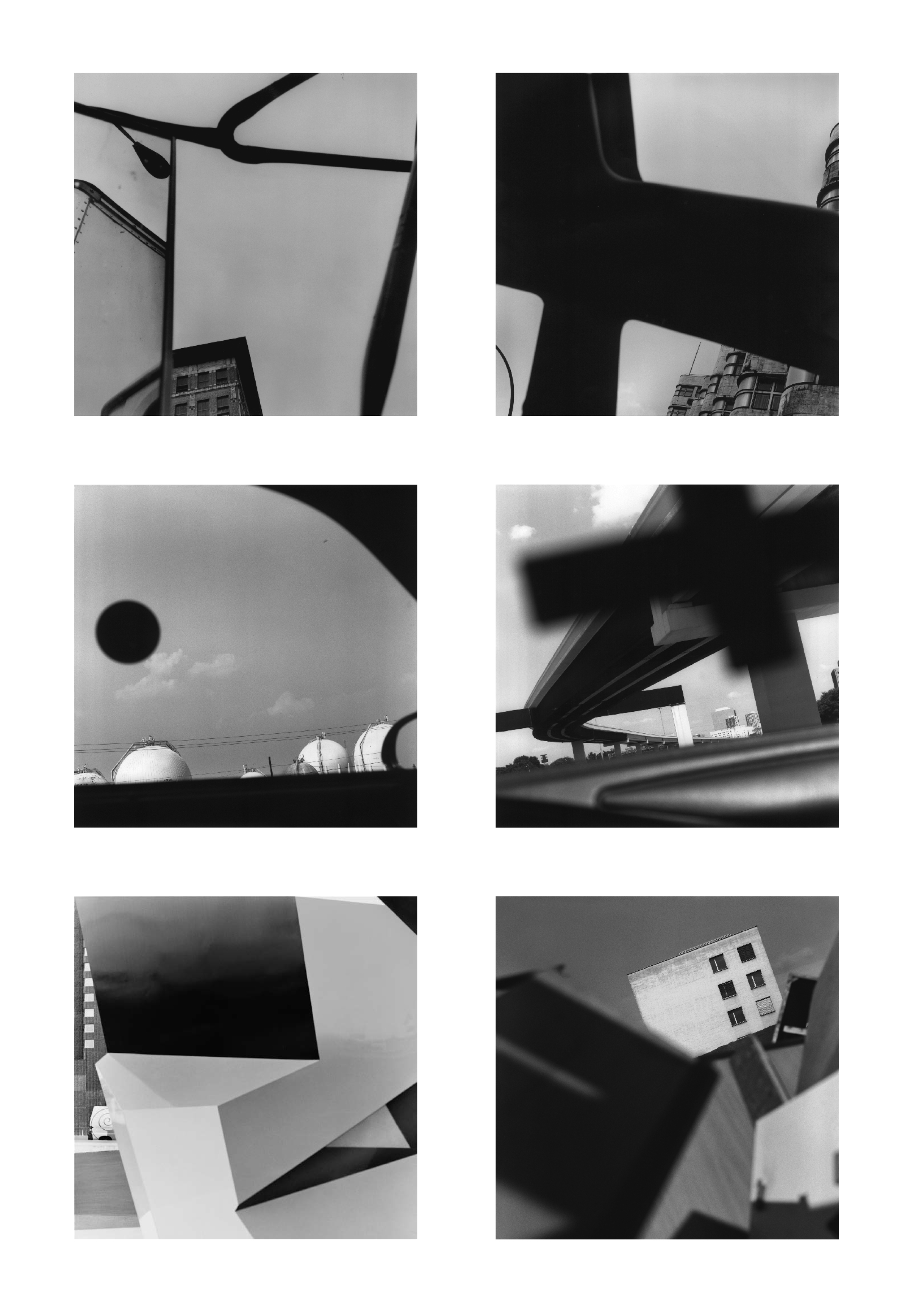
Rigolini made his debut as a photographer in 1990 with a cycle entitled Paesaggi urbani (urban landscapes): large-format black-and-white pictures portraying urban space from unusual viewpoints that tend to disrupt the traditional perspectival view in favour of a geometrical composition recalling the stylistic features of constructivist collage. In these images, the composition is derived solely from the choice of viewpoint, without any manipulation of the negative or during the printing stage. The Paesaggi urbani series continued until 2002, but during the same time Rigolini embarked on a creative path that led him to gradually give up the physical act of taking photographs, preferring instead to retrieve images by anonymous photographers. This allowed him to draw on an inexhaustible iconographic reservoir, appropriating images made by others with various intentions and purposes in order to rework them according to his own aesthetic and conceptual agenda, transforming them into his own works. The starting point for this new creative direction was a collection of photographs collected by Rigolini over a ten-year period and assembled to form his own work entitled What You See, presented at an exhibition at the Fotostiftung Schweiz in Winterthur in 2008. He also produced a book with the same title, the first in a series of what are actually stand-alone works. Indeed, alongside his photographic cycles, Rigolini regularly produces artist’s books that confirm the strongly conceptual nature of his entire artistic output; the choice of images, sequence and graphic composition establish an unprecedented and autonomous narrative that transcends the original figurative value. The compulsive urge to search for and collect photographs from archives or online reveals a key feature of his aesthetic language: an obsession with images. His attention was caught in particular by photographs from archives of the mechanical and automotive industry.
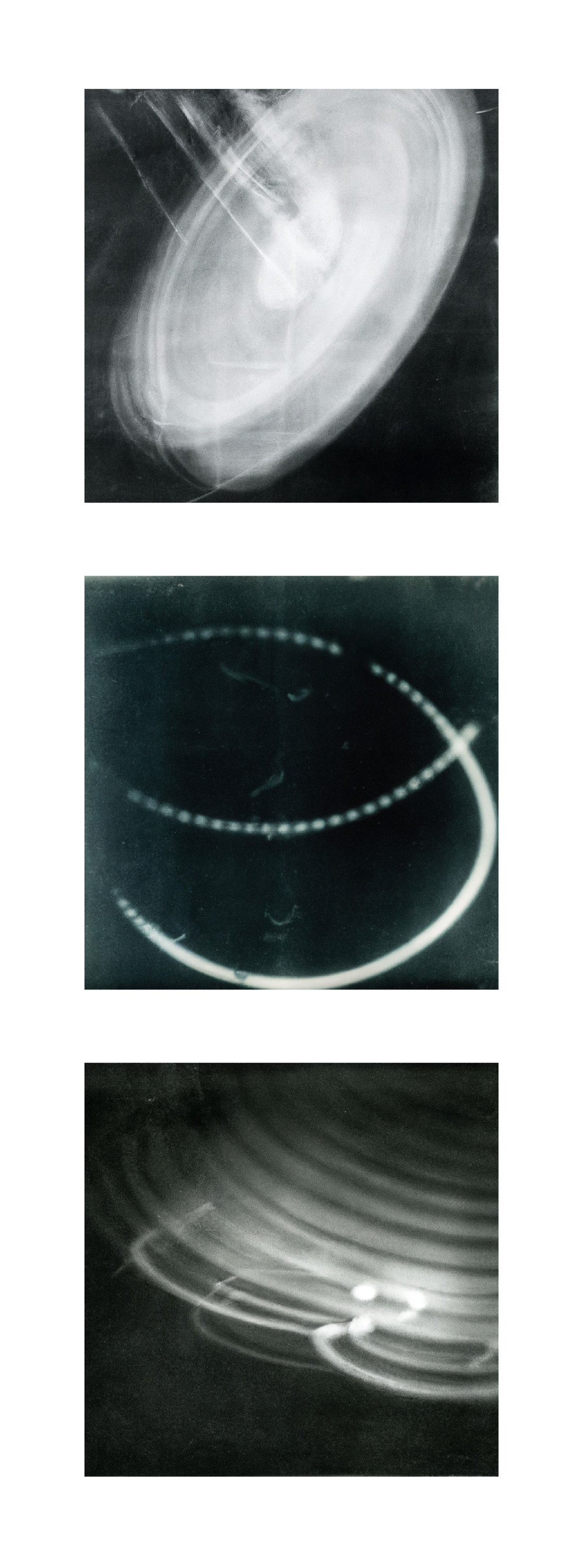
Rigolini’s 20 years of experience – commencing in 1995 – as a producer of auteur documentary films for ARTE, the Paris-based Franco-German cultural television channel, undoubtedly contributed to broadening and further enriching his personal exploration of the status of the image. The La Lucarne programme, which he created and managed, offered a space that provided extraordinary freedom for auteur, experimental and independent films. The ideal that guided Rigolini’s choices over his years at ARTE was to bring art into the medium of television, and it was with this intention that he established fruitful partnerships with some of the most influential and original artists and directors on the international film scene. In the sphere of his documentary work Rigolini has also had the opportunity to engage with the fundamental questions relating to the ambiguous relationship that the image has with reality, and a clear reflection of these observations can be glimpsed in the evolution of his photographic production and in his books. A good example is the series dedicated to photographs of the moon taken from the NASA archive of the Apollo 15 and Apollo 16 missions. Rigolini innovatively combines his passion for history of art and photography with digital printing techniques, creating new images from scientific photographs without any artistic intentions, ambiguous works poised between the pictorial and the photographic. The artist focuses his attention on the photographic image’s property of activating unusual reading paths, and in this sense it comes as no surprise to learn of his interest in photographs of UFOs, flying objects whose image is made plausible solely by doubt. He transposes prints of analogue photographs, taken from a ufology archive, onto a digital medium before printing them in a large format that alters the very nature of the image, creating a mise en abyme of the subject, portrayed in the book Inexplicata Volantes, released in 2022 by the Japanese publisher Akio Nagasawa.
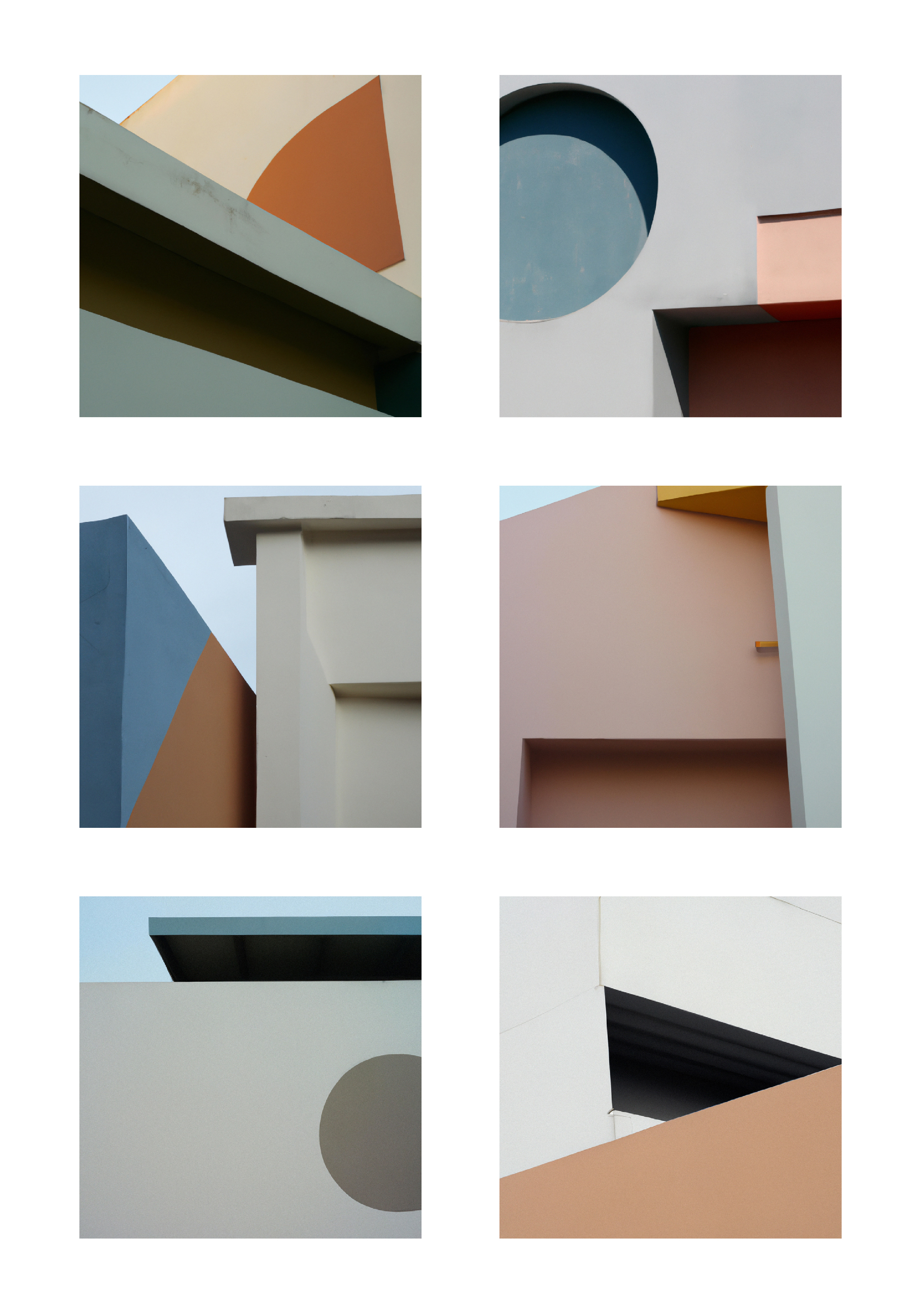
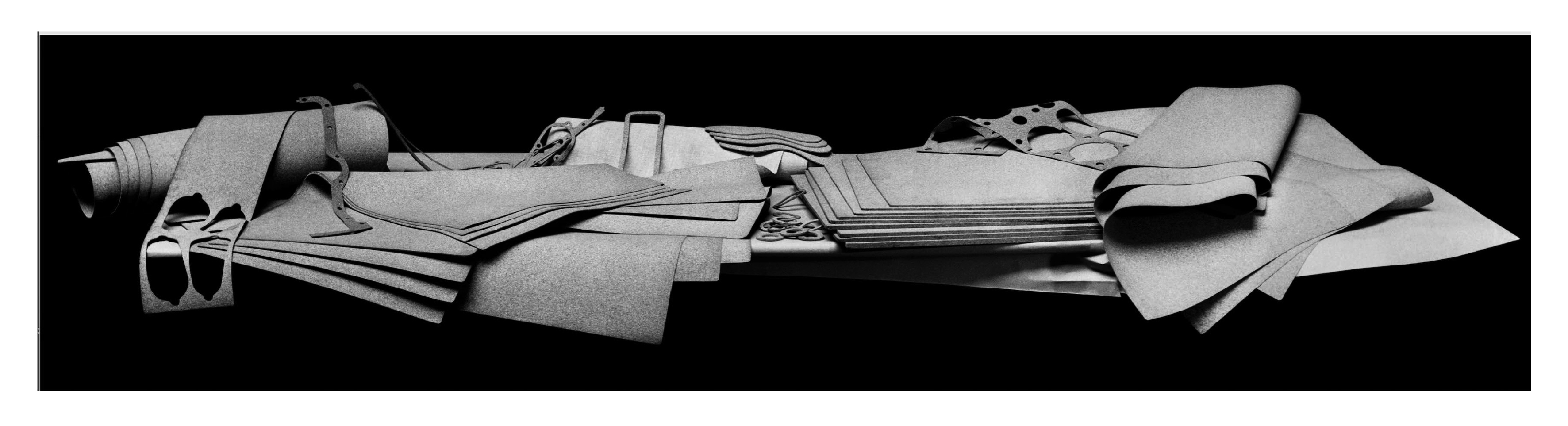
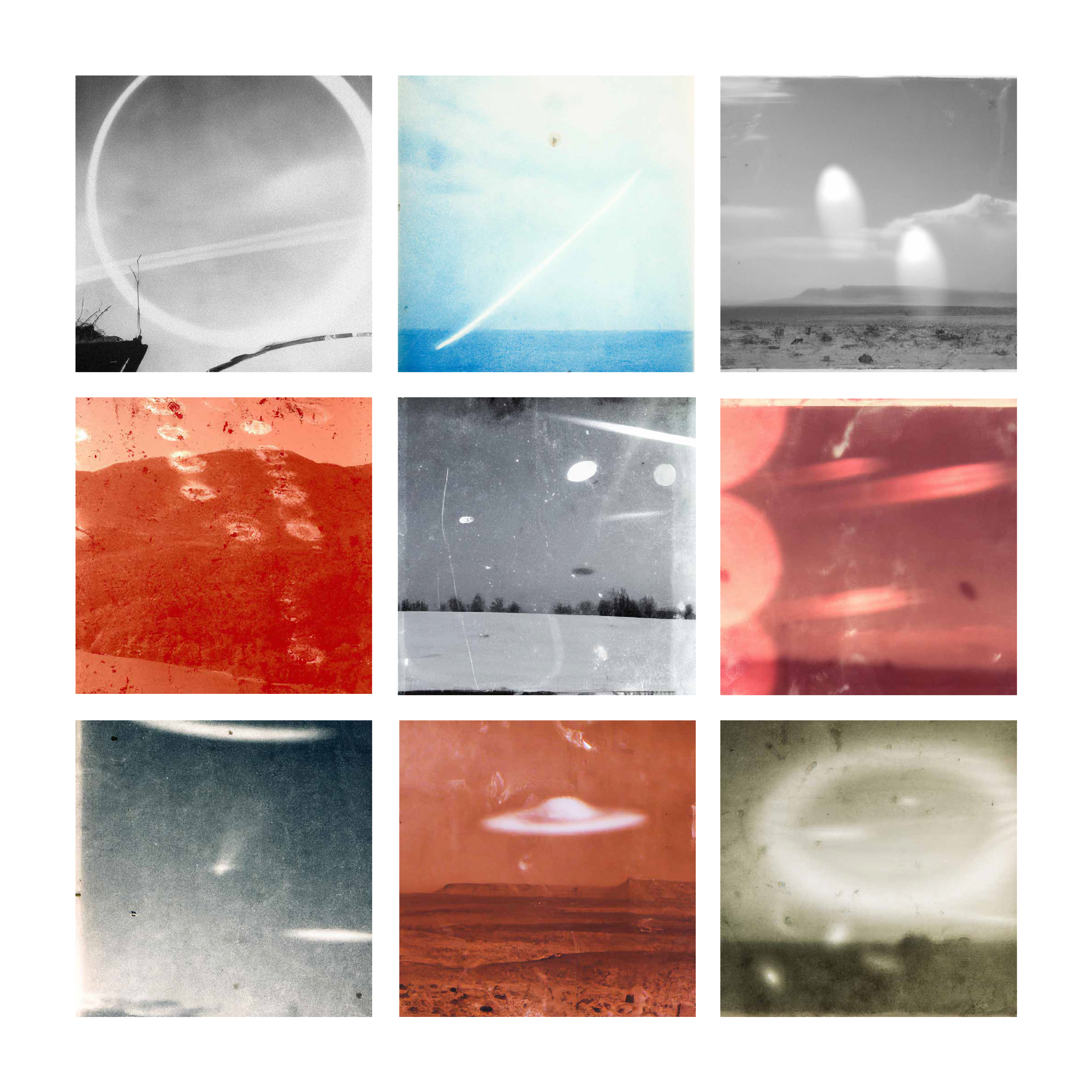
Rigolini’s most recent phase marks the beginning of a new creative journey with images generated using AI algorithms. After having given up taking photographs, Rigolini now also avoids using photographic images taken by anonymous people in favour of icons produced from very detailed instructions that the artist gives to artificial intelligence. The increasingly blurred boundary between the photographic and the pictorial in Rigolini’s works becomes even hazier in a series of images resembling photographs of abandoned industrial architecture. In reality, the virtual processing of shapes, colours and structures enables the artist to unequivocally state that the photographic image is only ever a simulacrum of reality.
Marco Franciolli has been curating exhibitions and publications on modern and contemporary art, photography and architecture since 1989. He was director-conservator of the Museo Cantonale d’Arte and first director of MASI (Museo d’arte della Svizzera italiana) LAC in Lugano. Since 2018, he has worked as an independent curator and art critic.