

Batia Suter
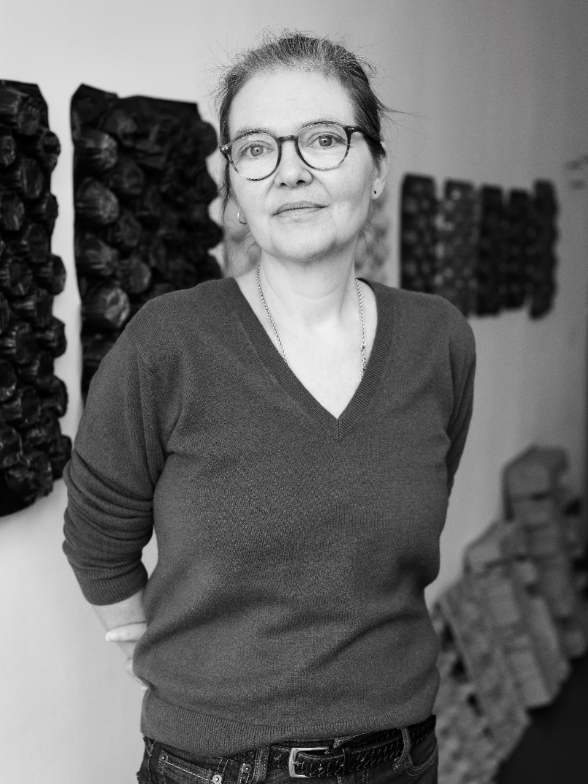
Batia Suter
Renewing printing traditions through artistic transformations
by Susanna Koeberle
Images are a central element of culture. But they are also invading our living environment with increasing frequency: we are constantly bombarded with images that we find it almost impossible to cope with. Our brain is drawn to them as if by magic, and at the same time hopelessly overwhelmed. Images may reflect the immeasurable wealth of human knowledge, but in an age of digital transformation they are acquiring a new and invariably deceptive status. The artist Batia Suter (b. 1967) is interested in the ambivalent ways in which images operate. In her multimedia and transdisciplinary artistic practice, she dives deep into the image and its iconification, while exploring the relationship between images and how humans perceive them. The image and its reception are closely intertwined in a body of work that, through both installations and books, offers us a new perspective on images and their presence. At the same time, Suter pays homage to the tradition of reproduction, the illustrated book and printing. Suter’s work draws on scientific disciplines such as semiotics, psychology and cultural theory, but she can also be inspired by popular imagery and advertising.
Books have played a crucial role in Batia Suter’s life since her childhood: she can lose herself in them for hours. While still training as a bookbinder, she realised she found their content just as captivating as the book as object and medium. She subsequently attended the foundation course at the School of Design in Zurich before continuing her studies at Arnhem in the Netherlands. After completing a Master in Fine Arts, she took her interest in book design further with a Master in Typography. She soon homed in on photography, though working largely with pre-existing images sourced from her own, continually growing personal book archive. Suter has collected vintage volumes for many years and is an avid image hunter. However, she is always looking for something very specific: no image makes it into her archive unless it “triggers” her in some way. She is attracted by things that cannot immediately be categorised or that seem distorted.
This is in stark contrast to the type of book for which she has a particular affinity: the encyclopaedia. Her passion for such works of reference is evident in the two illustrated books entitled Parallel Encyclopedia (2007 and 2016). Suter is intrigued by the relationship between image and text in encyclopaedias. While the image invariably preserves some measure of validity, the explanations accompanying it are superseded by new knowledge shortly after it is published. The artist sees these works as documents of their time that also convey vanishing wisdom. By modelling new sequences from the mass of images, she questions the human urge to categorise while at the same time offering an insight into the ways in which humans acquire knowledge. She contrasts the pragmatic order of the encyclopaedia with an anarchically constructed and chaotic parallel world experienced through the senses that challenges our perception and capacity for association.
Working through a vast quantity of image material in her publications and installations, she investigates the deluge of images that characterises our modern age, one consequence of which is a degree of numbness and immunity to the image and its content. Through serial repetition, she guides us through the randomness of the floods of imagery and algorithms we consume daily. At the same time, her montages enable us to create new connections and analogies, and discover images between images. Within the acutely observed framework that Suter establishes in her work, pictorial motifs as such play an important role. Two strands are in evidence here.
On the one hand, her works explore the past, neglected and suppressed: the flipside of our perception and its influences on how we understand images. She encountered Sigmund Freud’s theory of the unconscious and C.G.Jung’s archetypes at an early stage. Yet she has never been interested in incorporating such teachings directly into her art, let alone quoting them. Nevertheless, she very consciously explores the theme of the uncanny – in the Freudian sense – in her often site-specific photographic installations, which are a response to the surroundings in which they are displayed. Suter is interested in what architecture does with people and images: when it seems threatening, and when inviting. In her large-format installations, she creates spaces that take our eye on a journey.
At the same time, her attention turns to the various manifestations of archetypes, icons and everyday phenomena: as it were, the universal basis of culture. These may be well-known buildings, works of art or other artefacts. Suter zooms in on both the collective stock of our cultural memory and the fundamental structure of an image. Defying the modern-day imperative of digital transparency and the insistence on oversharpened imagery, she examines their opacity, their unrecognised shades and nuances. In the process, she also reveals the invisible principles of natural growth that things, plants, animals and human beings all share. For Suter, these patterns are not just decoration: they are also encrypted information. In her work, she illustrates that – voluntarily or involuntarily – human beings are interpreters of signs; she makes the linguistic nature of our perception visible. But for Batia Suter, the image is not simply evidence or documentation of reality: it reflects the value and status of the image construction itself.
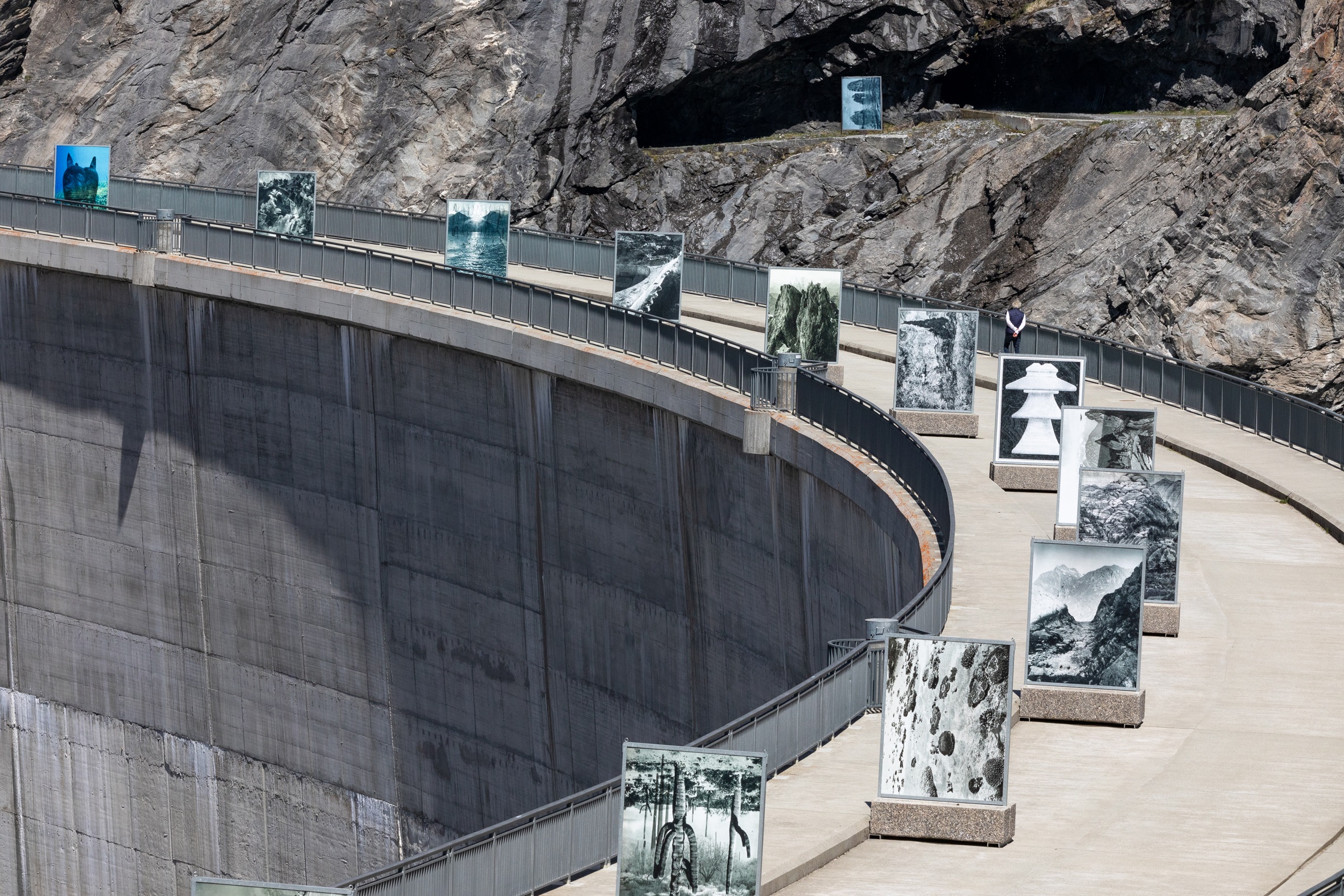
Mont-Voisin, 2019
© Studio Bonnardot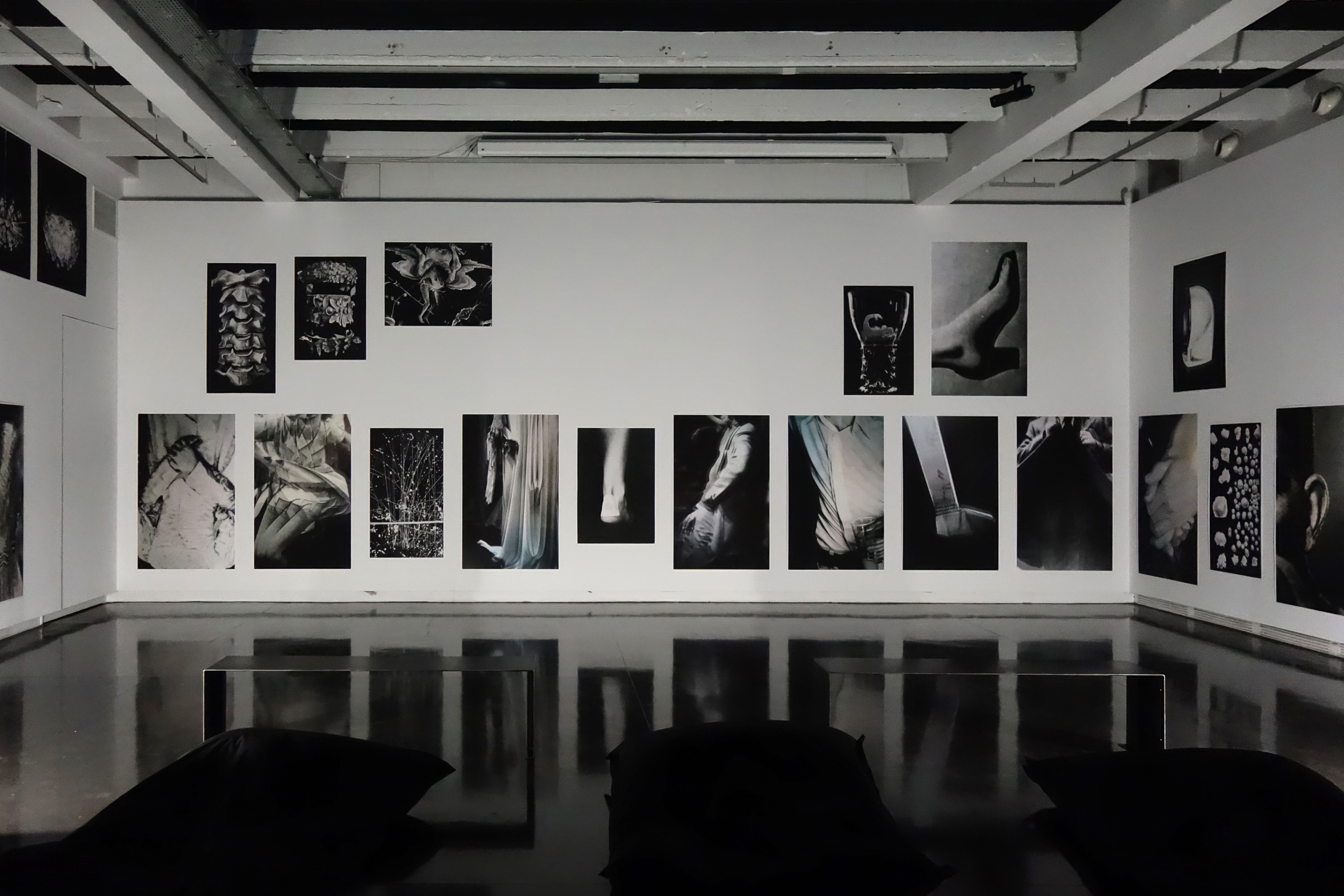
Radial Grammar, 2018
© Batia Suter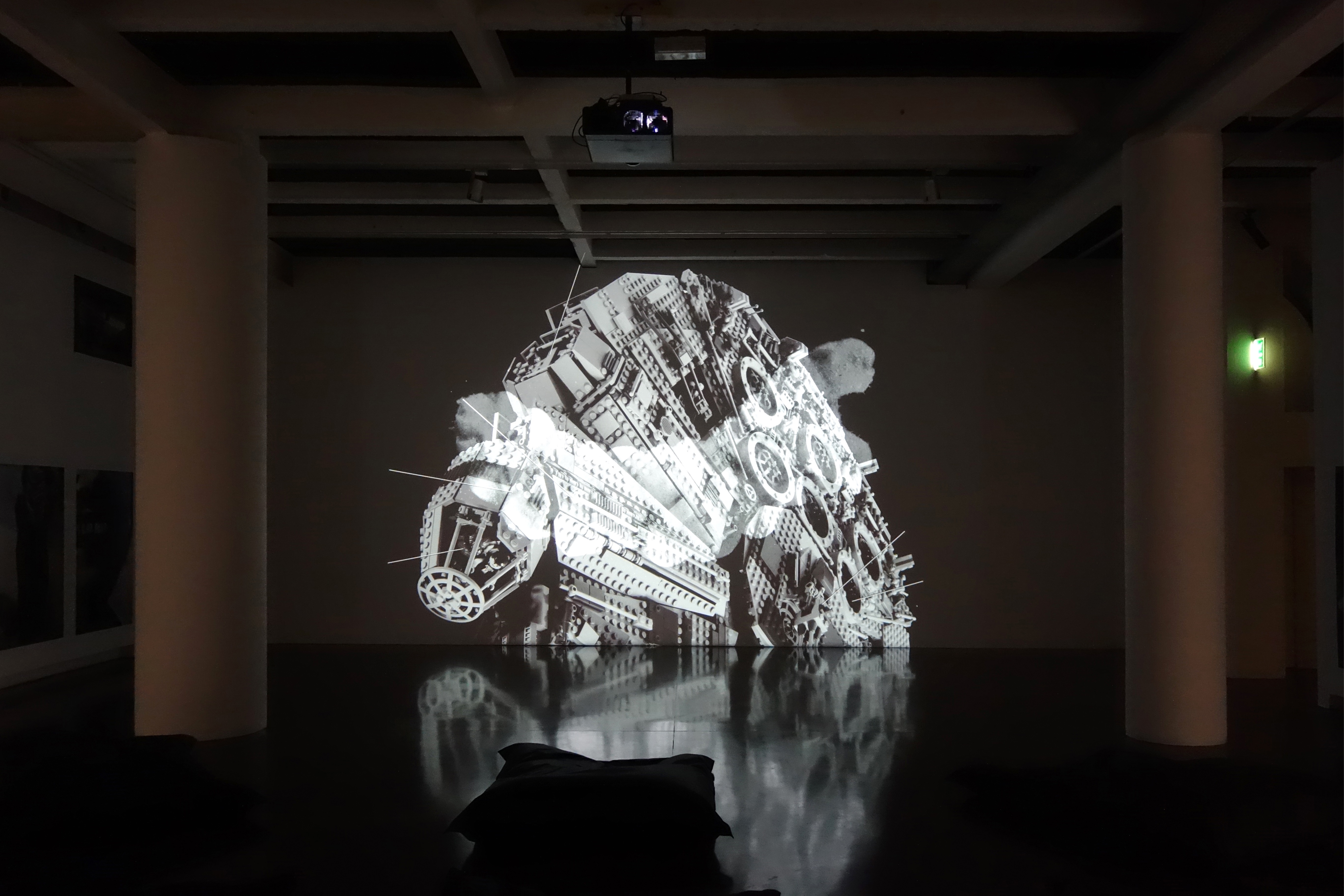
Radial Grammar, 2018
© Batia Suter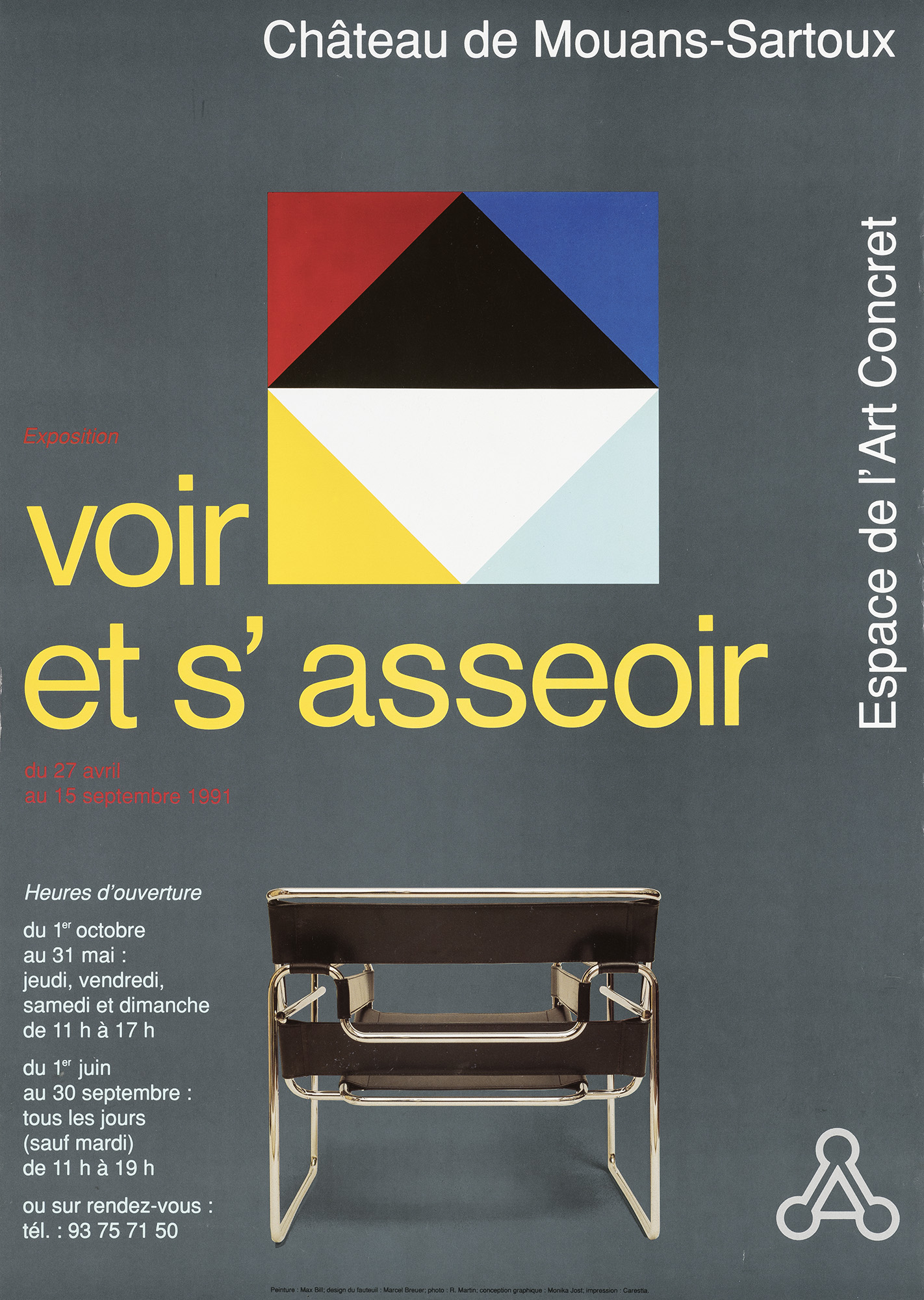
Anna Monika Jost, Voir et s’asseoir – Espace de l’Art Concret, Châteaux de Mouans-Sartoux, Plakat, 1991, Offset, Museum für Gestaltung Zürich, Plakatsammlung
© Foto: Ivan Šuta ZHdK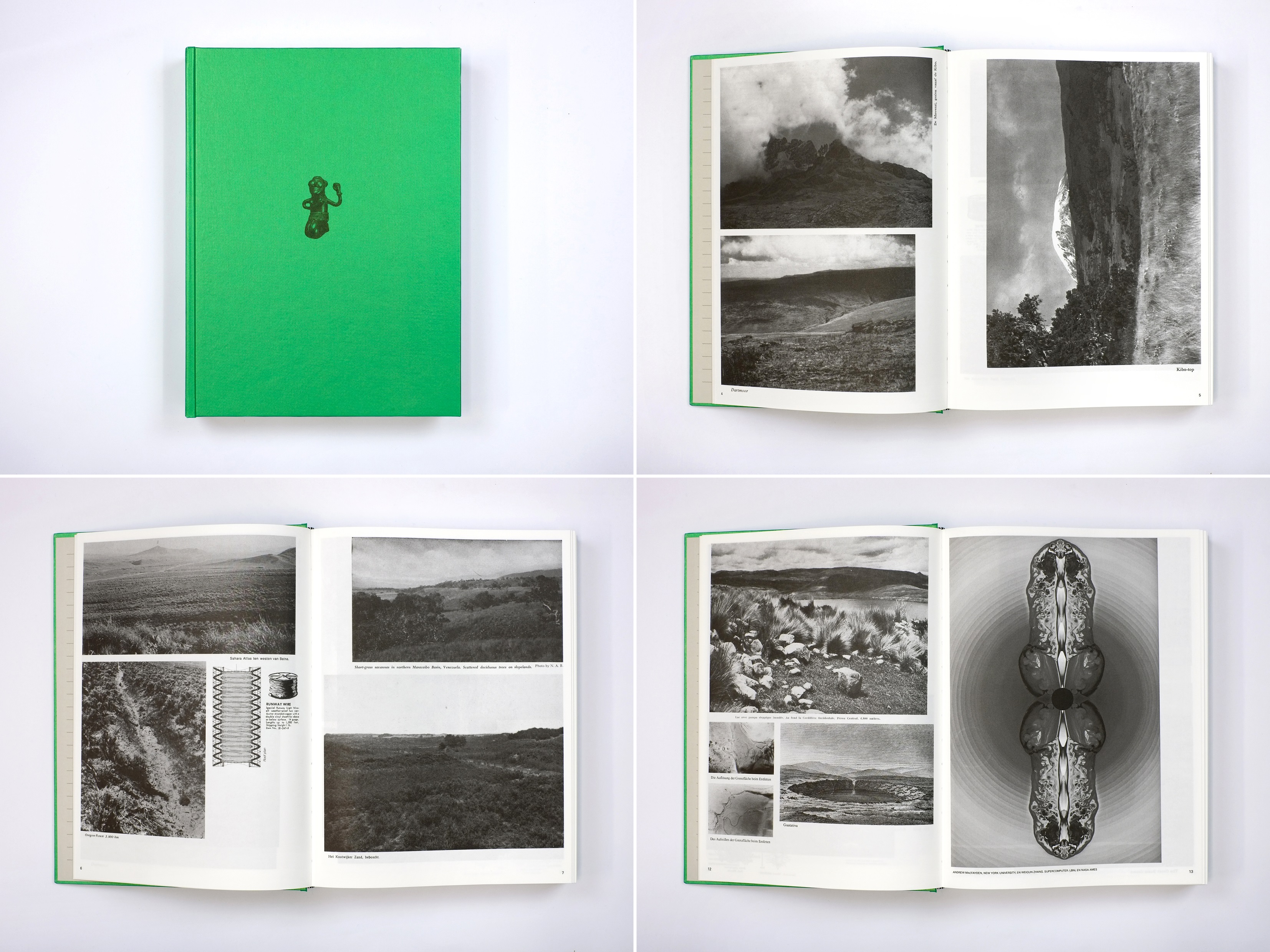
Parallel Encyclopedia #2, 2016
© Roma Publications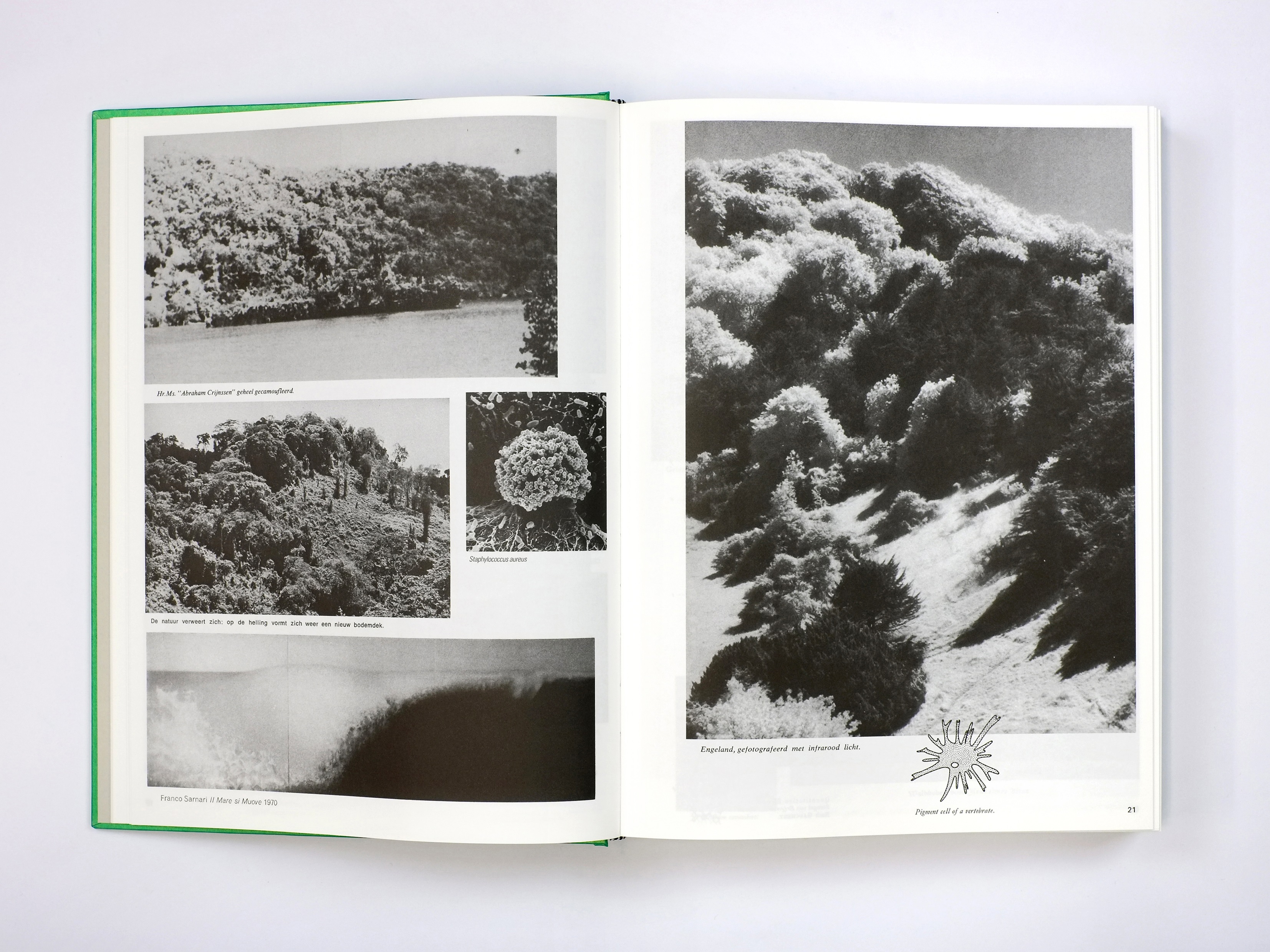
Parallel Encyclopedia #2, 2016
© Roma Publications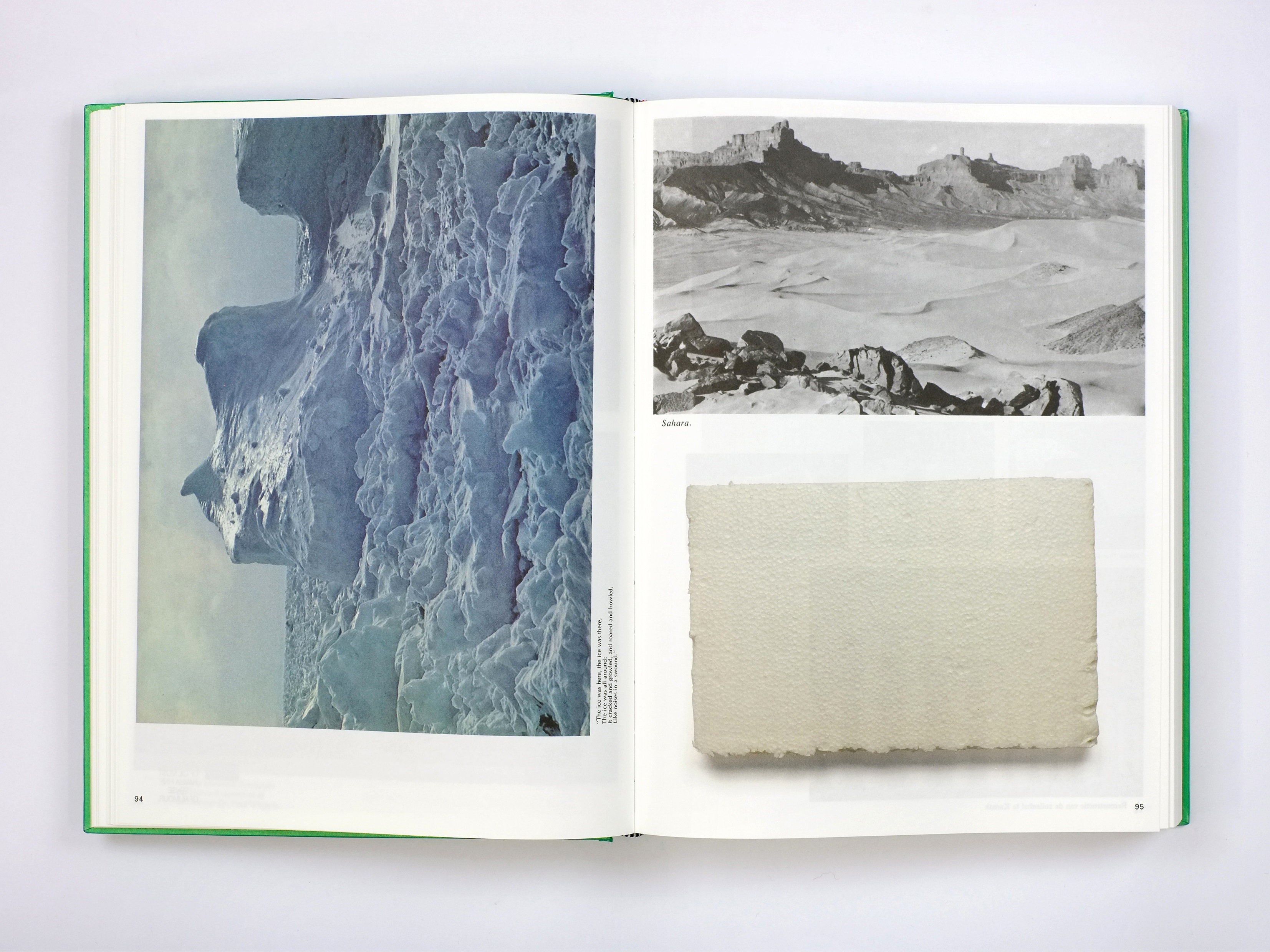
Parallel Encyclopedia #2, 2016
© Roma Publications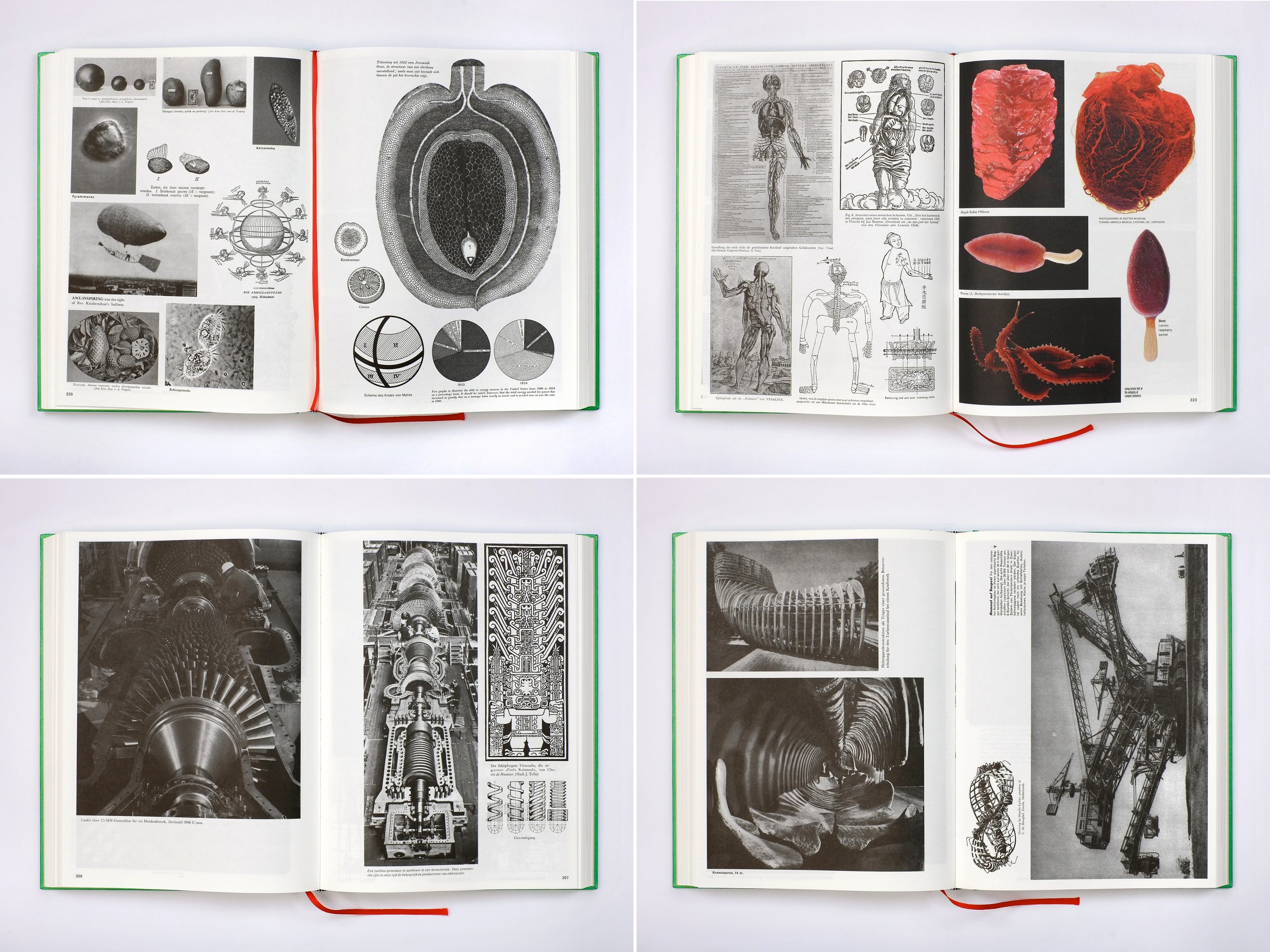
Parallel Encyclopedia #2, 2016
© Roma Publications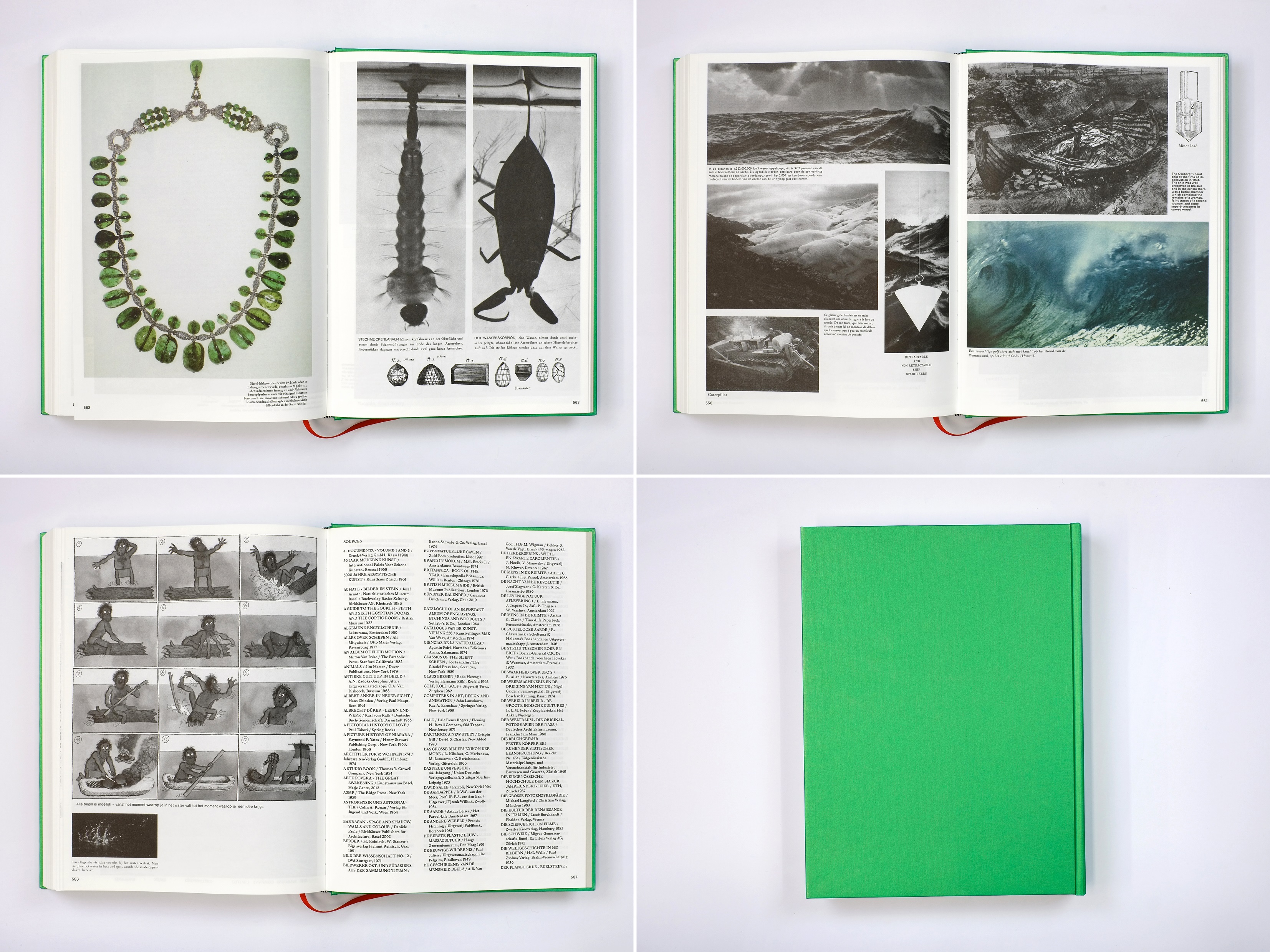
Parallel Encyclopedia #2, 2016
© Roma PublicationsZum anderen richtet die Künstlerin ihr Augenmerk auf die diversen Erscheinungsformen von Urbildern, Ikonen und Alltagsphänomenen, auf die universelle Basis von Kultur sozusagen. Das können bekannte Bauwerke, Kunstwerke oder andere Artefakte sein. Suter zoomt sowohl in den kollektiven Fundus unseres kulturellen Gedächtnisses als auch in die Grundstruktur eines Bildes. Entgegen dem heutigen Imperativ der digitalen Transparenz oder dem Diktat der Überschärfe von Bildern widmet sich die Künstlerin ihrer Opazität, ihren unerkannten Schattierungen und Zwischentönen. Sie offenbart damit auch die unsichtbaren natürlichen Wachstumsprinzipien, die Dinge, Pflanzen, Tiere und Menschen gemeinsam haben. Diese Muster sind für Suter mehr als nur Dekoration, sondern chiffrierte Informationen. Mit ihrem Werk verdeutlicht Suter, dass der Mensch – freiwillig oder unfreiwillig – ein Zeichenleser ist; sie macht die sprachliche Natur unserer Wahrnehmung sichtbar. Mehr als das: Das Bild ist in ihrer Arbeit nicht bloss ein Beweismittel oder eine Dokumentation von Realität. Es reflektiert den Wert und den Status der Bildkonstruktion an sich.