

Anna Monika Jost
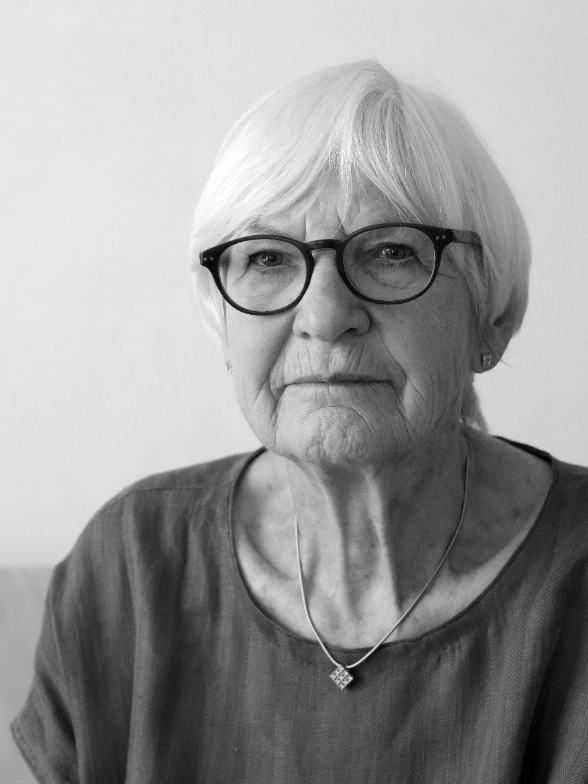
Anna Monika Jost
Zurich – Milan – Paris: a graphic journey
by Barbara Junod
The work of graphic designer Anna Monika Jost (b. 1944) is remarkable in its diversity. In a career spanning some 50 years, she has worked for a range of high-profile clients in Italy, Switzerland and France, creating vast amounts of advertising material, packaging and publications as well as exhibition stands and brand identities. These attest to her talent, flexibility and a bold deployment of colour that runs through her entire output. The use of various type styles – from modern to classic – is another feature of her work, which extends from the age of Swiss Style to the eclectic postmodern. Productive exchange with clients and creatives from different cultures has nurtured in her an openness to the possibilities of design that she shares with many colleagues who have emigrated to Milan or Paris. But what sets her career apart is the fact that she has worked in three different language cultures and maintained her success as a graphic designer every time she switched.
Anna Monika Jost’s career began in 1960 with the decision to leave her home village of Klosters in Graubünden to study at the School of Arts and Crafts in Zurich. There, in the foundation year under Karl Schmid, she learnt drawing, modelling, hand lettering, colour theory and woodworking. Disappointed by the specialist textile class which she attended afterwards, she followed Gottfried Honegger’s recommendation to train in scientific drawing at the University of Zurich’s Zoological Museum, simultaneously attending courses on hand lettering and colour theory according to Johannes Itten. Honegger’s daughter Cornelia, with whom Anna Monika Jost shared an apartment, did the same apprenticeship. For Anna Monika Jost, her acquaintance with the Honegger-Lavater family was a stroke of good fortune which opened up access to a new world and to Concrete Art.
Her training complete, Anna Monika Jost travelled in 1965 to Milan, to expand her knowledge of typography and learn Italian. She quickly found work at Olivetti, a company known for its social and cultural commitment. Working under the Swiss art director Walter Ballmer, she designed a range of advertising material and participated in the company’s trade fair appearances. On her colourful poster for the Olivetti Pavilion in Nairobi in 1966, circular typewriter keys set the pace. It is a prime example of Swiss Style: asymmetric layout, sans-serif characters and a geometric composition in full colours, borrowing from Concrete Art.
In 1967, Anna Monika Jost returned to Switzerland. She initially worked for the advertising agency Lorch in Zurich, where her creations included an award-winning poster for the Kaiser hairdressing salon in the city. In 1969, she moved to the advertising agency Jean Reiwald in Basel under art director Armin Vogt. There, she designed advertising materials for Fiat, featuring dynamic colours and forms that riff on the rhombuses of the Fiat logo and give the car maker a progressive “Swiss Touch”. In 1970, she moved to Reiwald’s Milan office, where she designed advertisements, calendars and packaging for Fiat, Motta and Baccarat along with a trophy for Fiat. Rivalry amongst staff members was intense, and Anna Monika concluded it was time to look for something new.
Finding Switzerland too restrictive and too perfect, in 1972 she packed her bags and headed off to the cultural metropolis of Paris. Via her contacts with Swiss expatriates, she found a job at the retail store chain Prisunic, where she oversaw the new identity for the shops designed by Tomás Maldonado. While not creative, the work nevertheless allowed her to travel around the country and learn French. In 1973, she was appointed head of the graphic design department at Roger Tallon’s company Design Programmes SA. There, she was responsible for the redesign of pharmaceuticals packaging for Laboratoires Goupil. Massimo Vignelli, who visited one day from New York, was thrilled by her designs and persuaded Tallon to produce them. While at Tallon, she also worked with Rudi Meyer and Peter Keller, two graphic designers from Basel, on the visual branding for French Railways SNCF. Tiring of her boss’s antics, she swapped agencies in March 1975 and later turned her back on commercial advertising.
Anna Monika Jost went freelance in 1978 with the help of her compatriot Rolf Ibach, art director at the UNESCO publishing house. He gave her a place to work in his office and commissioned her to design the international journals Museum and ICOM News. This enabled her to specialise in multilingual editorial design and led to a number of important follow-up orders. Her particular preference was for socially committed publications and scientific topics. Today, her favourites include the magazine Technè, which she designed between 1993 and 2011 for the Centre national de recherche et de restauration des musées de France (C2RMF). Each issue took a look behind the scenes, represented visually on the covers with a square window and the mirrored title. In 1990, she was given the opportunity to redesign the visual identity for the small southern French town of Mouans-Sartoux. She received this prestigious commission from the French Ministry of Culture thanks to a referral by Gottfried Honegger, who had opened the Espace de l’Art Concret in the nearby château.
Although Anna Monika Jost has worked for well-known companies and institutions throughout her career, her important contribution to the integration and further development of Swiss graphic design abroad is – unlike that of her male colleagues – known only to a small audience. Donations of her works to museums in Paris, Zurich and Basel, which have exhibited selected pieces and made them accessible via online databases, along with researchers drawing attention to her creations, have significantly enhanced the visibility of this important graphic designer. Now, with the Swiss Grand Award for Design, Anna Monika Jost finally receives the recognition she deserves.
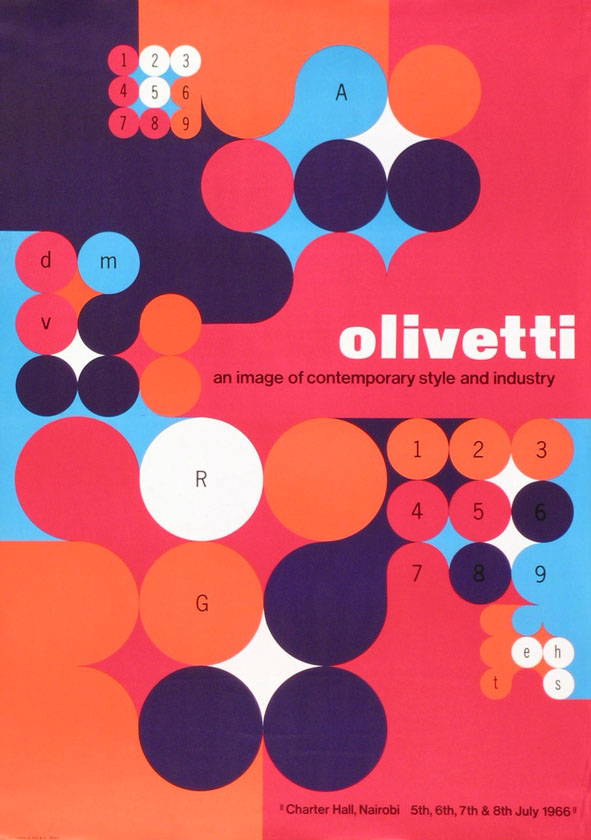
Olivetti – An Image of Contemporary Style and Industry, Plakat, Olivetti S.p.A., Ivrea, 1966, Offset, Museum für Gestaltung Zürich, Plakatsammlung
© Foto: Ivan Šuta ZHdK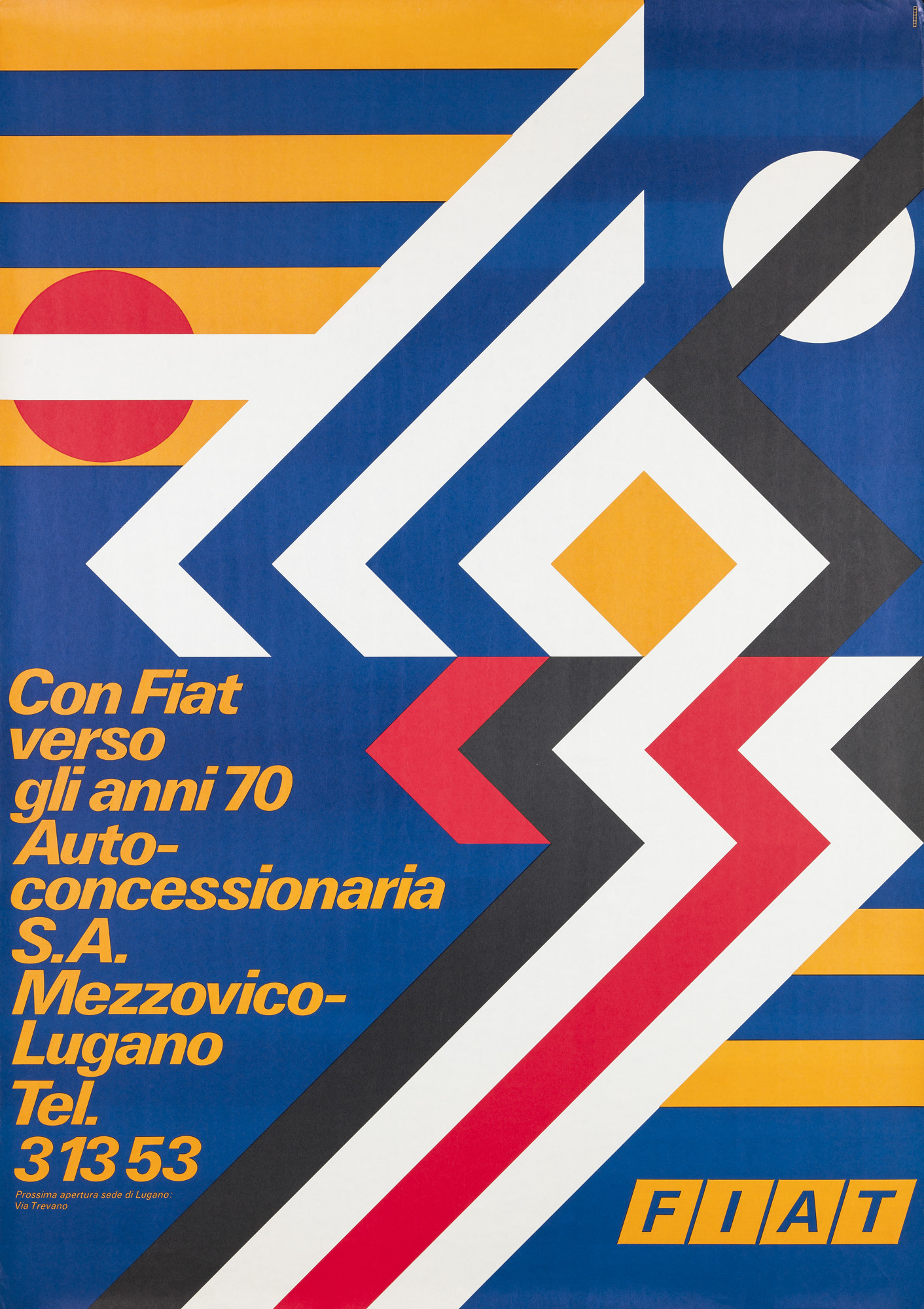
Reiwald AG Werbeagentur, Basel / Anna Monika Jost, Fiat – Con Fiat verso gli anni 70 – Autoconcessionaria S.A., Plakat, Fiat Auto Swiss S.A., Mezzovicco-Lugano, 1969, Offset, Museum für Gestaltung Zürich, Plakatsammlung
© Foto: Ivan Šuta ZHdK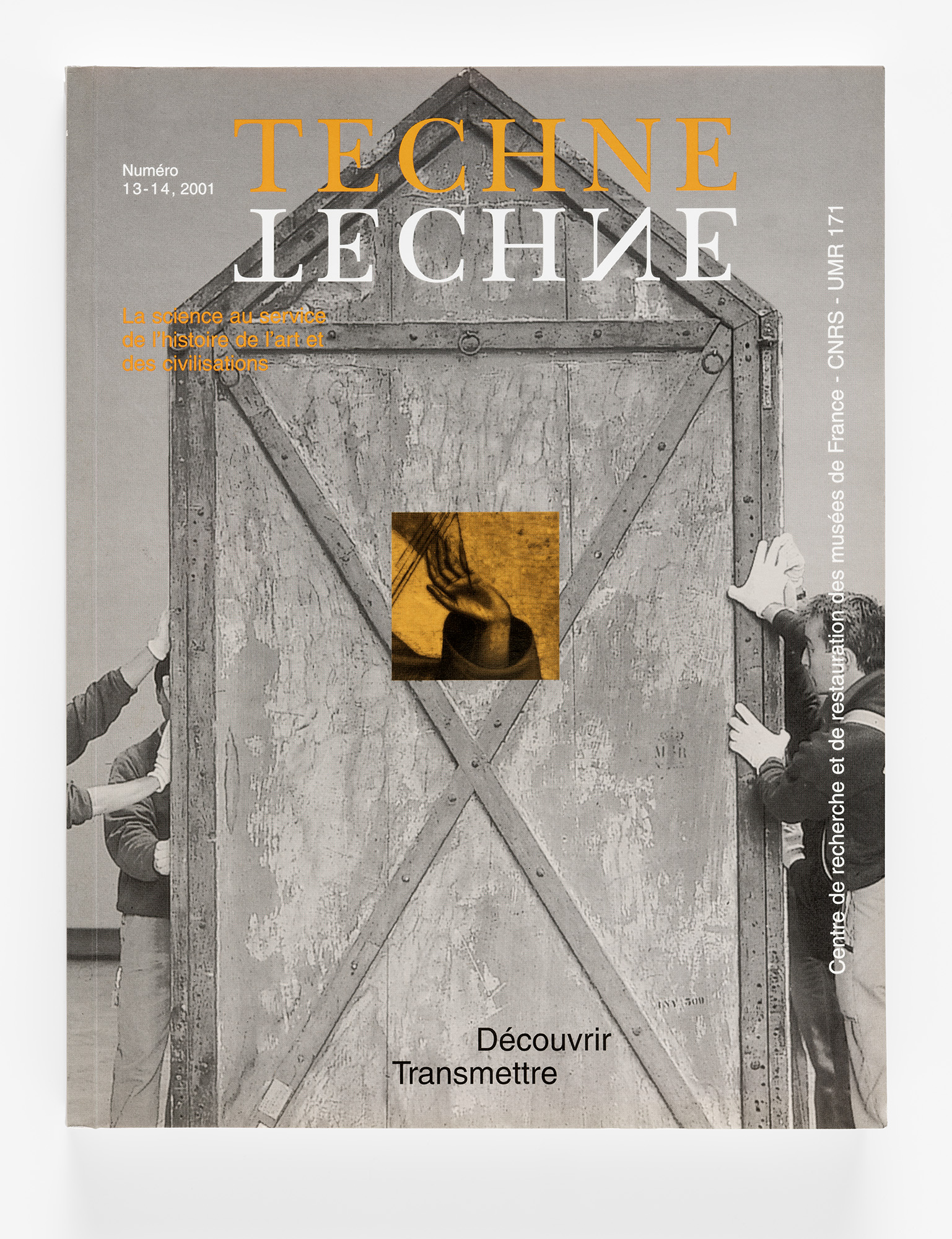
Anna Monika Jost, Technè – La science au service de l’histoire de l’art et des civilisations – Découvrir Transmettre, Zeitschrift, Nr. 13–14, Centre de recherche et de restauration des musées de France, Paris, 2001, Museum für Gestaltung Zürich, Grafiksammlung
© Foto: Umberto Romito ZHdK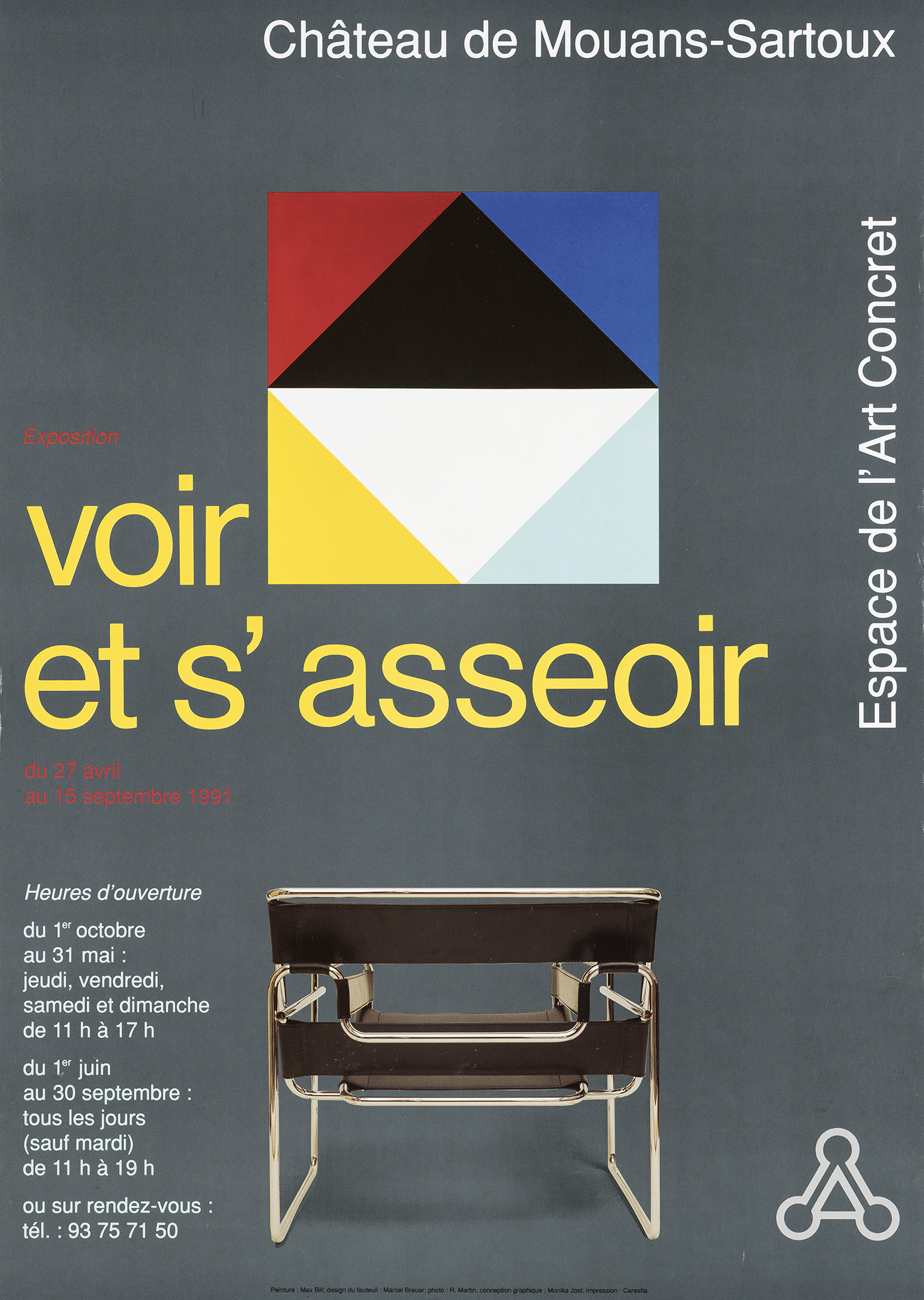
Anna Monika Jost, Voir et s’asseoir – Espace de l’Art Concret, Châteaux de Mouans-Sartoux, Plakat, 1991, Offset, Museum für Gestaltung Zürich, Plakatsammlung
© Foto: Ivan Šuta ZHdK
Reiwald Werbeagentur, Mailand/ Anna Monika Jost, Fiat 1971, Neujahrskarte, Fiat Auto S.p.A., Turin, 1970, Leporello, Museum für Gestaltung Zürich, Grafiksammlung
© Foto Umberto Romito ZHdKObschon Anna Monika Jost durchgehend für namhafte Firmen und Institutionen arbeitete, ist ihr wichtiger Beitrag zur Integration und Weiterentwicklung der Schweizer Grafik im Ausland – anders als bei ihren männlichen Kollegen – erst einem kleinen Publikum bekannt. Die Schenkung ihrer Arbeiten an Museen in Paris, Zürich und Basel, welche ausgewählte Arbeiten ausgestellt und über Online-Datenbanken zugänglich gemacht haben, aber auch Forschende, die auf die Gestalterin aufmerksam wurden, haben die Sichtbarkeit dieser bedeutenden Grafikerin markant verbessert. Mit dem Schweizer Grand Prix Design bekommt Anna Monika Jost endlich die verdiente Anerkennung.