
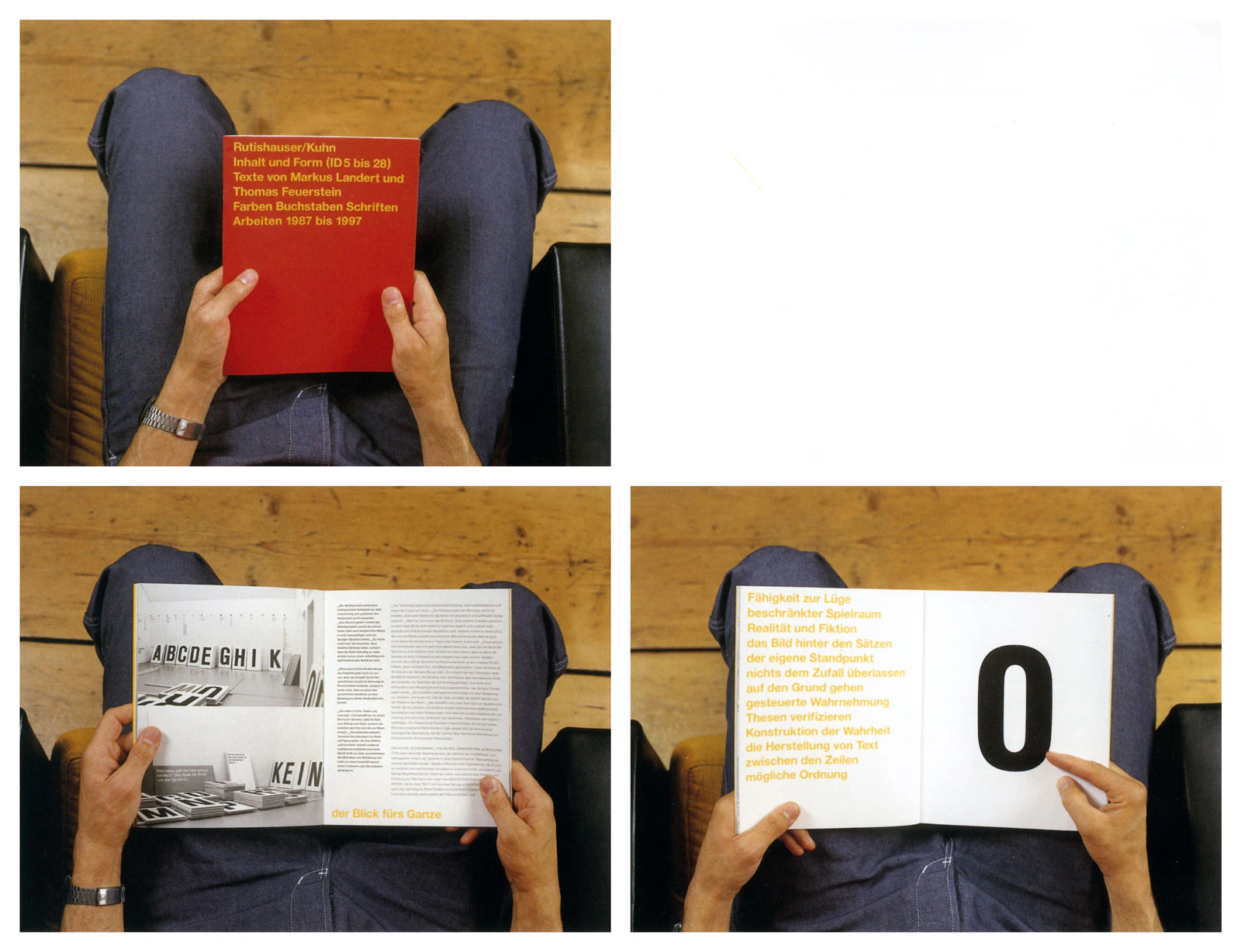
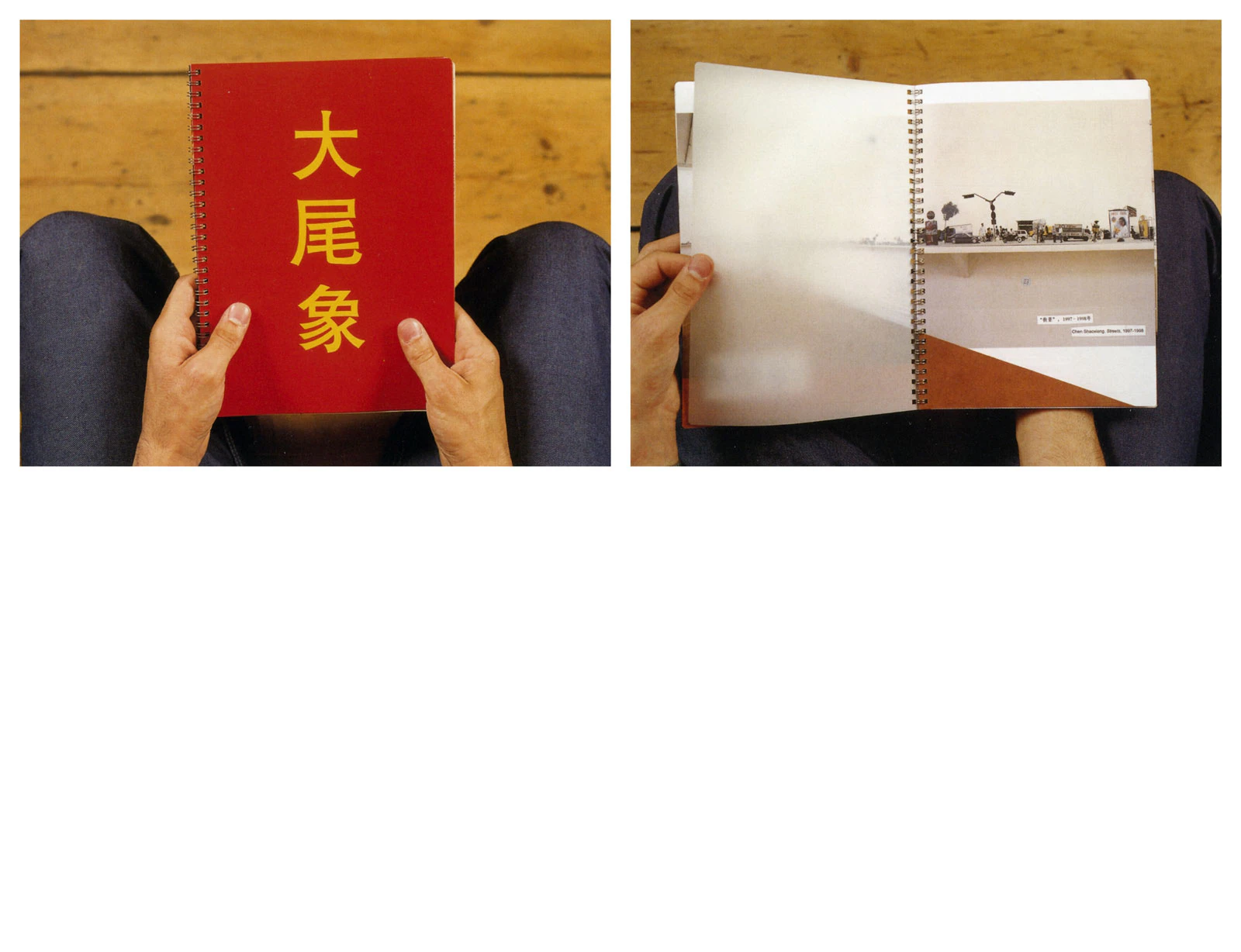
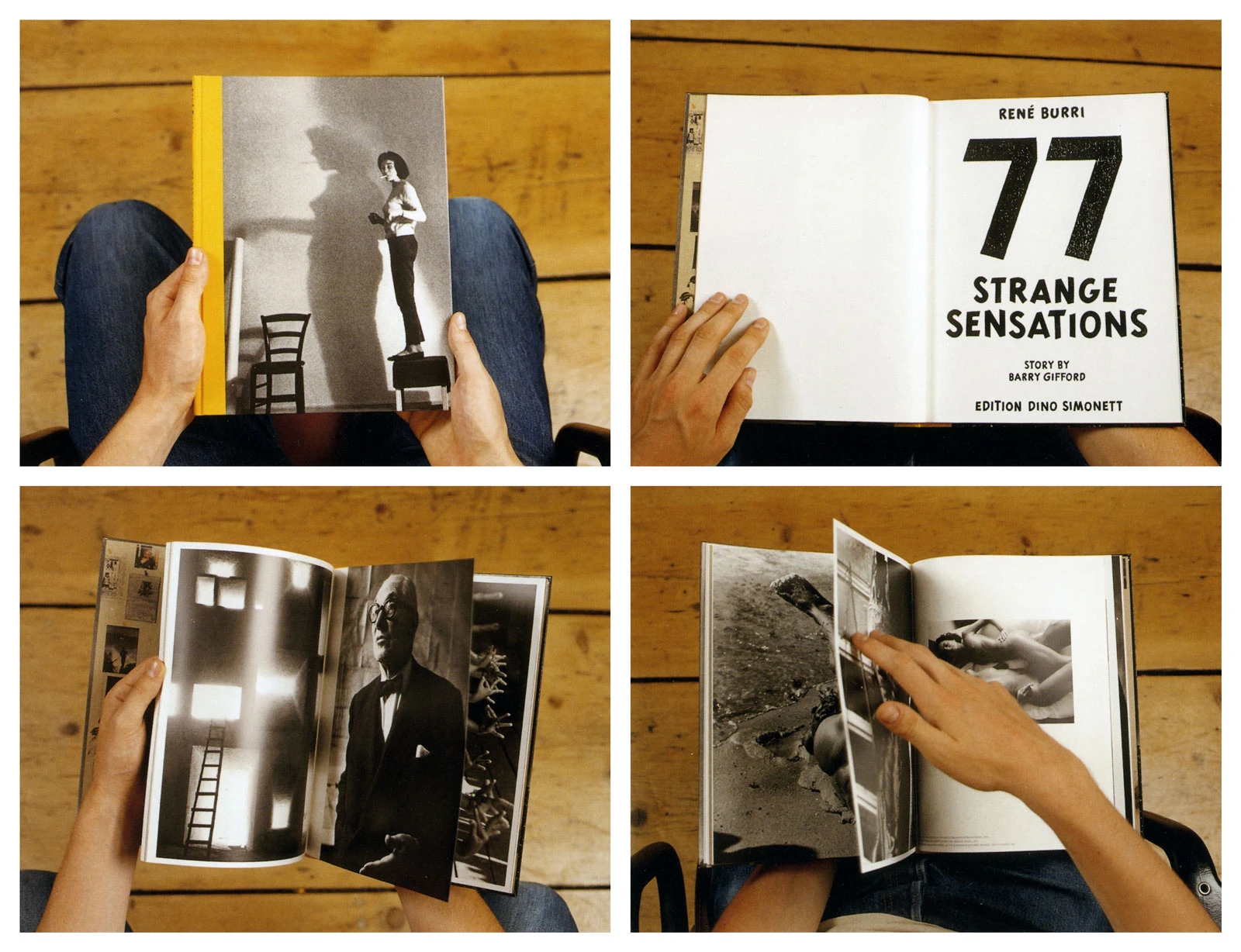
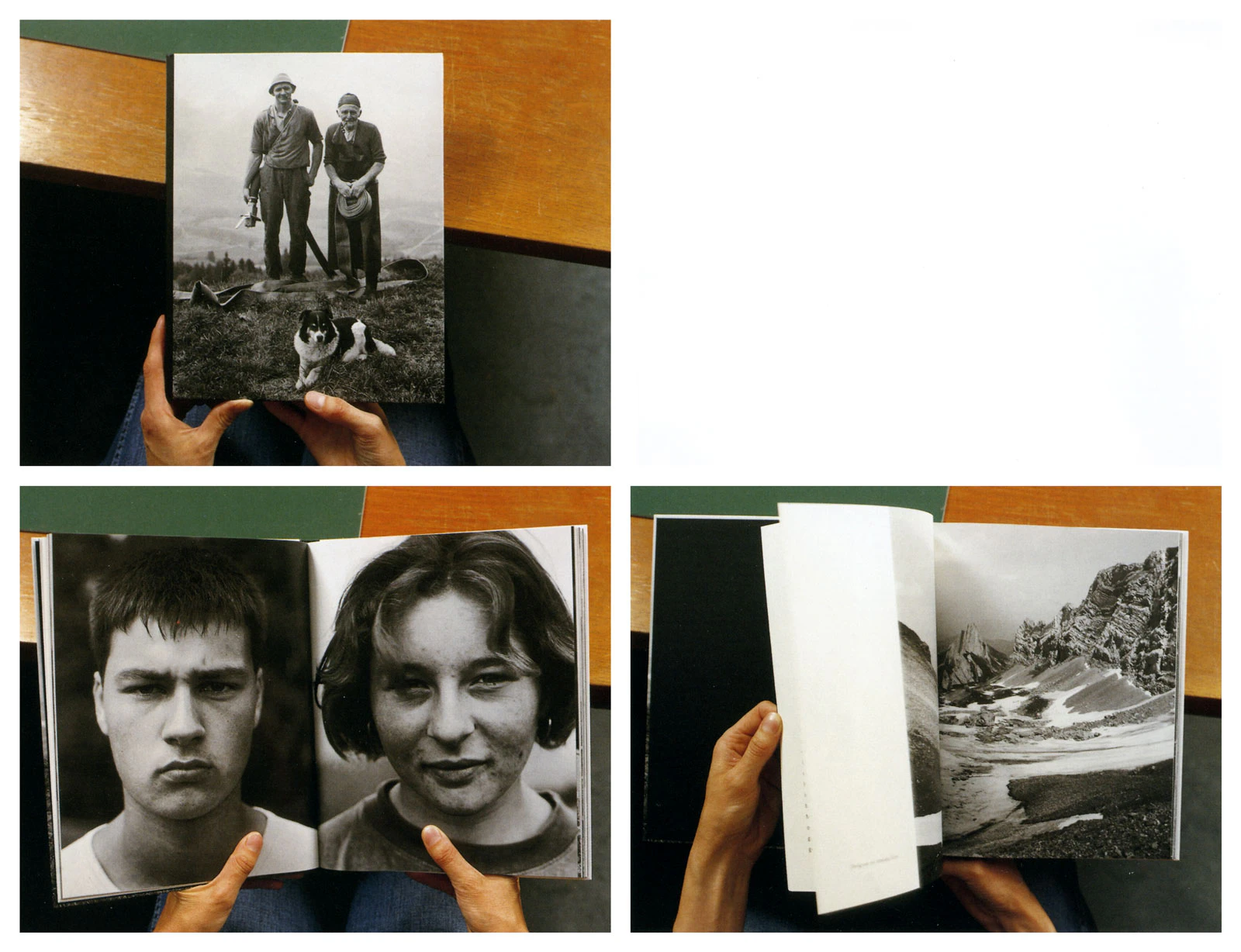
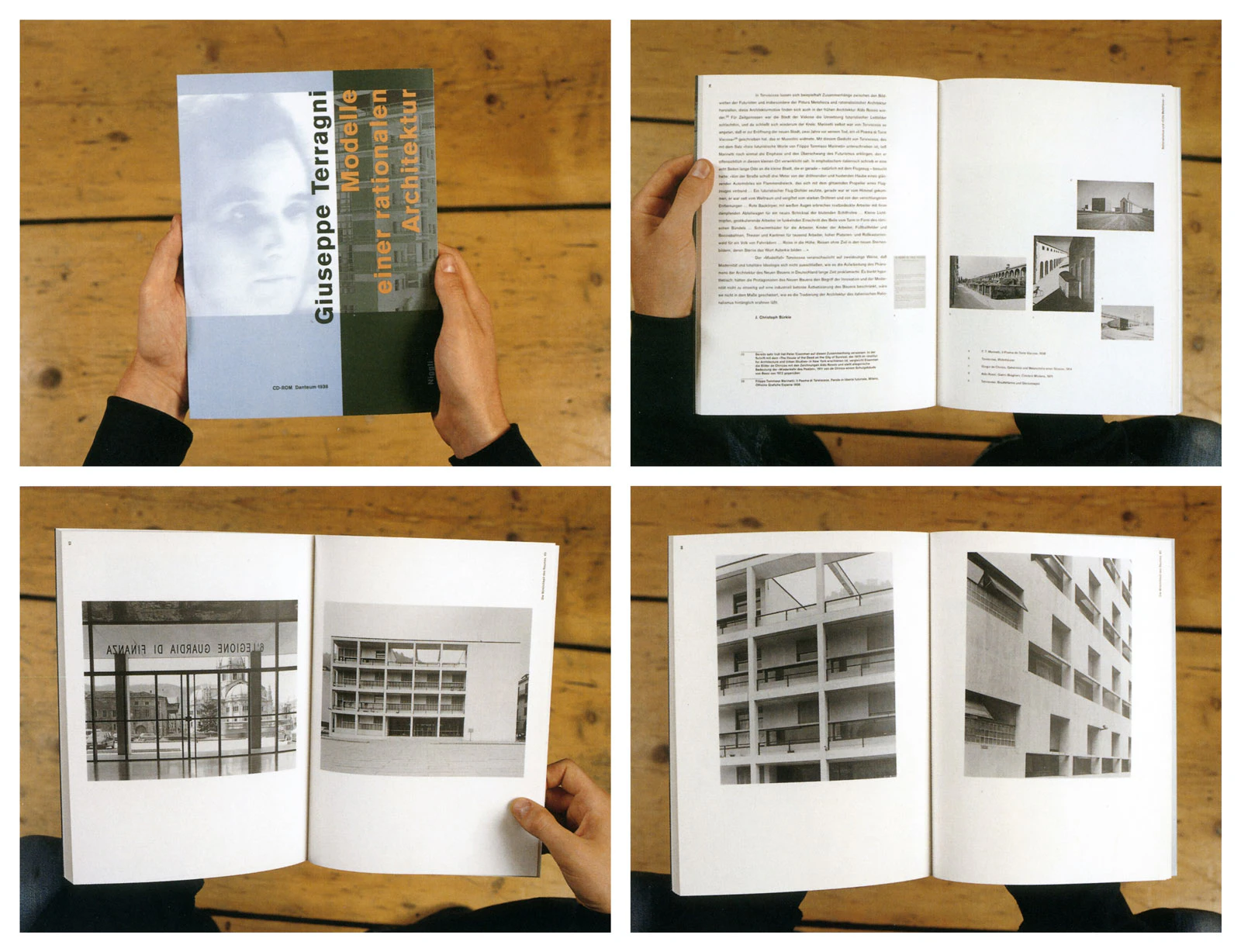
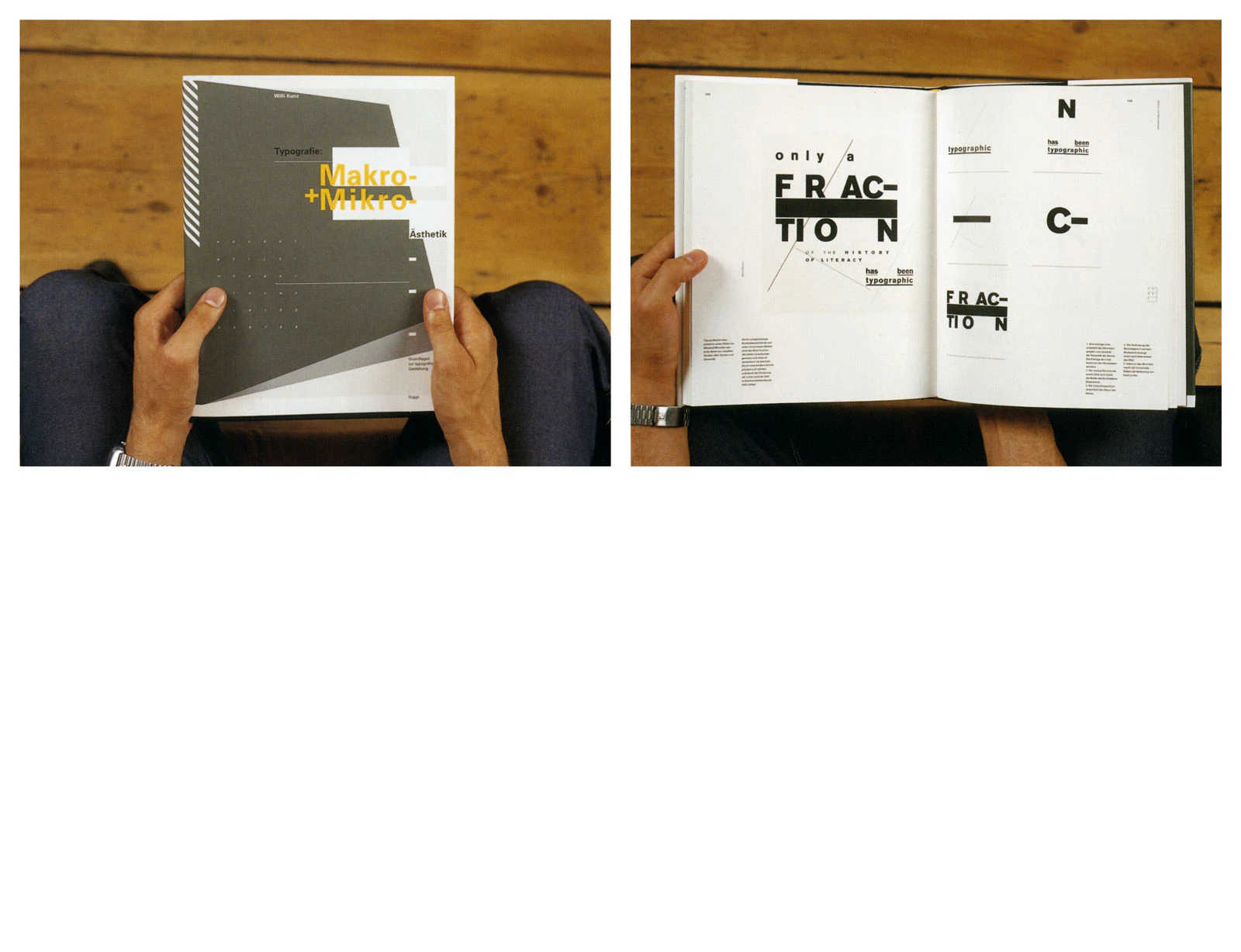
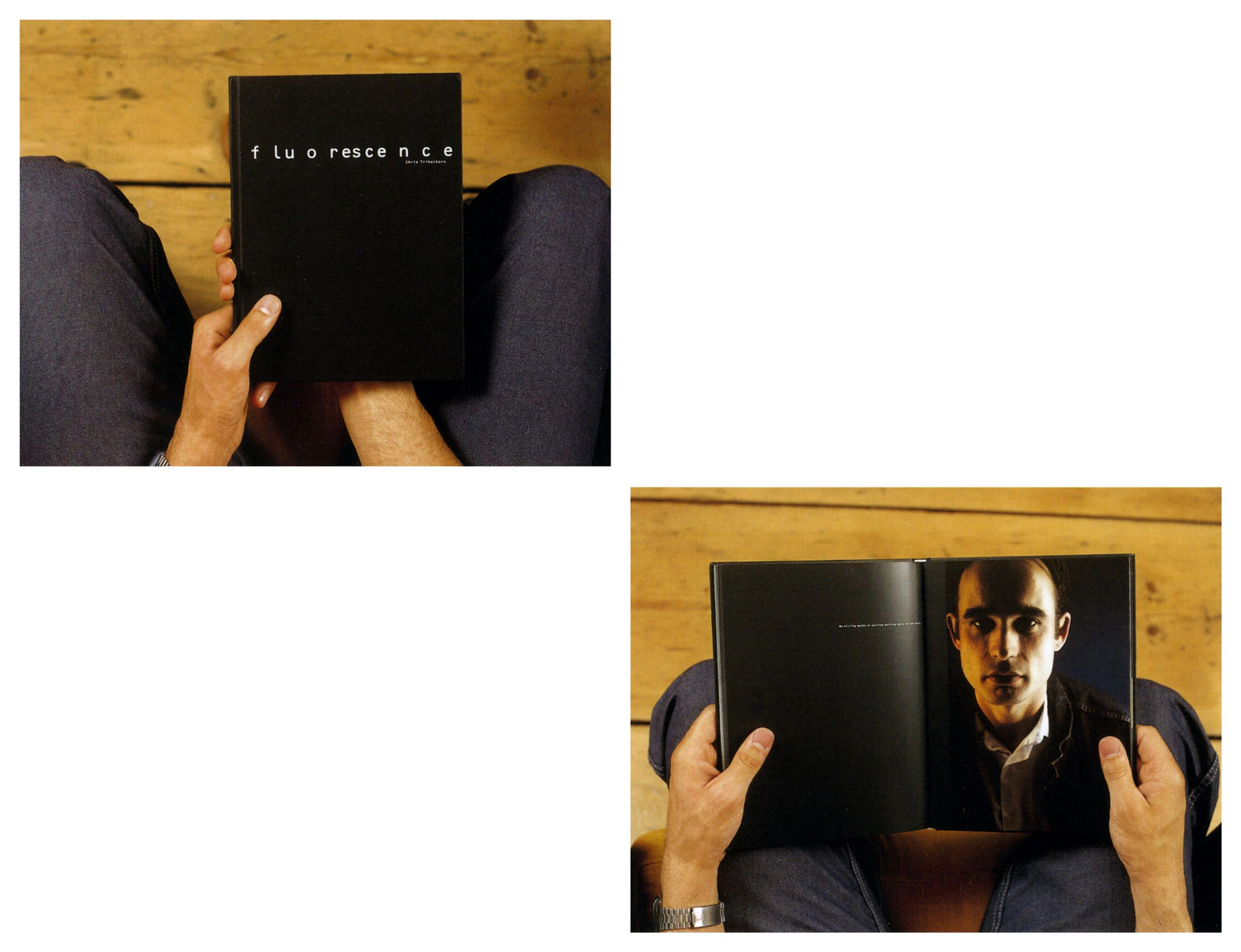
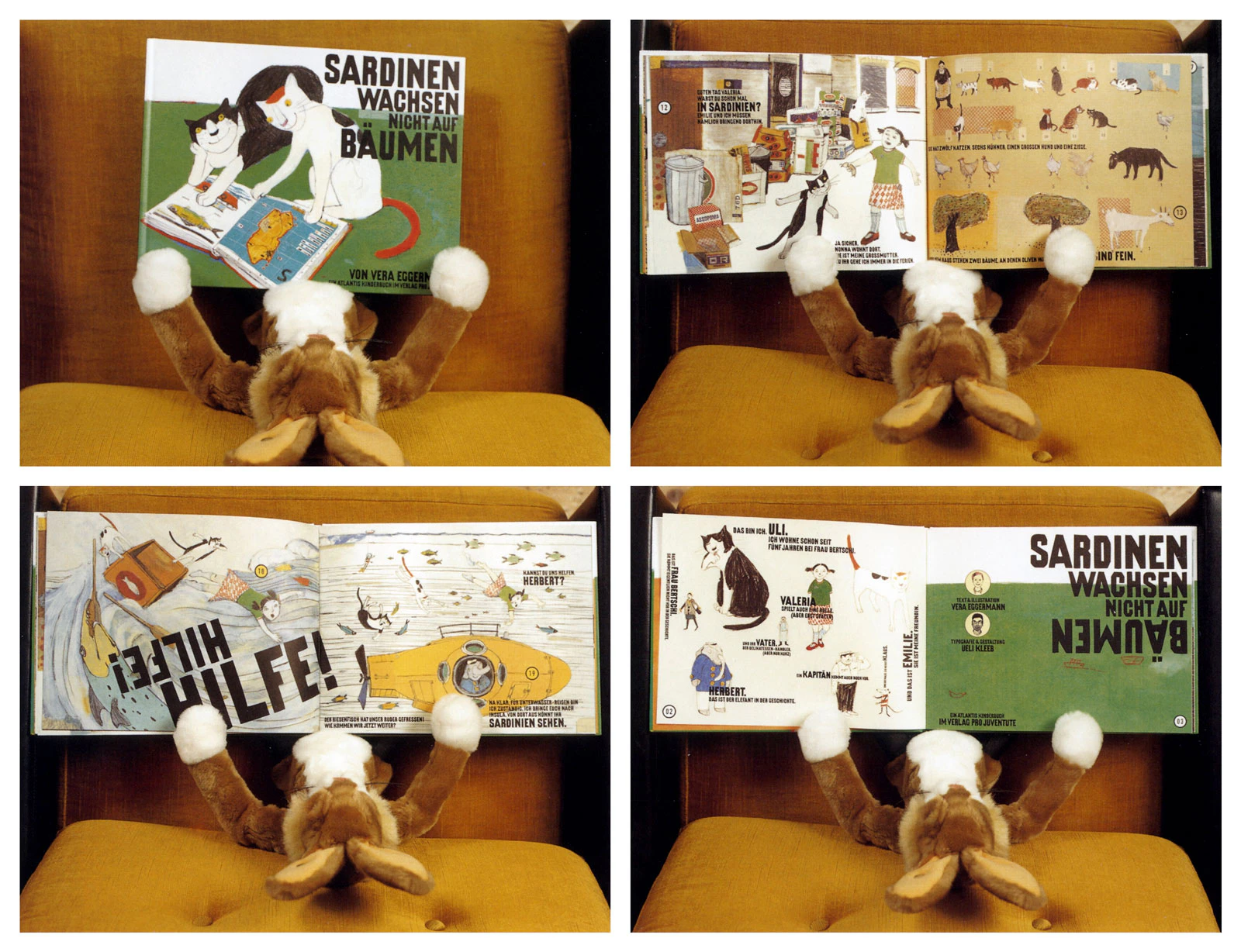
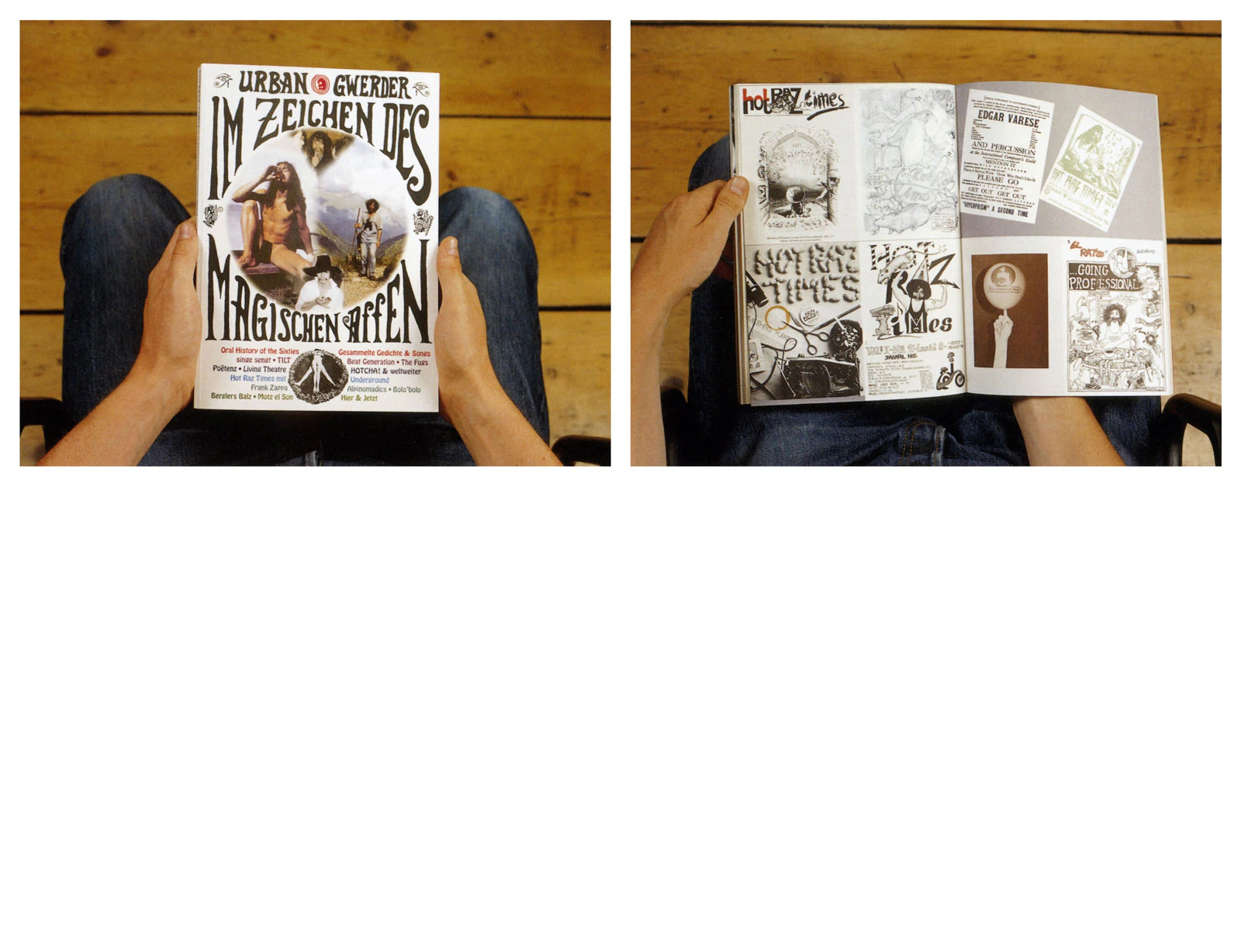
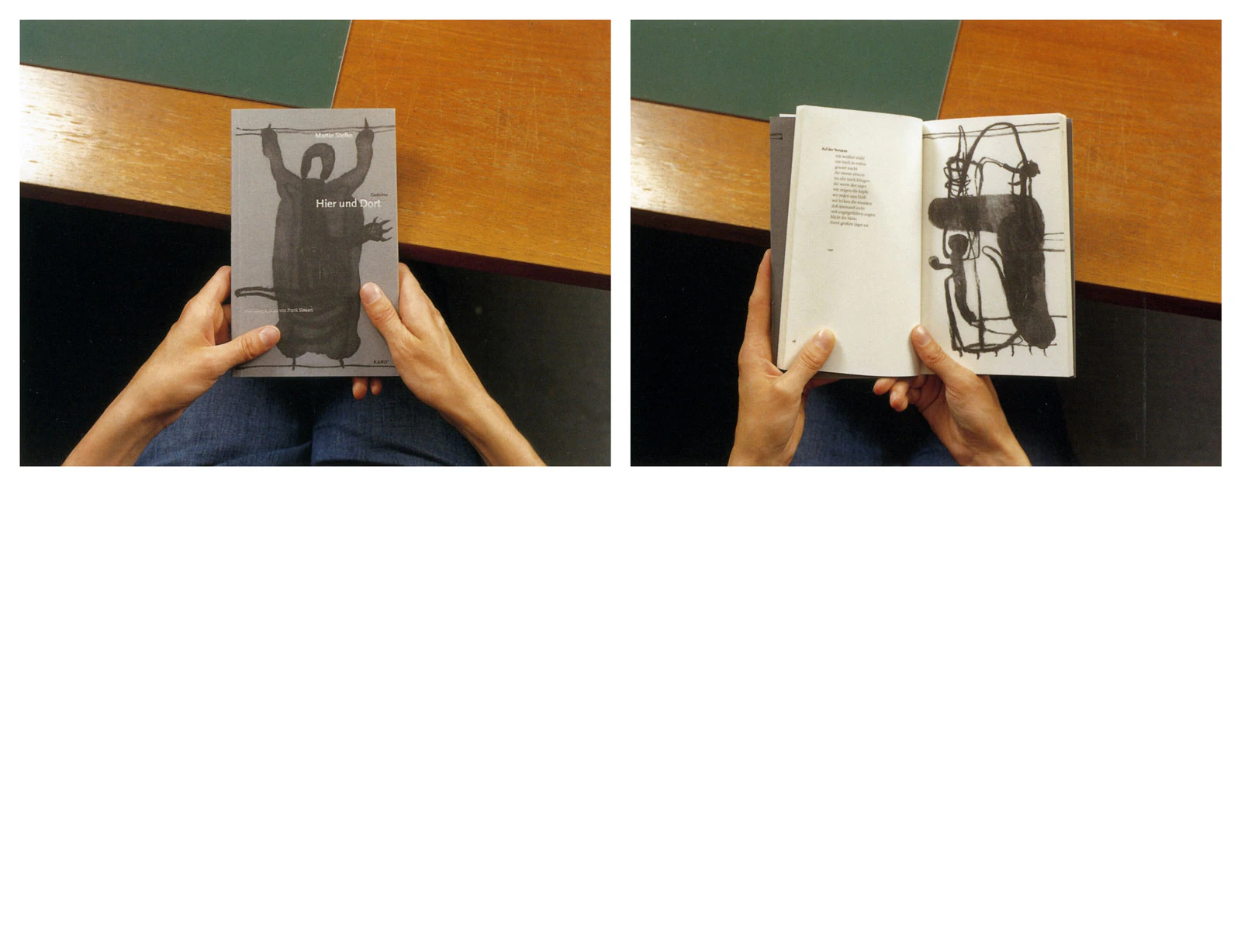
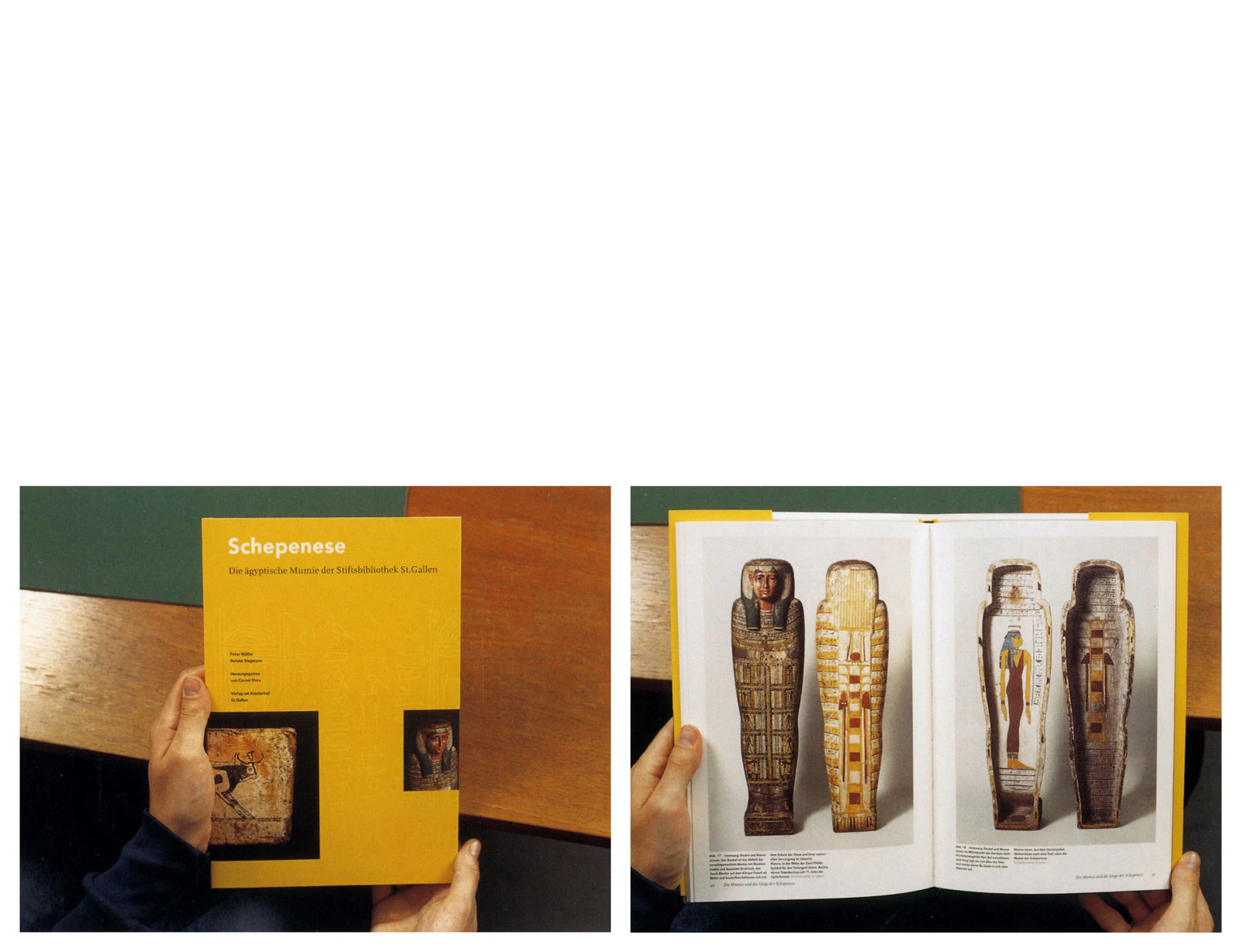
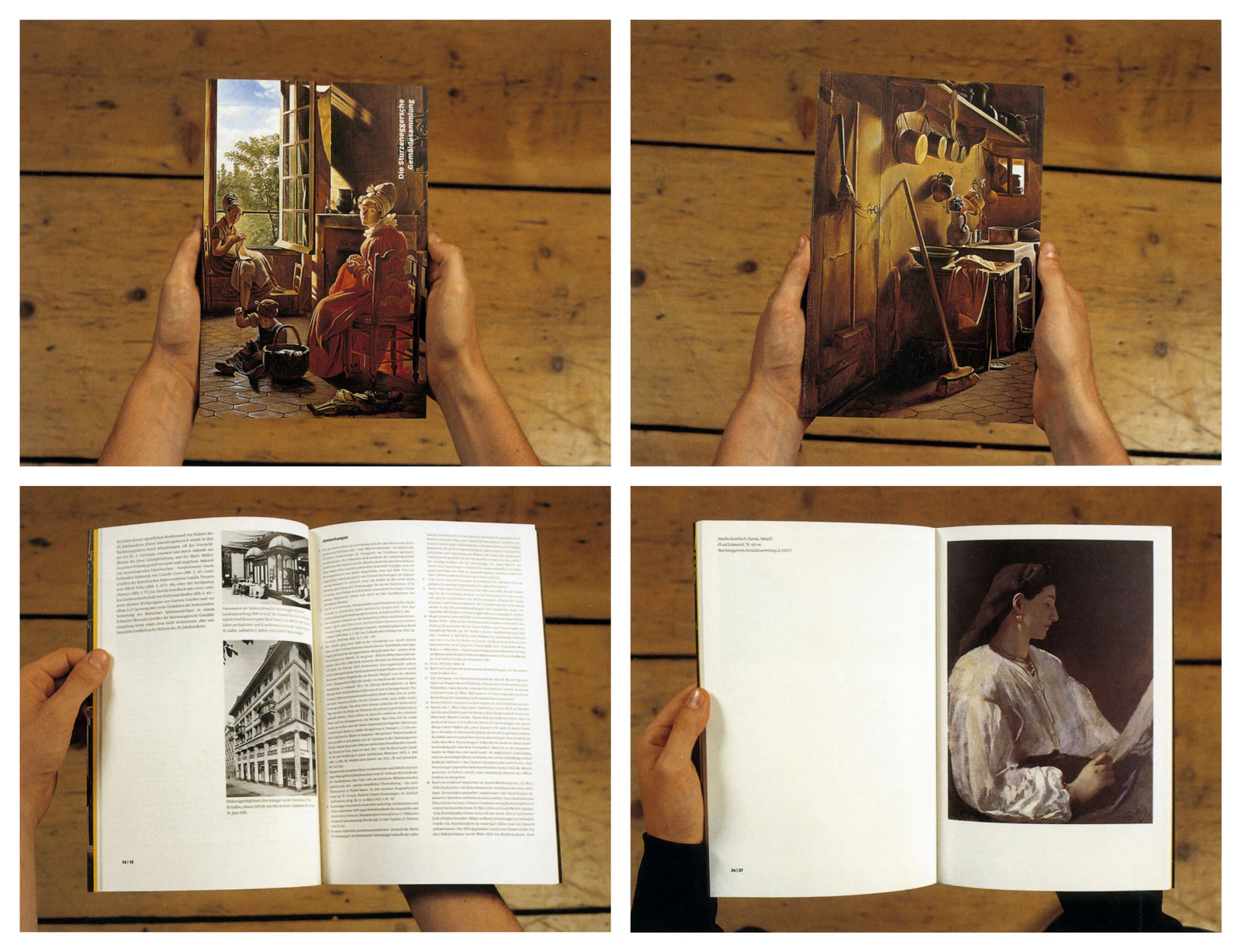
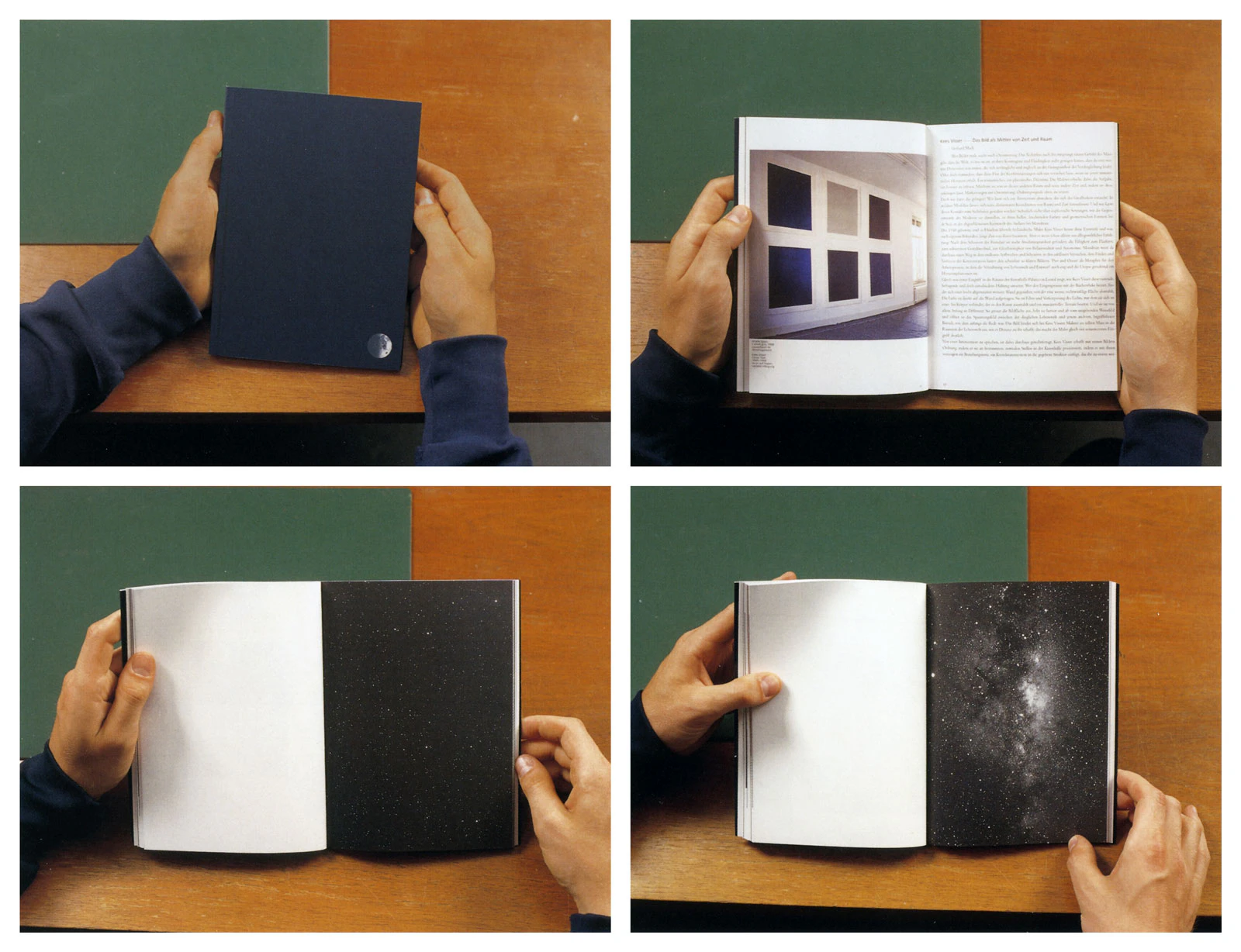
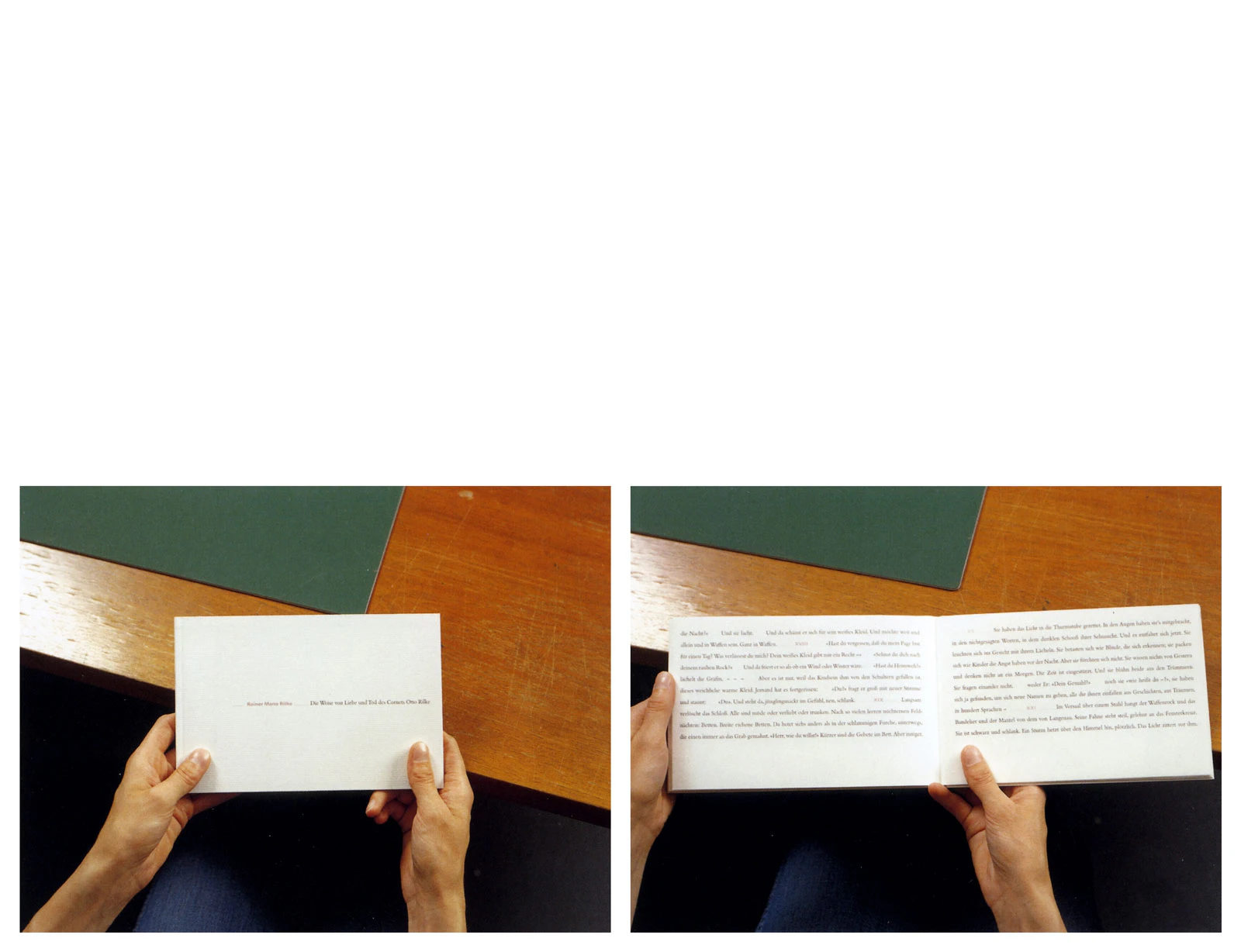
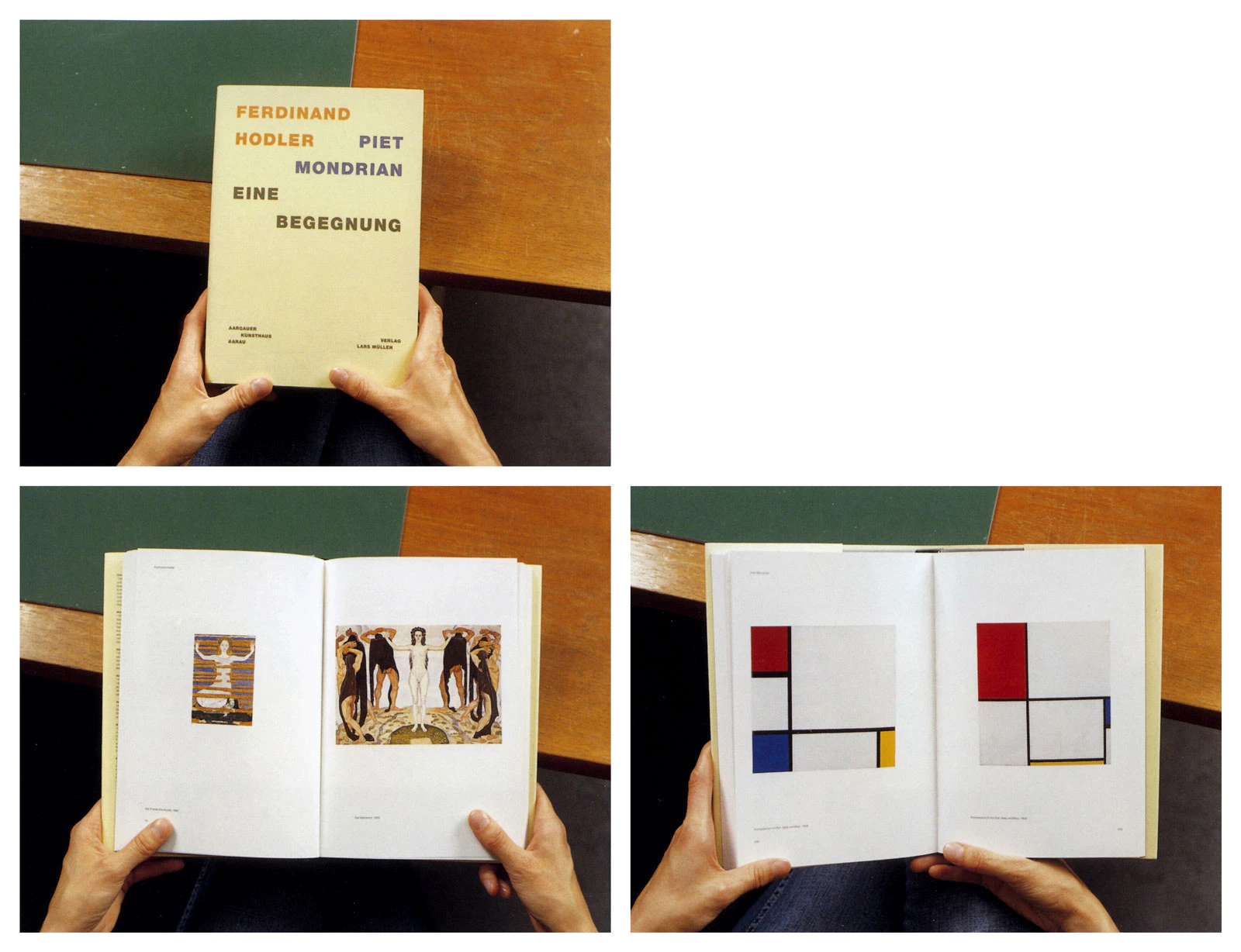
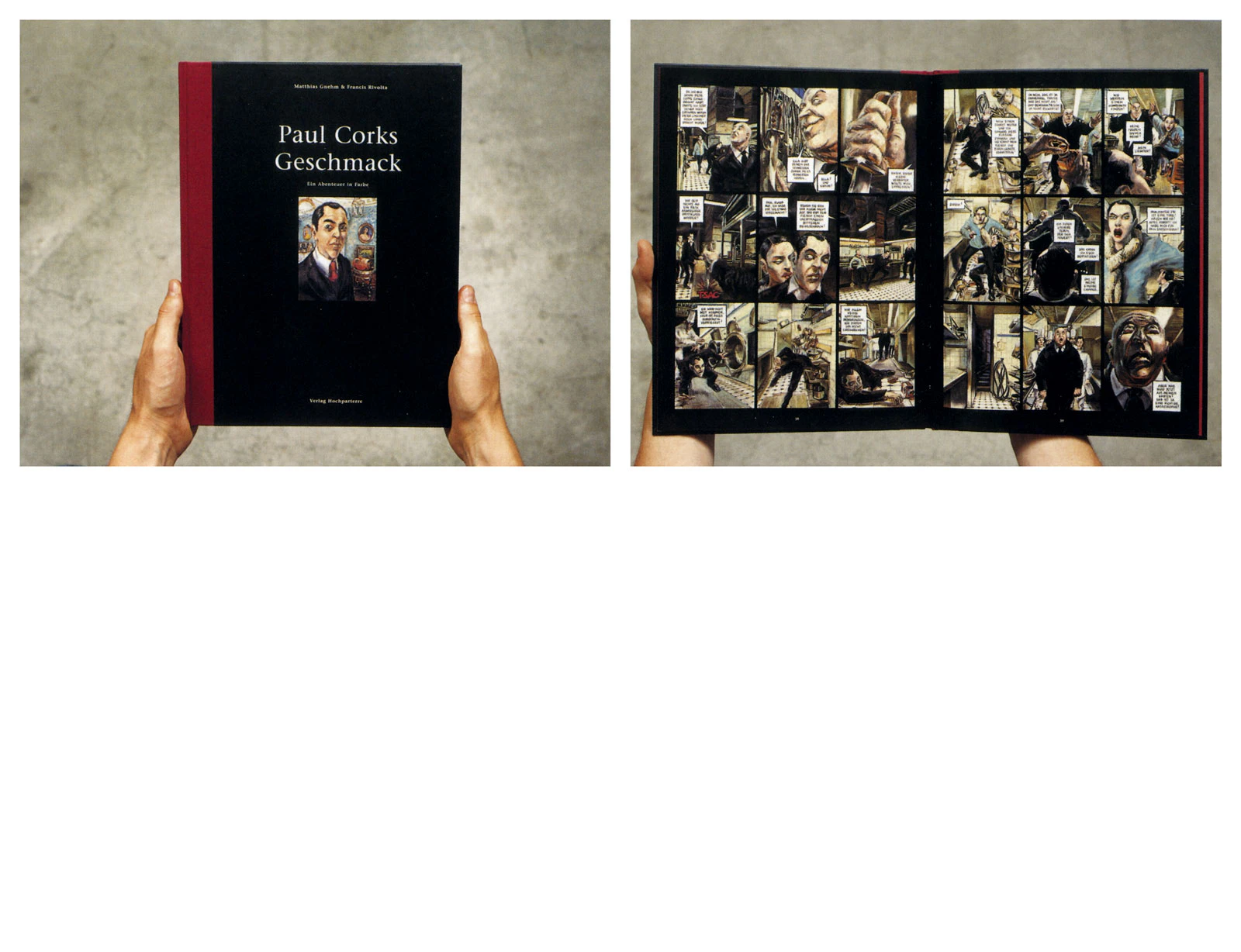
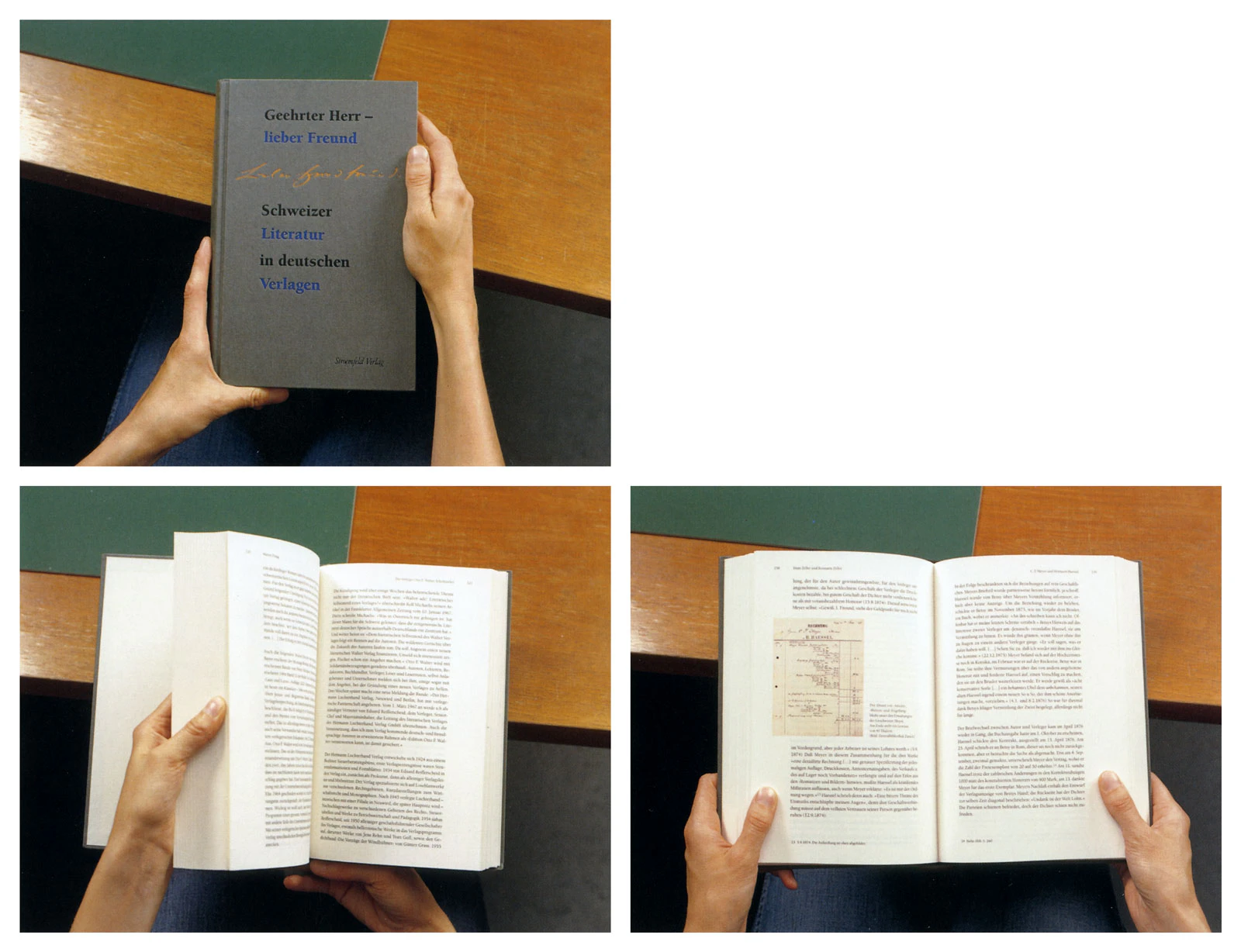
The Most Beautiful Swiss Books of the year 1998
About the year
As is the ease every year, the books entered in the competition "The most beautiful Swiss books" permit us to get a better idea of the current typographic design trends in Switzerland. The entries can thus be seen as participating in the re-definition itself of the book as a medium, within the rapidly evolving context of the media industry. Under this aspect the competition offers an excellent opportunity for attempting a survey.
In this environment, the activity of publishing itself can also take widely varied forms. From the coordination of the publishing stages of design-production to the organization of the graphics chain and the production quality standards, solutions differ and areas of competence are differently distributed from one book to another. So among the 1998 entries we could perhaps differentiate these forms as so many graphic trends in the direction of "industrial", "paraindustrial" or "post-industrial" colorations.
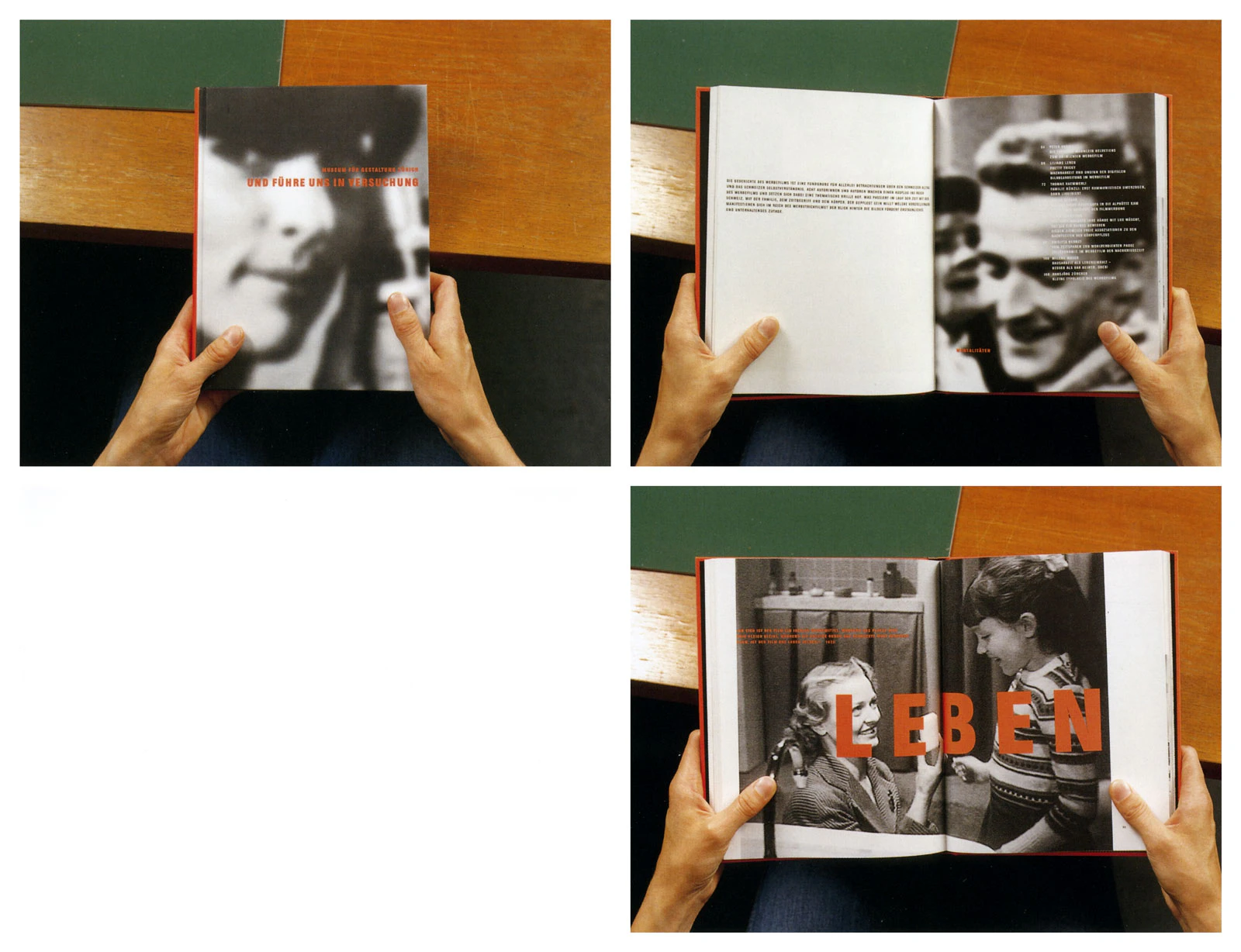
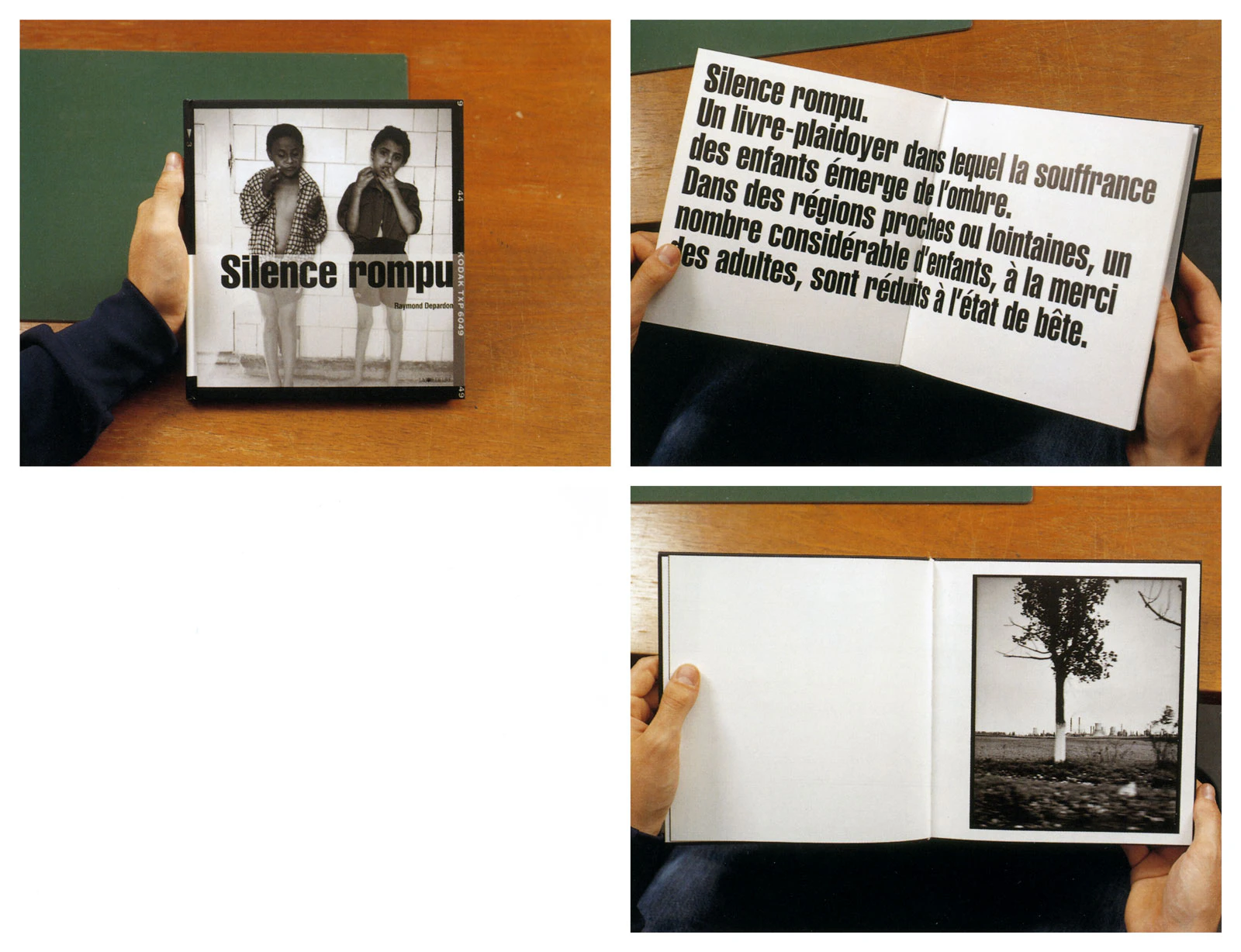
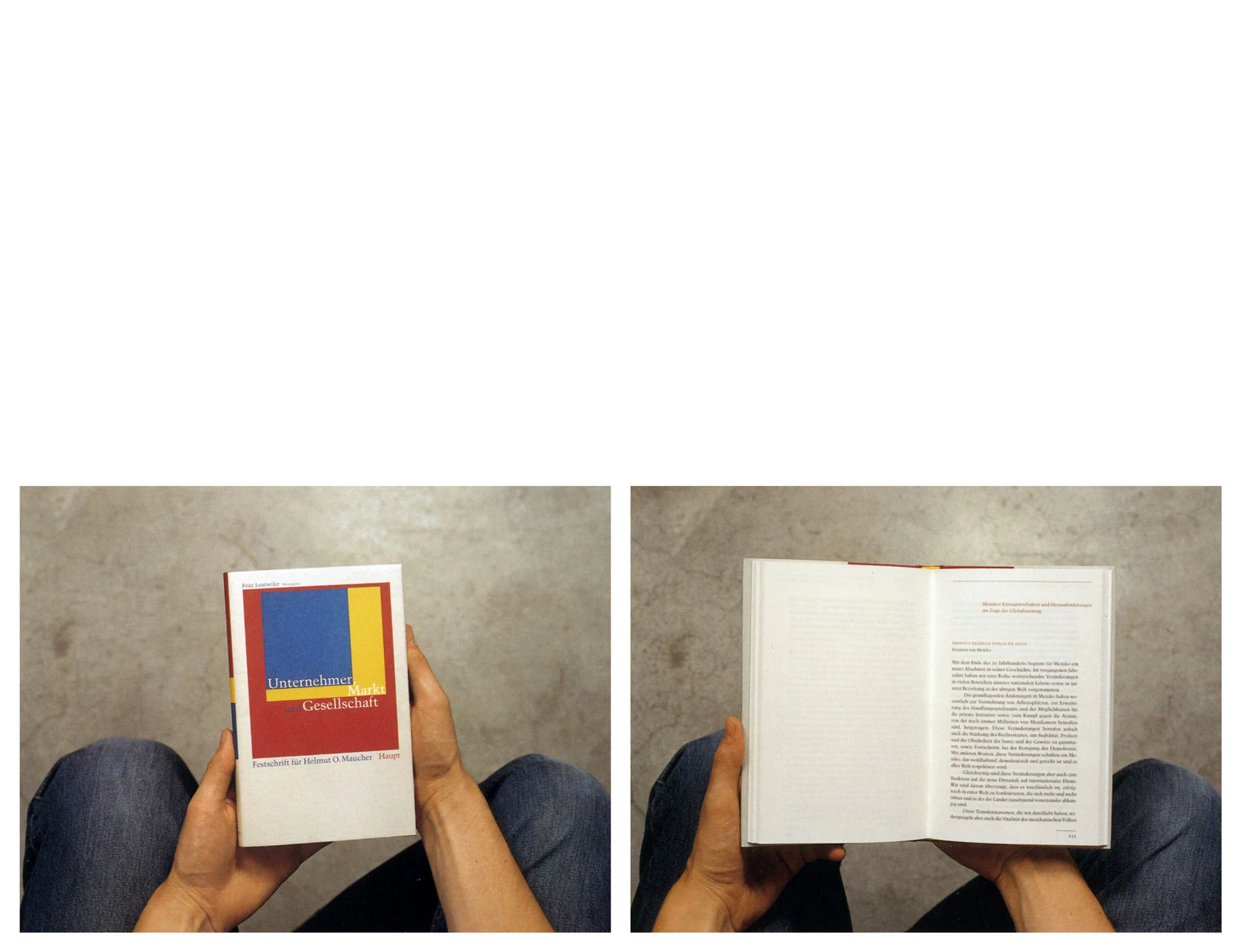
The category of books of the "industrial" typographie culture is thus characterized by their high degree of integration of the aesthetic programmes of the large "historical" typographic foundries and by the particularly consistent use of visual languages engraved in the long history of graphic media: the characters, the format, the solution of text-illustration ratios and the bookbinding. These are mainly books of text, books for reading which are distinguished by the quality of their microtypography. To a high degree, this group of books strives for an original synthesis, combining a modern typography for the titling and a historical typography for the text, based on a discreet and sophisticated concern for the structuring of the textual space. It is regrettable that this integration and updating of traditional typography is so little represented in the French-speaking books entered in the competition. (Here we risk a hypothesis: it may be that trial runs of this sort were not carried out by the people responsible for the typographic culture at the digital production stage).
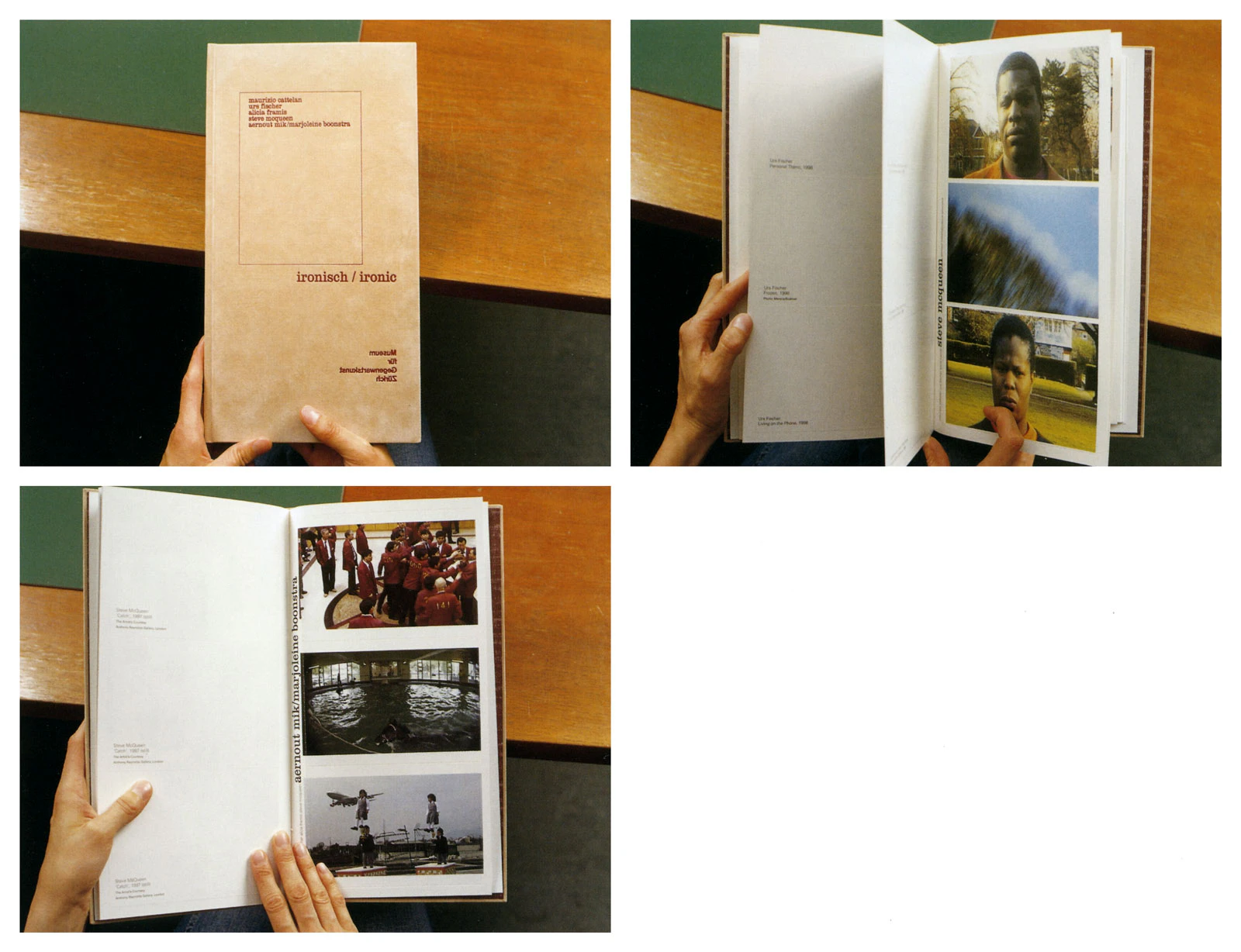
Another category of the "industrial" culture that can be noted - whether it is to be designated after that of the typography is an open question - is that of modernistic books. This is both the manifestation of a form of continuation of the languages of the 1950s and 60s (or of their "modernistic revival", particularly as seen in certain attempts at a distanced revival and a critical, i.e. ironical, way of putting them in perspective), as well as an affirmation of their current validity. Scale, systematic structuring and grotesques: such are the solutions mostly required for books with strong visual contents. A large group of publishing contents is thus recognized in this "distinctive" image inherited from Swiss modernism: monographs of architects, photographers, sculptors and commemorative volumes. Some of these books, with generous margins and of a high technical production level, constitute a sort of "white cube" of the Swiss publishing scene.
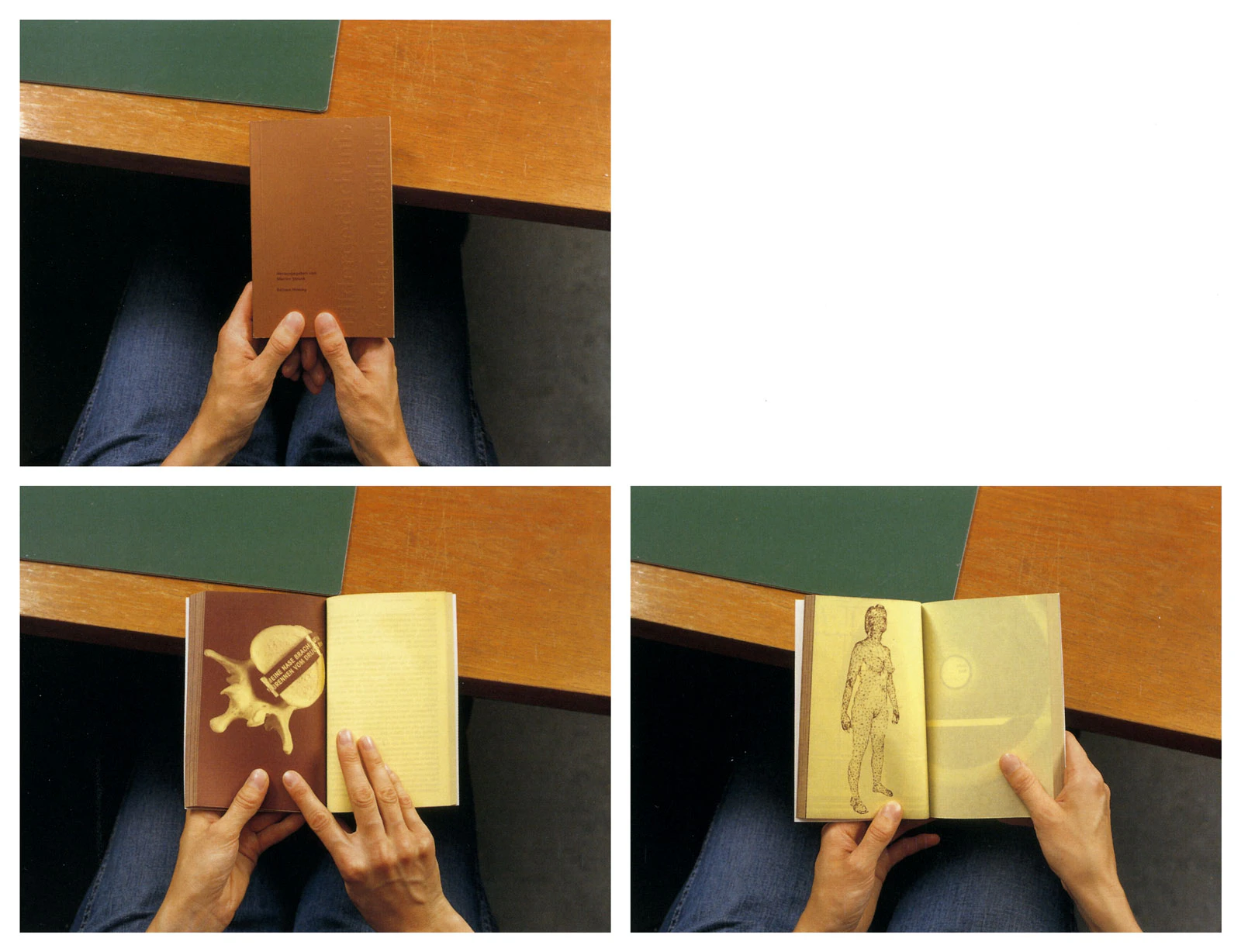
Using a bit of emphasis, we could qualify the group of books offering visual or technical solutions taken from the new digital tools and developed by more individualistic studios as "para-" or "post-industrial". They exhibit a "private press" spirit, created in line with the digital fashion, with typographies consisting more or less of alphabets designed for the occasion, above all in the characters used for the titles. Sometimes their masthead contains the name of the "designer-compositor-typographer-designer of characters". Reviving the tradition of lettering in a refreshing way, they are thus exploring typographic solutions that are sometimes more "dialectal", adopting independent profiles in contrast to industrial standards and their integration. This is one of the aspects of the renewal of book designing, thanks to the evolution that has taken place in typographic tools.
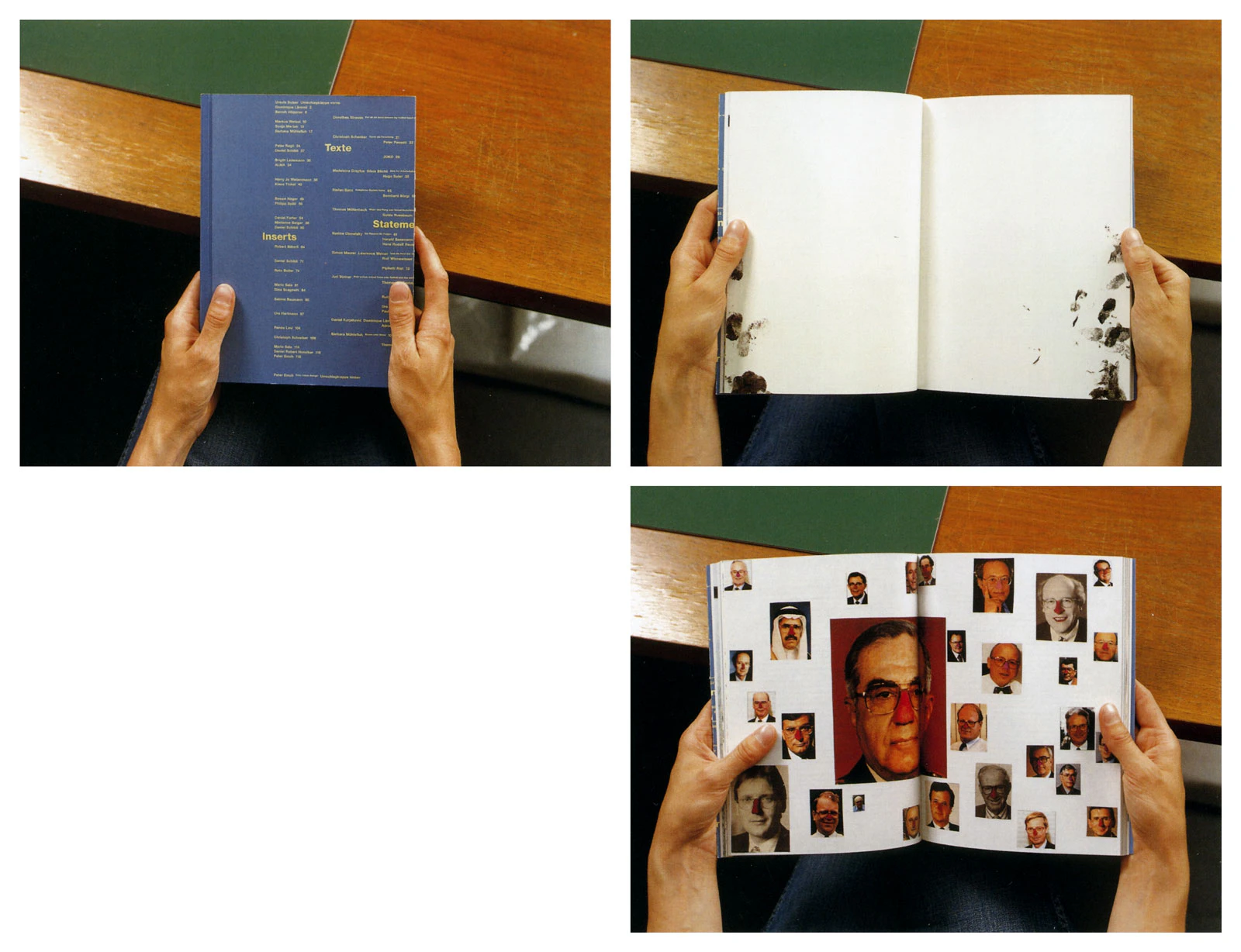
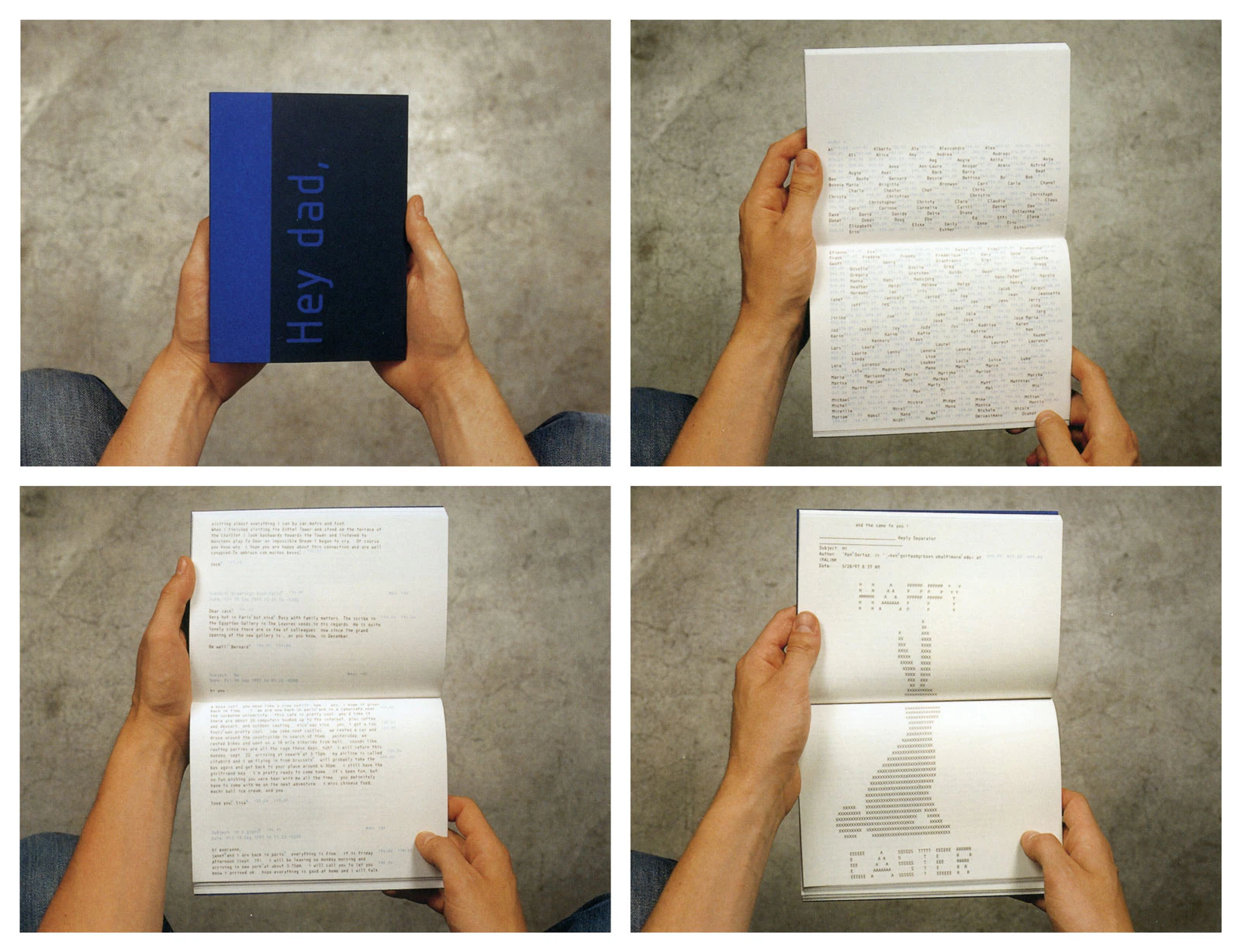
Another ensemble comprises projects whose design confronts the specific medium of the book with the environment of other media. Whether done in a direct manner or a paradoxical one, the text of an "established" book is confronted with a text "in progress" of an online medium (Le. the stability of the one with the variability of the other). There is a crossover of the organizational principles of one medium to those of another, an exchange of devices for reading and for navigation. Here the book is proposed as a pause, slight, momentary (and perhaps even ephemeral) in today's overwhelming flood of messages. In these creations we can see the signs of a new typology of books emerging.
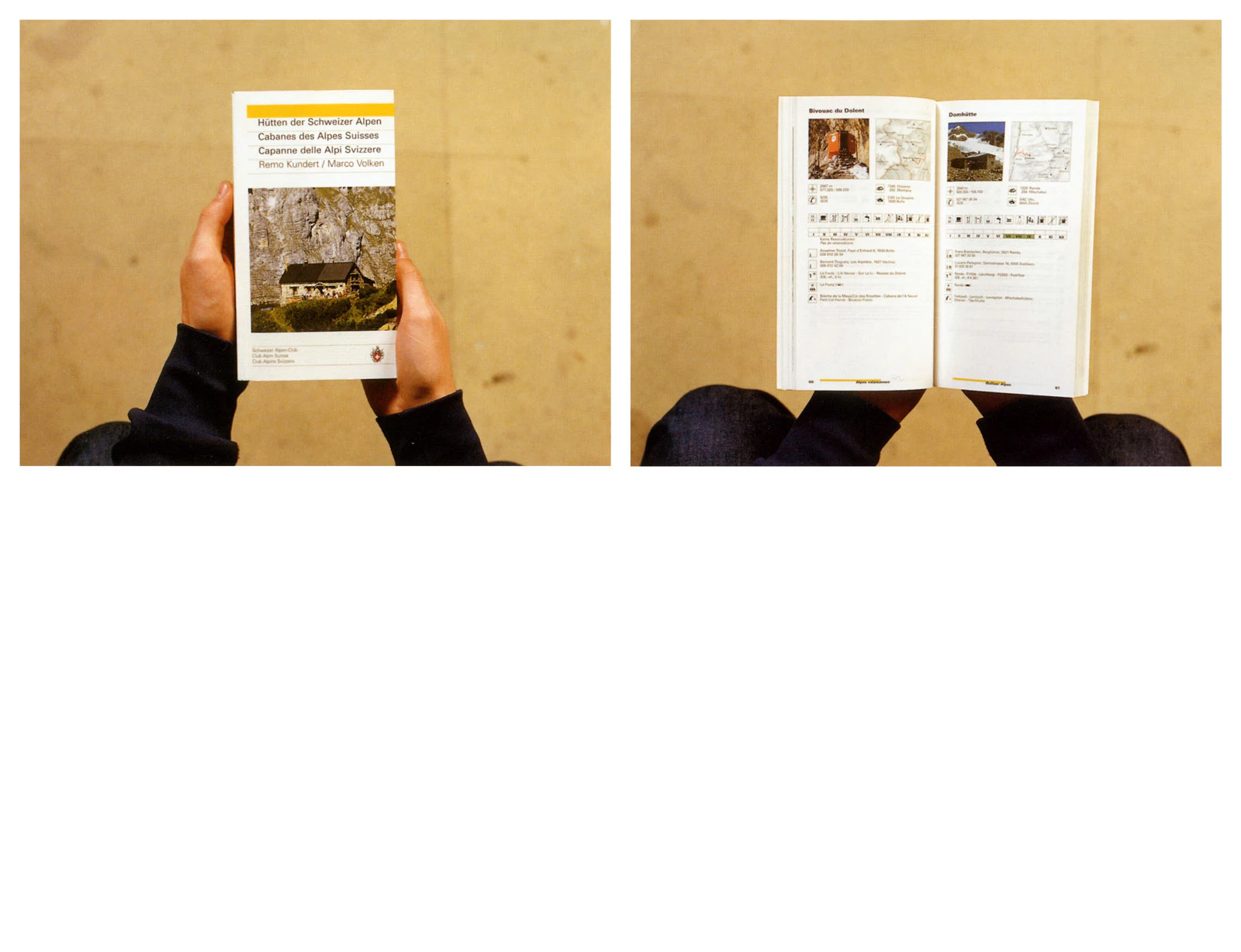
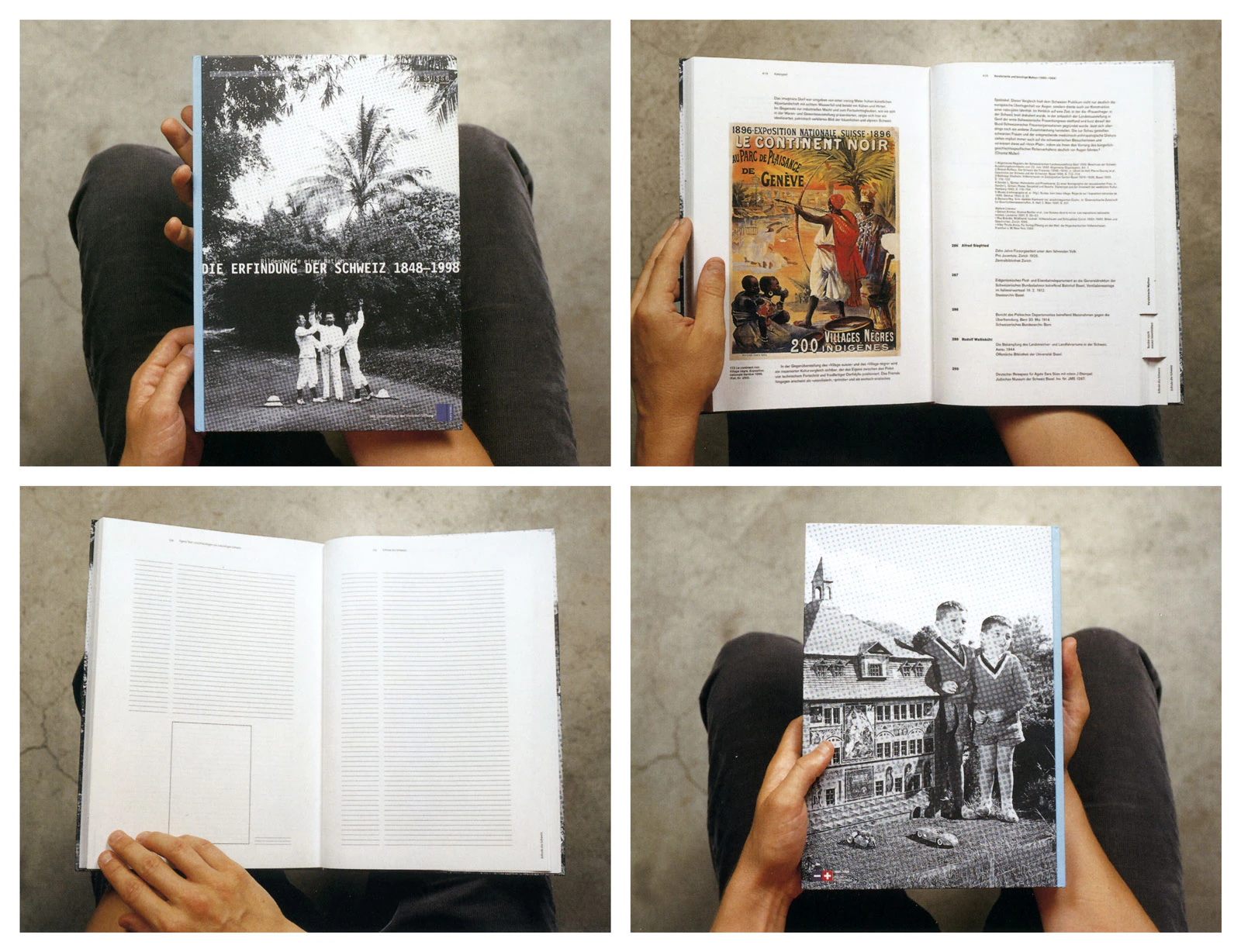
Finally, the last group consists of books whose purpose is essentially informative. These are books for consultation: timetables, guides, telephone directories, etc. Such books are especially confronted with the competition of the new media. As supports of the "information design" belonging to a strong Swiss graphic tradition, frequently offering complex typographic solutions, they are traditionally under-represented among entries in a competition. Another scarcely represented form is one that constitutes a still further aspect of the diversity of books published in Switzerland: publications produced by commercial enterprises, books of corporate design. This year it is gratifying that some of these entries received awards and therefore also contribute to enlarging our definition of the book as an evolving medium.
François Rappo, designer and typographer lives and works in Lausanne. He teaches at the Ecole cantonale d'art de Lausanne.
Translation: John O'Brian
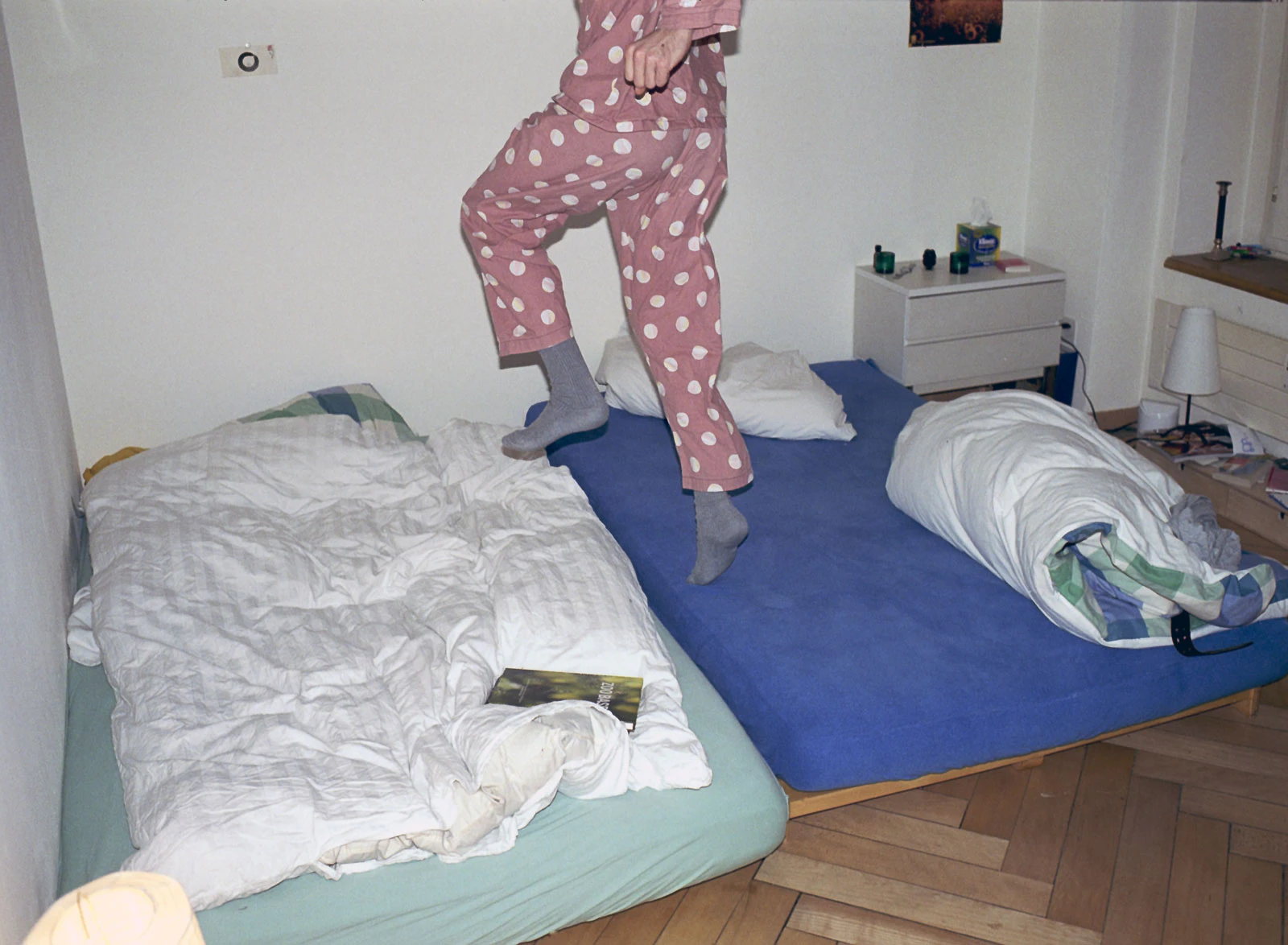
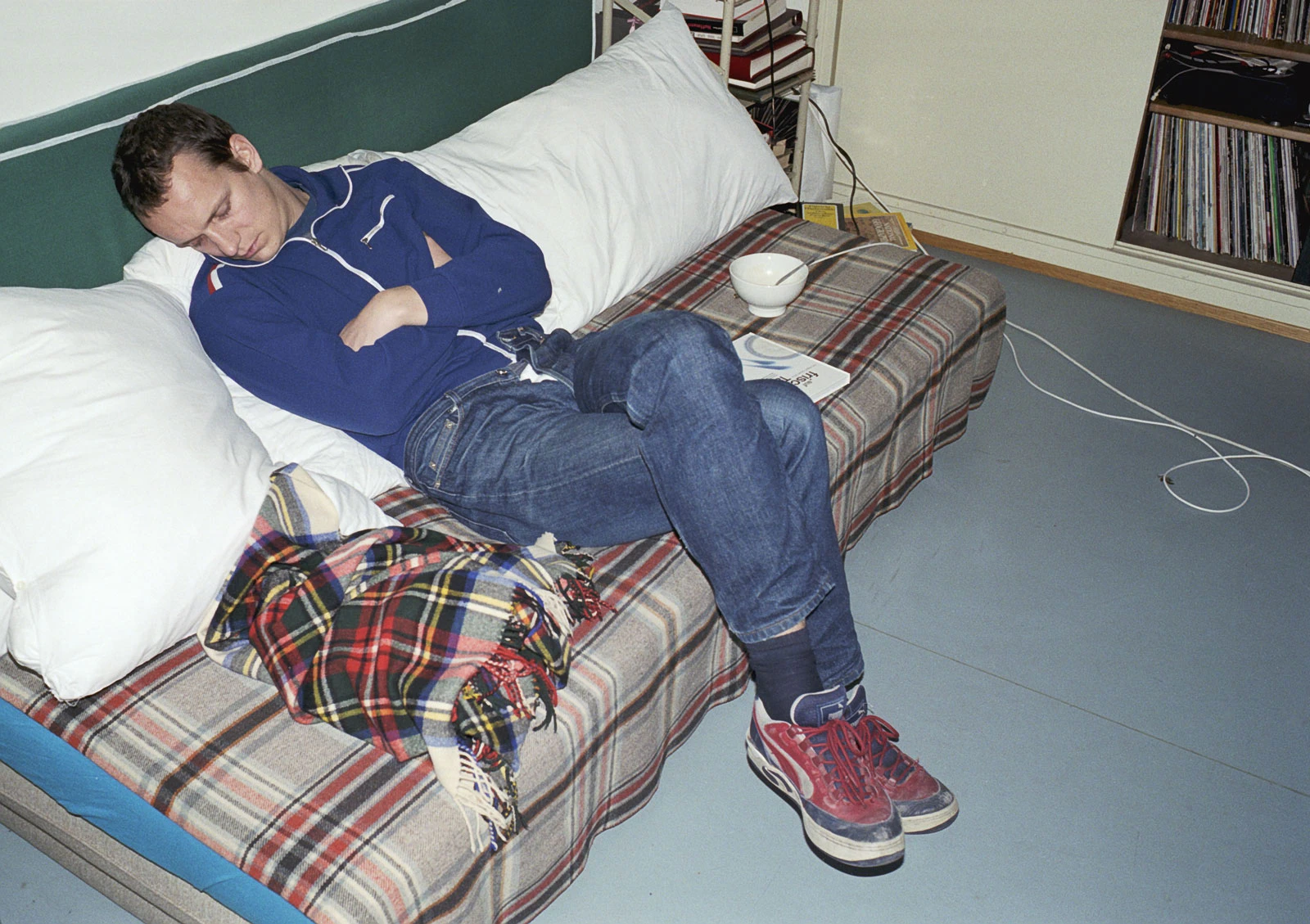
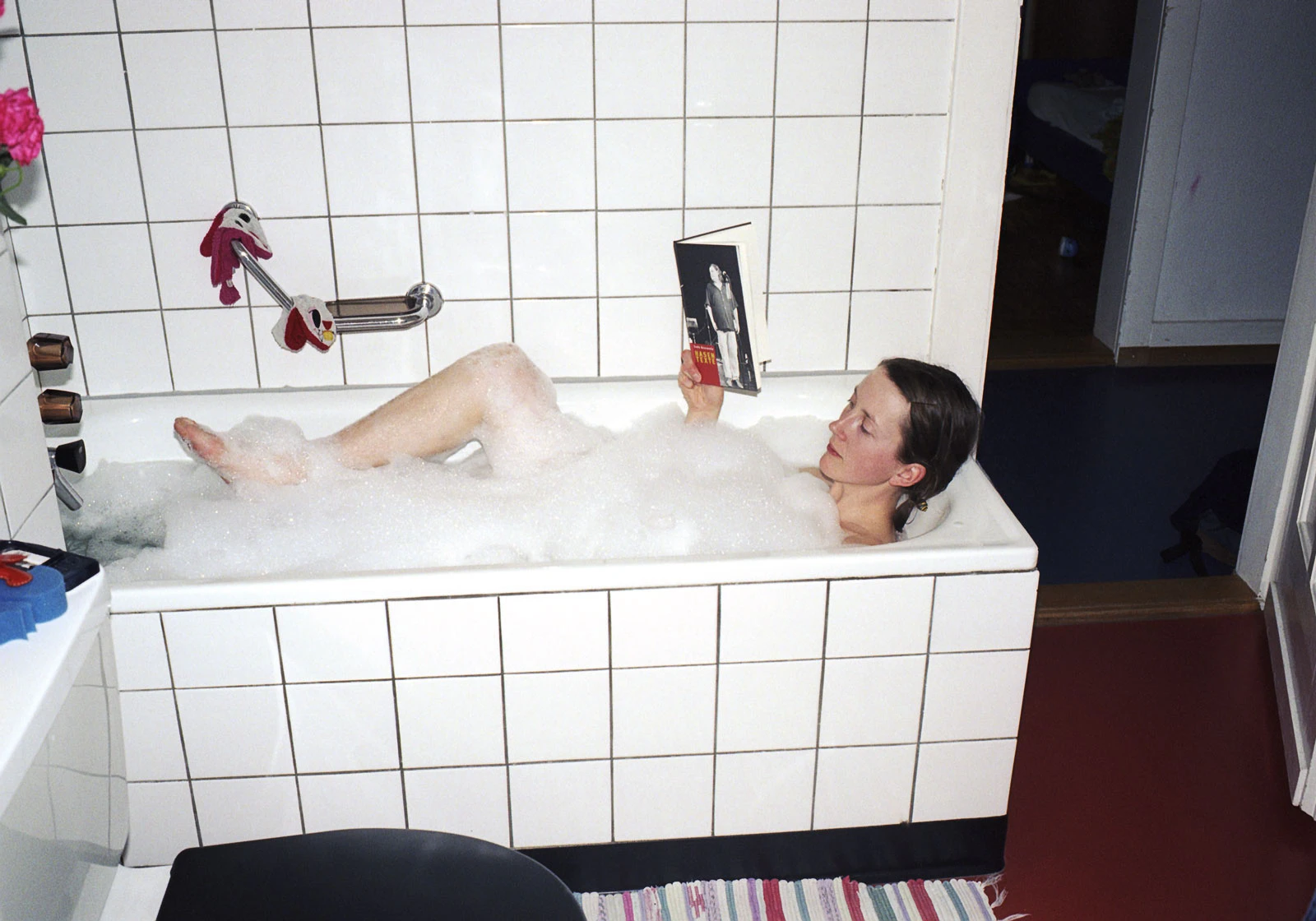
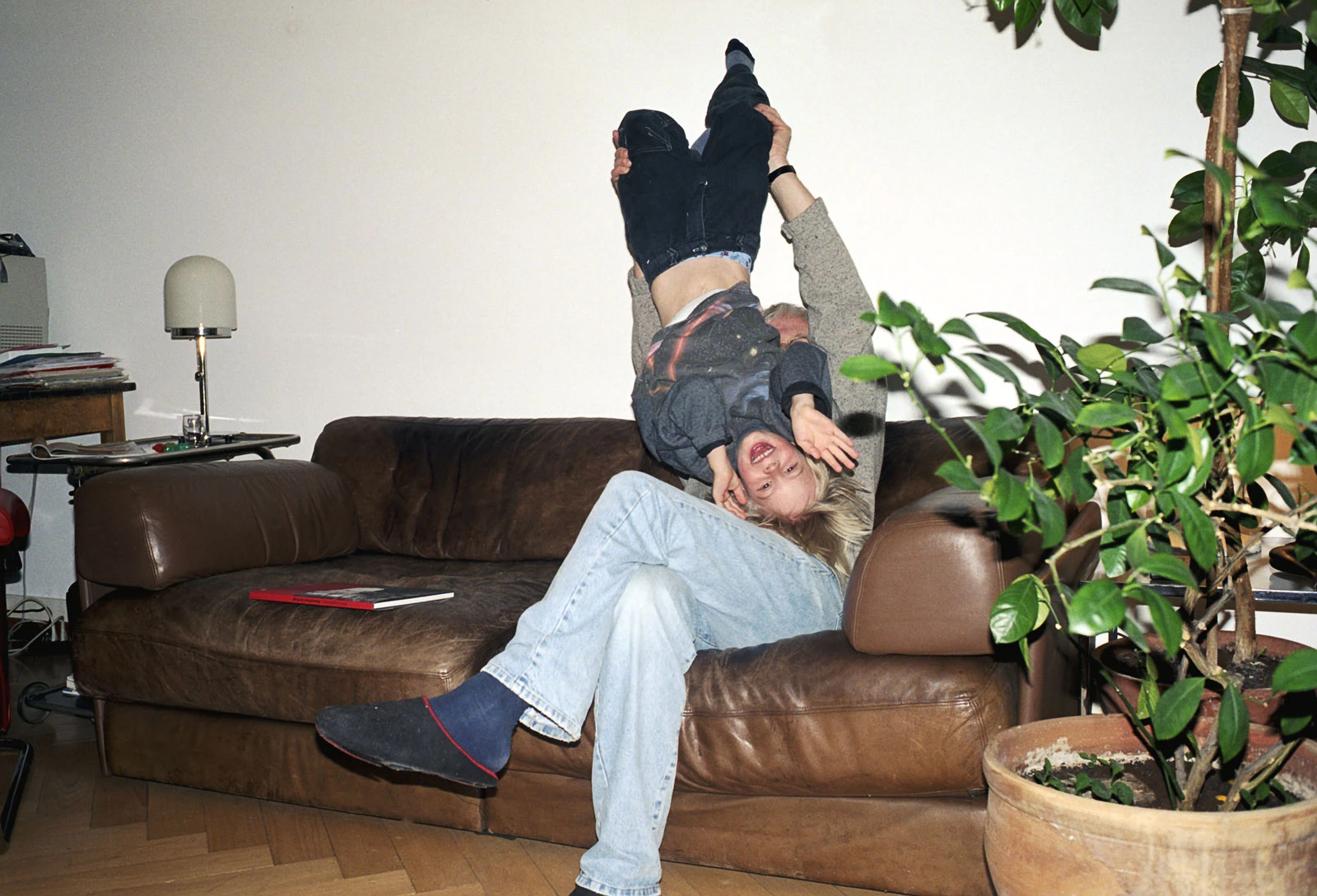
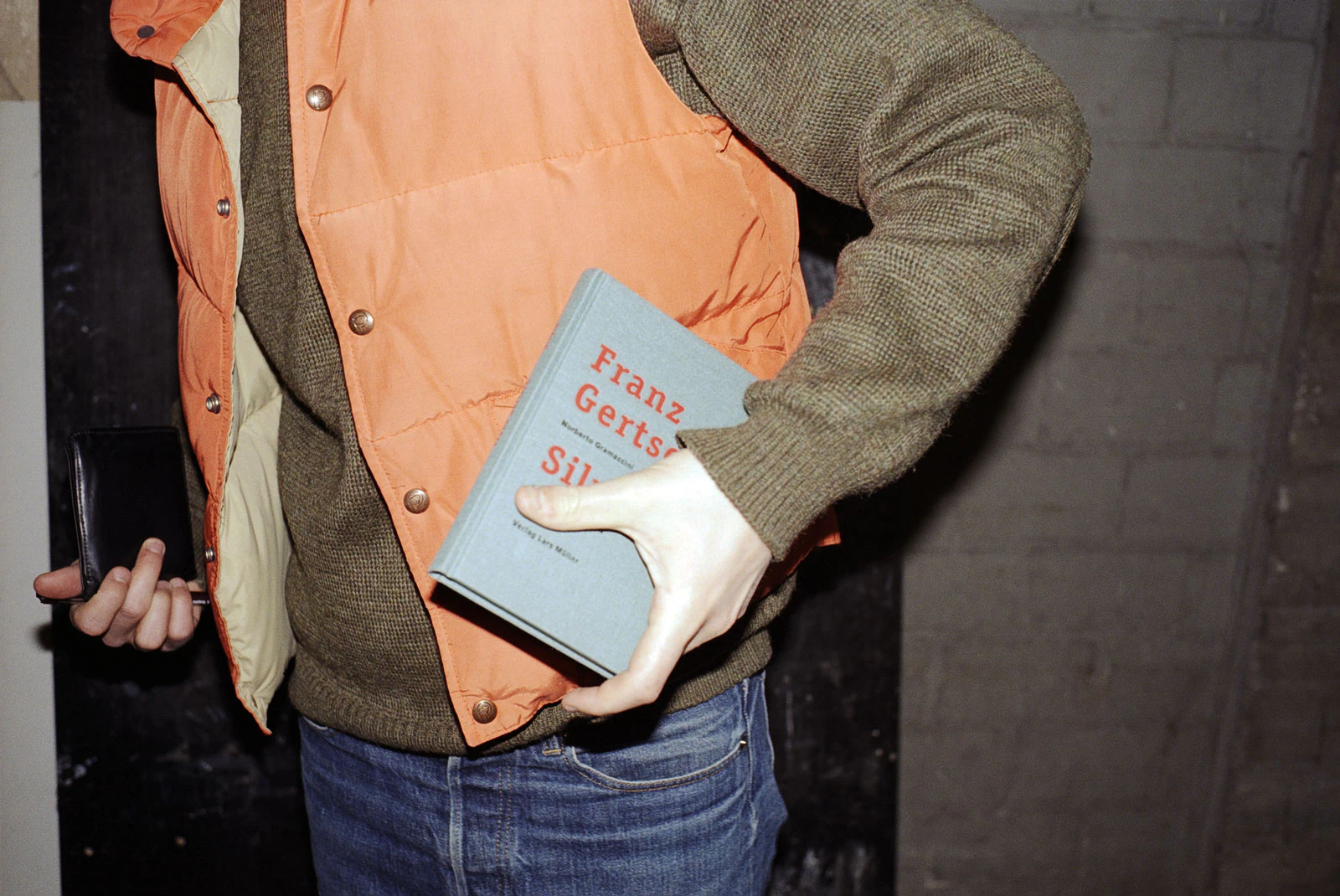
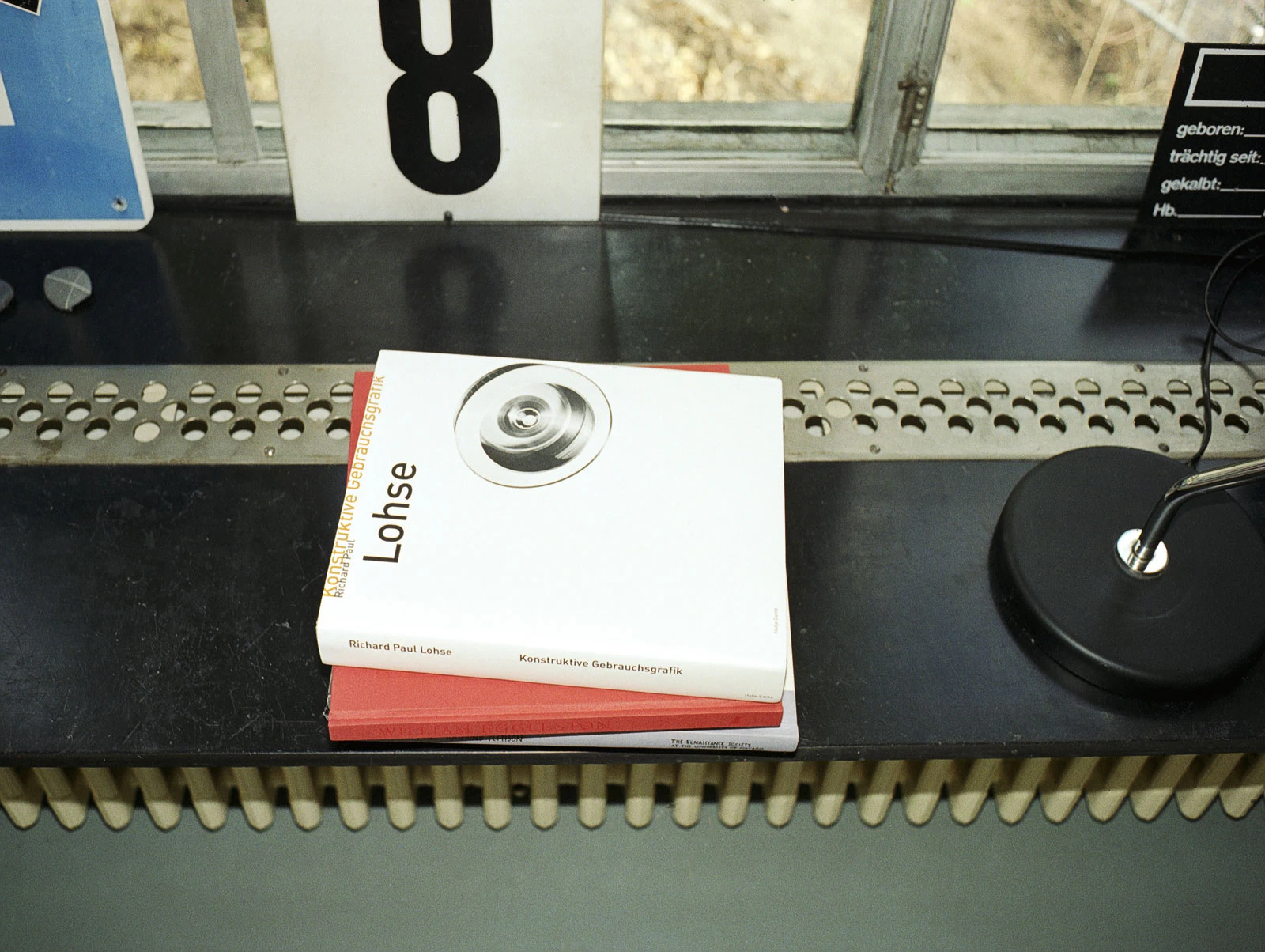

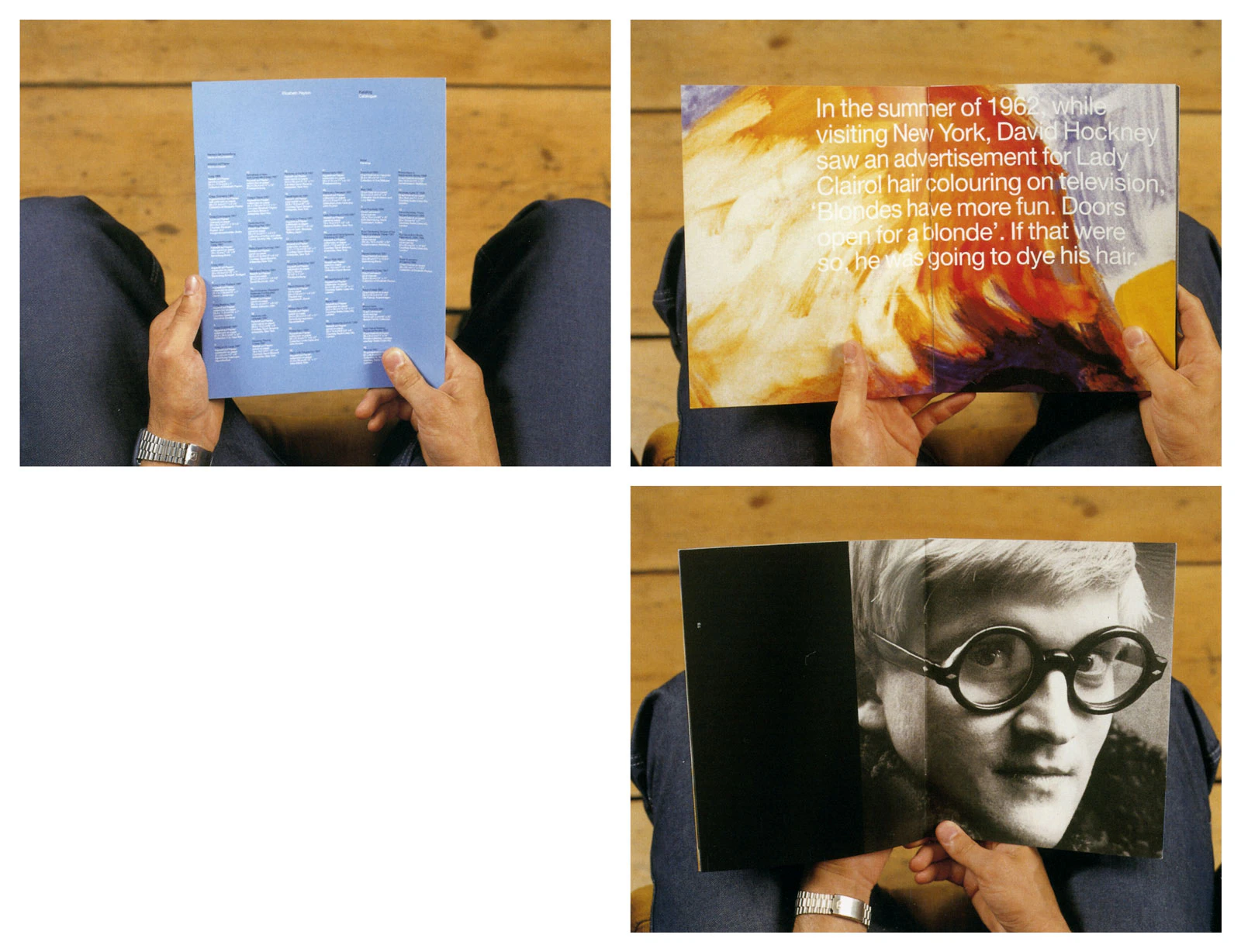
Neben den nationalen und internationalen Ausstellungen macht der Katalog «Die schönsten Schweizer Bücher» Wettbewerbsresultate anschaulich und alle spezifischen technischen Daten greifbar. Er dient aber nicht allein als informatives Anschauungsmaterial, sondern ist seinerseits ein künstlerischer Beitrag zur aktuellen Buchgestaltung. In einem Turnus von drei bis vier Jahren werden nun jeweils junge Buchgestalter und Buchgestalterinnen eingeladen, diesen Katalog zu konzipieren. Gilles Gavillet, Zürich, hat den Katalog bereits zum zweiten Mal in Zusammenarbeit mit Cornel Windlin, Zürich, entworfen und ausgeführt. Mit dem Katalog trägt ein neues Gesamterscheinungsbild für Plakate und Einladungskarten den Wettbewerb visuell nach aussen.
Aus 267 eingereichten Publikationen hat die sieben Mitglieder zählende Jury unter dem Präsidium von Lorette Coen, Lausanne, dieses Jahr 22 Bücher ausgezeichnet. Gleichzeitig verlieh die Jury zum vierten Mal den Jan Tschichold Preis. Mit diesem Preis zeichnet das EDI eine ausserordentliche Leistung, Kreativität und Engagement im Bereich der Buchgestaltung aus. Der diesjährige Jan Tschichold Preis in der Höhe von 15'000 Franken geht an den Verleger und Buchhändler Ricco Bilger, Zürich und Leukerbad.
Der Wettbewerb «Die schönsten Schweizer Bücher», die Ausstellungen und der Katalog geben nicht nur einen Blick auf den aktuellen Stand der Buchgestaltung in der Schweiz. Sie sollen eine breite Öffentlichkeit anregen, aktuelle Fragen und Probleme im Bereich der Buchgestaltung kritisch und engagiert zu diskutieren.
Ich bedanke mich herzlich bei Frau Mirjam Fischer, die den Wettbewerb seit letztem Mai konzeptuell und organisatorisch betreut.