
Swiss Grand Award for Music 2026
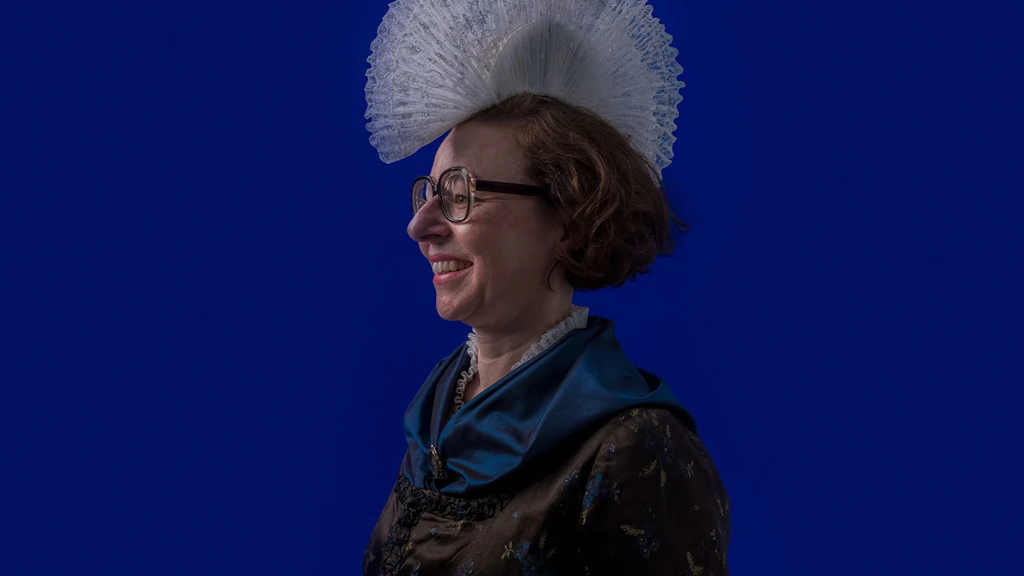
Nadja Räss
Yodeler and cultural mediator with roots and vision
Nadja Räss is a singer, vocal coach and networker. Born in 1979 and raised in Einsiedeln, she is one of the leading voices in Swiss yodeling culture. Coming from a family where folk music was highly valued, she knew from an early age that she wanted to become a yodeler.
After studying classical singing, Räss devoted herself entirely to her passion and developed a repertoire ranging from orally transmitted traditional yodeling to new compositions. With Markus Flückiger (Sälbander), Willi Valotti, Rita Gabriel Schaub, the group Alderbuebe or in a trio with Outi Pulkkinen from Finland and Mariana Sadovska from Ukraine, the singer from the canton of Schwyz regularly creates spaces in which she also involves her students. As a soloist, she has performed with the St. Gallen Symphony Orchestra and the Swiss Orchestra and in 2015 she took over as director of the Jodelklub Waldstatt Echo Einsiedeln.
From 2012 to 2018, Nadja Räss was artistic director of Klangwelt Toggenburg. It was a formative period, though one in which she found little time for making music herself. Since 2018, she has served as Professor of Yodeling and Head of the Folk Music Department at Lucerne University of Applied Sciences and Arts – a role she performs with just as much passion as she does her own art. Her credo: those who teach must remain learners themselves. Staying curious means discovering new things.
Räss also played a key role in ensuring that yodeling was included on UNESCO’s list of intangible cultural heritage. In 2025, she received the Goldener Violinschlüssel award, the highest honor in Swiss folk music. The singer is constantly active: In 2026, her schedule includes a world premiere with the Swiss Orchestra and a solo role in the cantata Dorothea, as well as teaching courses and the Eurovox Congress for voice experts in Lucerne. Or, as Nadja Räss once described her creative energy herself: “A tree with deep roots can also bear much fruit.”
Excerpt from the jury statement
Her ability to build bridges between regional traditions, contemporary artistic forms of expression and international perspectives make her an important figure in Swiss music. As the first Grand Prix laureate from the field of Swiss folk music, her long-standing commitment is highlighted in a particularly visible way.