
Hilar Stadler
Patrick%20Blank%2C%202025.jpg?w=1024&auto=format)
“Archives are a place of solace for impoverished museums.”
“Sometimes we’re an art museum, sometimes a photography museum or a hardcore museum of local customs. We reinvent ourselves from one exhibition to the next.”
“From the outset, I refused to just take art out of the studio. I wanted the works to respond to the space.”
Inventor of the contemporary Heimatmuseum
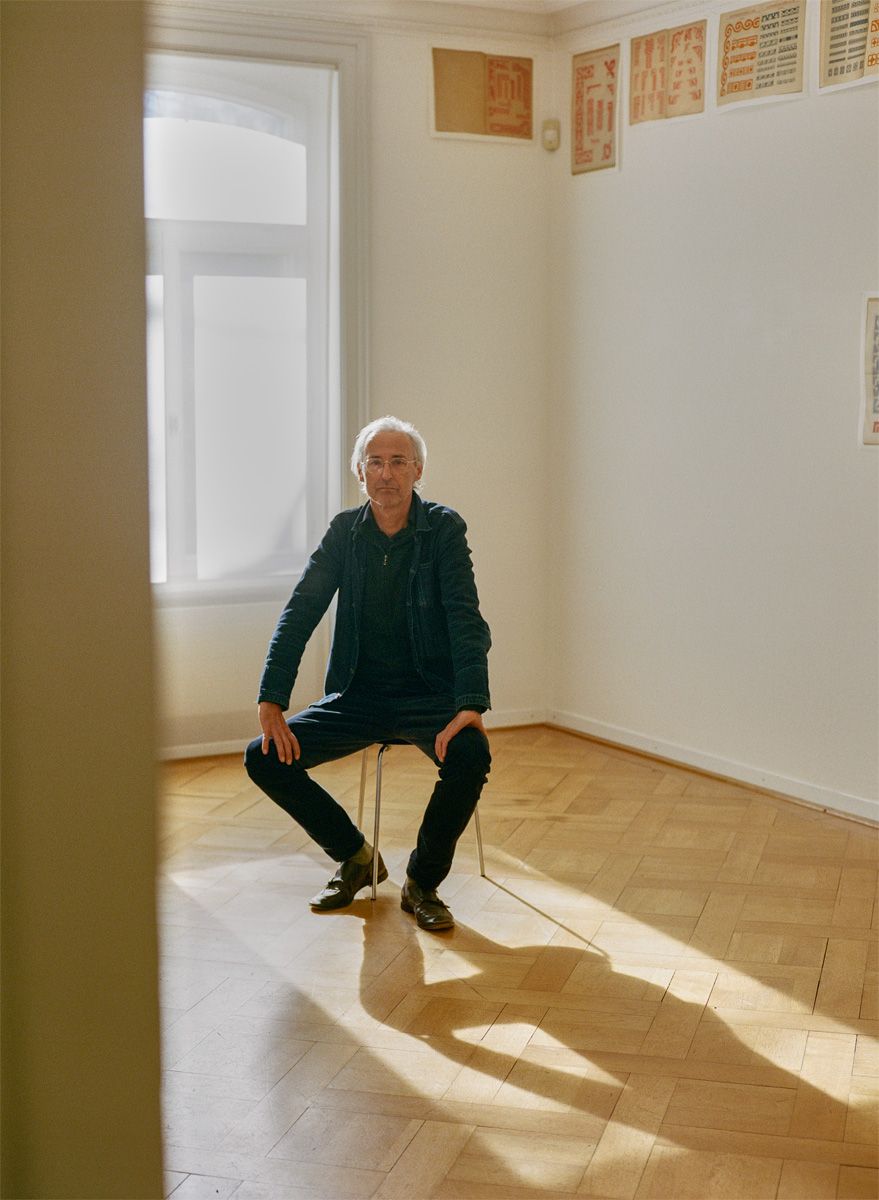
Florida, a former factory owner’s villa in a park in Kriens, is home to an institu- tion that has influenced Switzerland’s museum landscape for decades: the Museum im Bellpark. Its identity is inseparable from Hilar Stadler, who has run it since 1996. Under his auspices, the museum has established itself as a centre that tackles local history with the same self-assurance as international stances in art, photography and architecture.
Hilar Stadler (*1963 in Lucerne), whose biographical roots are in Goldau and Kriens, embarked on a career in education, gaining a primary school teaching certificate from the training college in Lucerne. But he remained fasci- nated by design and images: after attending the foundation course at the school of design in Lucerne, he studied art history and film science at the Uni- versity of Zurich, graduating in 1995. He soon began to combine this academic specialisation with practical experience: as a temporary projectionist at cine- mas in Lucerne, a scientific assistant at the auction house Galerie Fischer, and a member of the editorial team at the Kunstbulletin in Zurich, where he honed his appreciation of contemporary art.
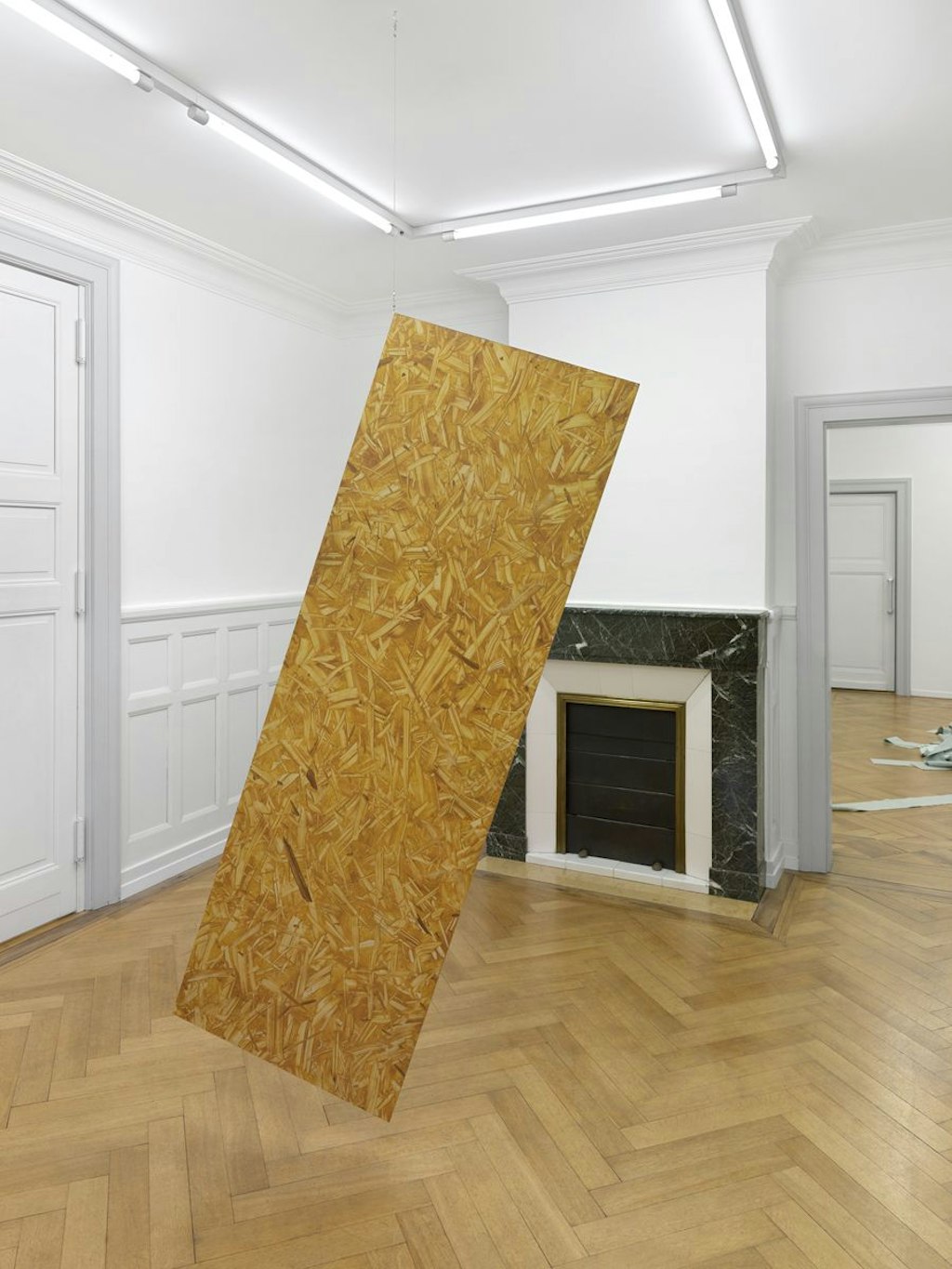
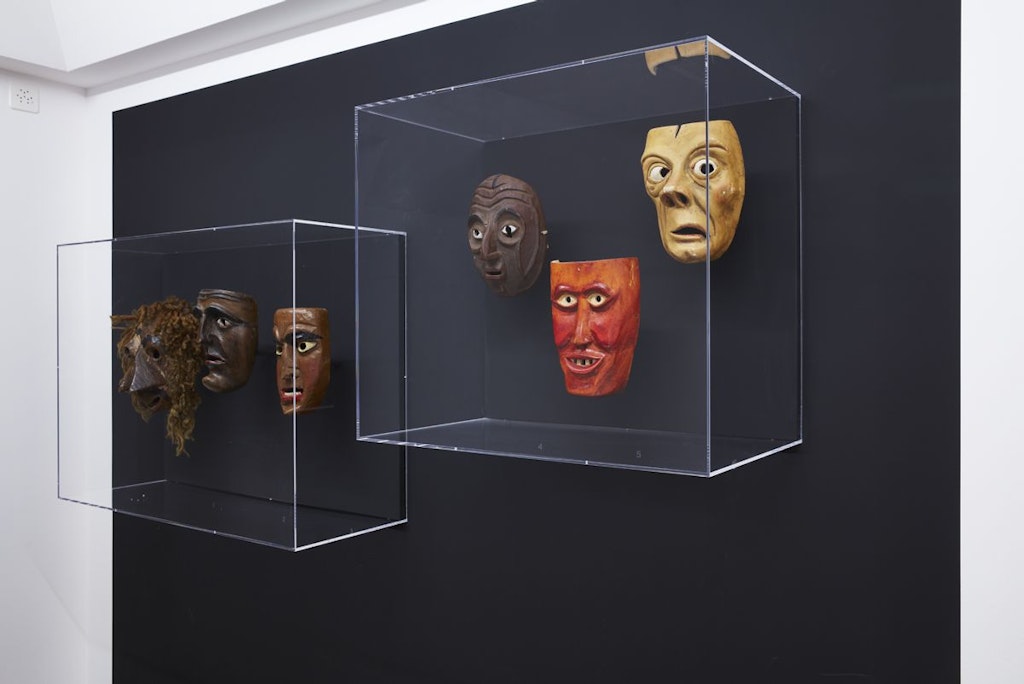
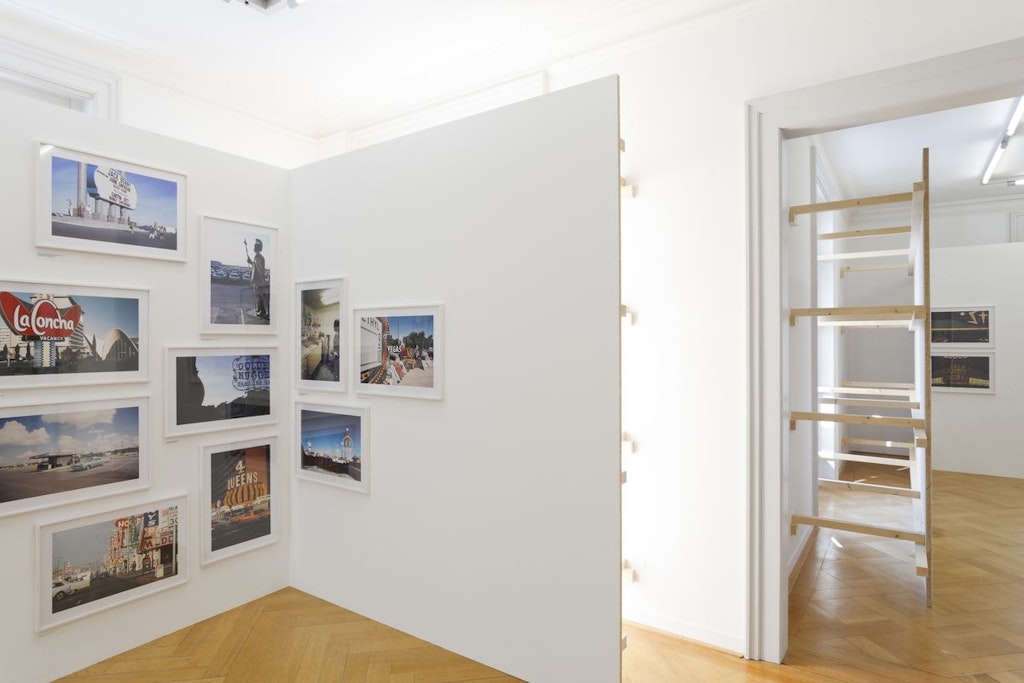
Stadler’s curatorial strategy underpins his unconventional approach. He subjects the seemingly everyday to scrutiny, and places historical finds in contemporary contexts. The result: exhibitions about motorways, bunkers, huts and barracks, and the association as model for the future. At the same time, Stadler extends his gaze far beyond the local. With the exhibition and publica- tion Las Vegas Studio – based on the archive of Venturi, Scott Brown – he made an internationally admired contribution to the study of suburban spaces. The museum’s profile was further established by cultural history displays, such as the first comprehensive presentation of the balloon pioneer and photo- grapher Eduard Spelterini, and the exhibition 2-Takt on Swiss moped culture (2005), created in partnership with Filip Erzinger, the long-serving graphic designer of the Bellpark posters. Similarly influential were a dense succession of artistic stances: from Jean-Frédéric Schnyder’s Ausstellung 2012 and the site-specific intervention Magie des Alltäglichen by Lutz and Guggisberg (2014) to Frankfurt Freakout by Kaspar Müller (2016). The institution’s international scope was underscored by projects such as the retrospective of photographer Sabine Weiss (2016), Zusammen zeichnen with Hans Ulrich Obrist (2022) and the multimedia installation Kim Gordon for Design Office (2022). Most recently, Tina Braegger has extended the sequence with her ursine imagery (One Million Bears, 2025).
The characteristic features of Stadler’s working method include close collaboration and interdisciplinary exchange. His projects are often the fruit of long-standing partnerships: the cooperation with Franz Bucher and Gerold Kunz for Expo.02 and with Andreas Hertach on the project PHOTOsuisse (2005) attest to his understanding of curation as a collective process. He pursued a similar approach in the exhibition The Architecture of Hedonism, which he cre- ated in 2014 together with Martino Stierli and Nils Nova at the International Architecture Exhibition in Venice. Today, the Museum im Bellpark is a place where social issues and artistic research combine in synergy – a tribute to Hilar Stadler’s doggedly consistent approach.